
What should you know about mild postnatal depression?
Short answer
Mild postnatal depression can affect mood, sleep, confidence and bonding after birth, and early support is worth seeking.
This answers one question. It is not a diagnosis and does not replace an assessment by a licensed doctor.
At a glance
- Possible changes
- Mood, sleep, energy, confidence, appetite or connection
- First step
- Tell a trusted person and contact a healthcare professional
- Urgent warning
- Thoughts of harm, loss of reality or inability to keep safe
What it can feel like
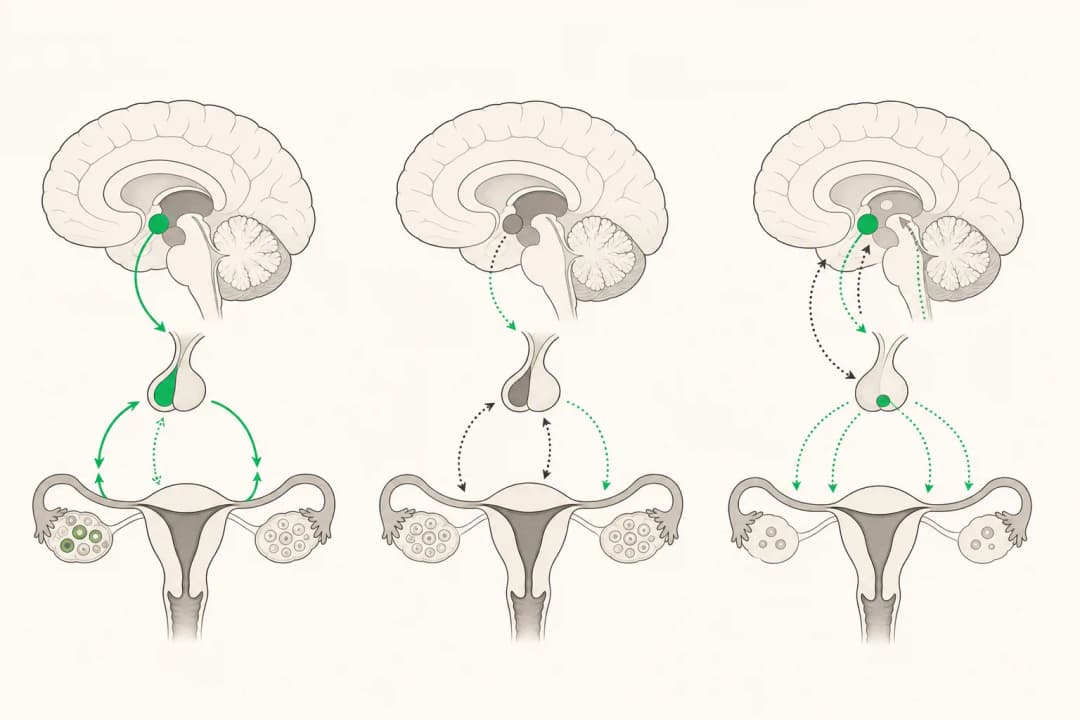
Postnatal depression can involve persistent sadness, emptiness, irritability, guilt, worry, loss of interest, low energy, difficulty concentrating or feeling disconnected from your baby. Sleep can be difficult even when the baby is settled, while appetite and confidence may change. Some people also notice Low Mood After Birth or a reduced interest in sex, sometimes described as Low Sex Drive.
These symptoms can begin during pregnancy or after birth and may look different from person to person. Feeling overwhelmed does not mean you are a bad parent. Depression is a health condition, and its severity can change; a clinician can help distinguish it from short-lived emotional changes after birth and from anxiety or other conditions.
What to do now
Tell someone you trust what has been happening and contact your GP, midwife, obstetrician or mental-health service. Describe your mood, sleep, thoughts, appetite, functioning and any frightening experiences. Accept practical help with meals, rest, feeding or childcare where possible, and keep small routines that support food, hydration and contact with other people.
Perinatal Mental Health Support may include talking therapy, practical support, medication, or a combination. A clinician can discuss breastfeeding, side effects and your preferences before treatment starts. You do not need to wait until symptoms become severe to ask for help.
When to seek care
Seek urgent help if you think you might harm yourself or your baby, cannot care safely, feel detached from reality, hear or see things others do not, or have rapidly changing, unusually elevated or confused thoughts. Stay with a trusted adult and contact emergency services or the nearest emergency department. If symptoms are persistent, worsening or interfering with daily care, arrange prompt clinical assessment.
Questions for your doctor
Ask whether your symptoms fit postnatal depression, anxiety, the baby blues or another condition, and what support is available locally. Discuss therapy, medication and feeding considerations, how follow-up will work, and which warning signs should prompt urgent help. Take someone with you if explaining everything feels difficult.
Find care
General Clinics & Polyclinics in Abu Dhabi
That answer is general. If you want it applied to your own case, these are licensed general clinics & polyclinics listed in Abu Dhabi.
27 Ar Ruwwad St - Shakhbout City - MSH4 - Abu Dhabi - United Arab Emirates
Accepts: Daman, Thiqa, Cigna, MetLife +20 more
Al Ruwais, Al Dhafrah
Accepts: Daman, Thiqa, AXA, Cigna +16 more
Al Bahyah - Al Bahyah Old - Abu Dhabi - United Arab Emirates
Accepts: Daman, Thiqa, Cigna, Allianz Care +18 more
Abu Dhabi
Accepts: Daman, Thiqa, AXA, Cigna +27 more
Ordered by verification status and how complete each clinic's public record is, then alphabetically. This is a directory listing, not a ranking — Zavis does not rate or recommend providers.
A factual listing drawn from the DHA, DOH and MOHAP licence registers. It is not a referral, an endorsement, or advice that any of these providers is right for you.
Questions people ask
Is mild postnatal depression the same as the baby blues?
No. The baby blues are usually brief and settle, while postnatal depression is more persistent, distressing or disruptive and deserves professional support.
Can postnatal depression improve with treatment?
Many people improve with appropriate support, which may include talking therapy, practical help, medication or a combination chosen with a clinician.
Related
Related reading
Keep reading
Medical disclaimer. This page is general health information, not medical advice, and it cannot diagnose you. Always consult a licensed healthcare provider about your own symptoms and treatment. In an emergency in the UAE, call 998 for an ambulance.