
Melanoma lymph node removal: what to expect
Short answer
Melanoma lymph node removal may be used to diagnose or treat cancer in regional nodes, with the decision based on examination, biopsy and staging results.
This answers one question. It is not a diagnosis and does not replace an assessment by a licensed doctor.
At a glance
- Purpose
- Diagnosis, staging or treatment of melanoma in regional nodes.
- Common regions
- Neck, armpit and groin, depending on drainage from the skin site.
- Recovery focus
- Wound care, movement and monitoring for lymph drainage problems.
Why lymph nodes matter
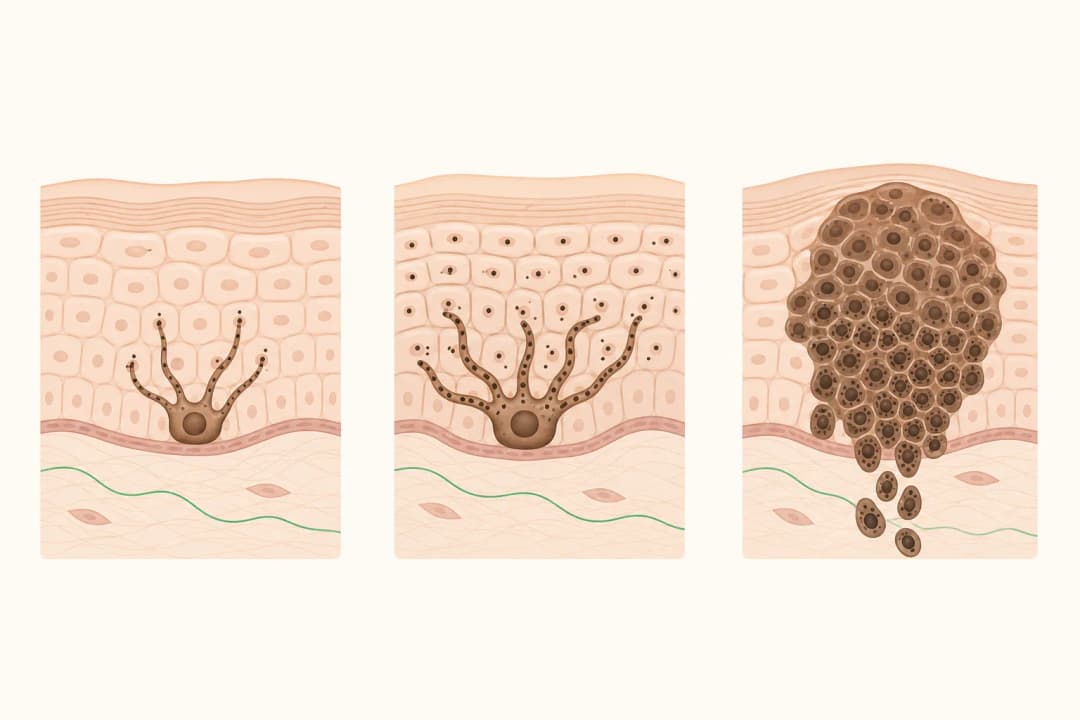
Lymph nodes filter fluid from nearby tissues. Melanoma cells can travel through lymph channels to nodes, but an enlarged node can also result from infection or inflammation. A sentinel lymph node biopsy samples the first node or nodes receiving drainage from a skin tumour and helps clarify spread. A larger operation may remove a group of regional nodes when cancer is confirmed or strongly suspected there. Your surgeon will explain which basin is involved, such as the neck, armpit or groin.
Preparing and recovering
Before surgery, discuss medicines that affect bleeding, wound care, activity limits and whether a drain will be used. Afterward, keep the incision clean as instructed and watch for increasing redness, fluid, fever or wound separation. Swelling or a heavy feeling in the operated limb can occur when lymph drainage is altered; early advice from the surgical team or a lymphoedema specialist can help. The pathology report is used with scans and the original tumour findings to plan further care, which may include immunotherapy or surveillance.
When to seek care
Contact the surgical team promptly for worsening pain, spreading redness, pus, fever, persistent bleeding, a suddenly swollen limb or difficulty moving the nearby joint. Emergency care is appropriate for breathlessness, chest pain, fainting or sudden neurological symptoms. Do not wait for a routine appointment if these develop.
Questions to bring
Ask whether the planned procedure is a sentinel biopsy or removal of a wider node group, what the pathology could change, how the incision will be closed, and when normal movement can resume. Ask about drain care, swelling prevention, scar support, warning signs and the timing of follow-up after cancer treatment.
Find care
General Clinics & Polyclinics in Abu Dhabi
That answer is general. If you want it applied to your own case, these are licensed general clinics & polyclinics listed in Abu Dhabi.
27 Ar Ruwwad St - Shakhbout City - MSH4 - Abu Dhabi - United Arab Emirates
Accepts: Daman, Thiqa, Cigna, MetLife +20 more
Al Ruwais, Al Dhafrah
Accepts: Daman, Thiqa, AXA, Cigna +16 more
Al Bahyah - Al Bahyah Old - Abu Dhabi - United Arab Emirates
Accepts: Daman, Thiqa, Cigna, Allianz Care +18 more
Abu Dhabi
Accepts: Daman, Thiqa, AXA, Cigna +27 more
Ordered by verification status and how complete each clinic's public record is, then alphabetically. This is a directory listing, not a ranking — Zavis does not rate or recommend providers.
A factual listing drawn from the DHA, DOH and MOHAP licence registers. It is not a referral, an endorsement, or advice that any of these providers is right for you.
Questions people ask
Is lymph-node removal the same as a sentinel biopsy?
No. A sentinel biopsy samples the first draining node or nodes; a larger dissection removes a regional group when indicated.
Can swelling happen after surgery?
Yes. Altered lymph drainage can cause swelling or heaviness, so report changes early and follow the rehabilitation plan.
Related
Related reading
Keep reading
Medical disclaimer. This page is general health information, not medical advice, and it cannot diagnose you. Always consult a licensed healthcare provider about your own symptoms and treatment. In an emergency in the UAE, call 998 for an ambulance.