
What should you know about manual massage therapy?
Short answer
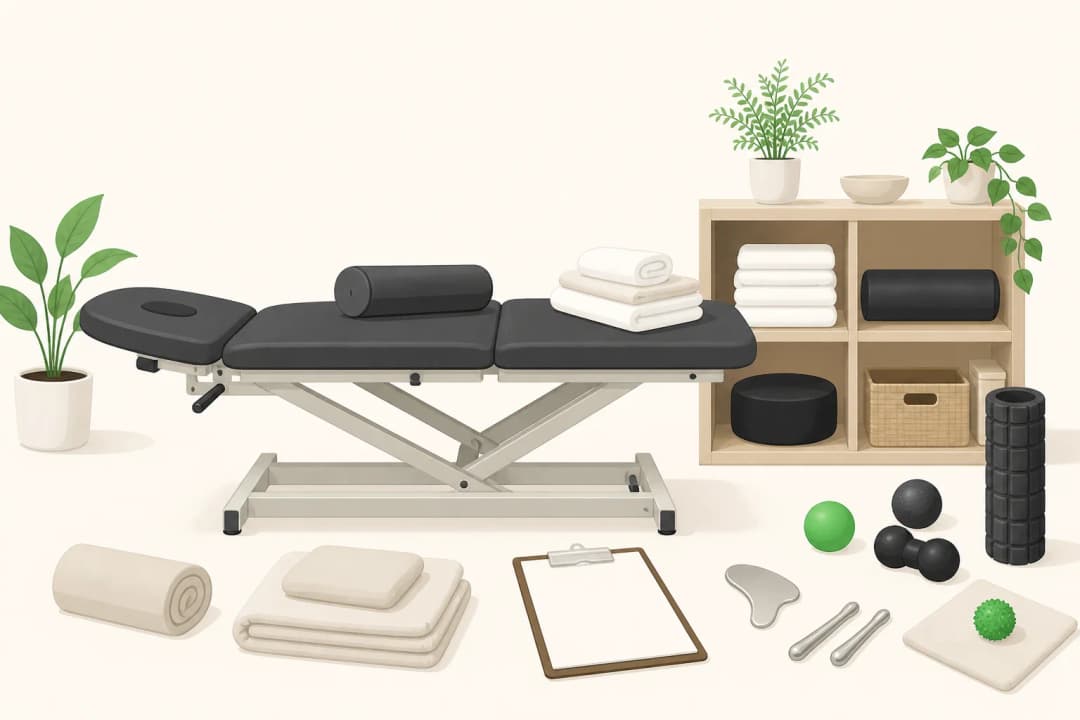
Manual massage therapy uses hands-on pressure and movement to ease selected soft-tissue discomfort while supporting a wider plan for mobility and function.
This answers one question. It is not a diagnosis and does not replace an assessment by a licensed doctor.
At a glance
- Targets
- Soft tissues and muscle comfort
- Pressure
- Should be adjusted to your response
- Works best with
- Movement and self-management
How therapeutic massage works
A therapist uses techniques such as gliding strokes, kneading, compression, or focused work around tense tissues. Pressure should be adjusted to your comfort and medical situation. The immediate aim may be easier movement, reduced muscle guarding, or a more comfortable start to exercise. Massage may be included in care for myofascial pain syndrome, cervical spondylosis, sacroiliac joint dysfunction, or whiplash after assessment. It does not confirm a diagnosis or repair every source of pain.
Preparing for a session
Tell the therapist about pain location, recent injuries, surgery, skin problems, numbness, pregnancy, blood-thinning medicine, and conditions affecting bones or circulation. Agree on pressure and a stop signal. Drink normally, move gently afterwards, and follow the exercise or pacing advice provided. Avoid massage over an open wound, active infection, unexplained swelling, or an area that has lost sensation unless a clinician has advised it.
Symptoms that need attention
Seek urgent help for new weakness, loss of bladder or bowel control, numbness around the groin, severe pain after injury, fainting, or breathing difficulty. Contact a clinician if you develop increasing swelling, marked bruising, fever, spreading redness, or pain that continues to worsen after massage.
Questions worth asking
Ask whether massage fits your diagnosis, which area and pressure are appropriate, what changes should follow treatment, and which active exercises will help maintain progress. Clarify when another assessment is needed.
Find care
General Clinics & Polyclinics in Abu Dhabi
That answer is general. If you want it applied to your own case, these are licensed general clinics & polyclinics listed in Abu Dhabi.
27 Ar Ruwwad St - Shakhbout City - MSH4 - Abu Dhabi - United Arab Emirates
Accepts: Daman, Thiqa, Cigna, MetLife +20 more
Al Ruwais, Al Dhafrah
Accepts: Daman, Thiqa, AXA, Cigna +16 more
Al Bahyah - Al Bahyah Old - Abu Dhabi - United Arab Emirates
Accepts: Daman, Thiqa, Cigna, Allianz Care +18 more
Abu Dhabi
Accepts: Daman, Thiqa, AXA, Cigna +27 more
Ordered by verification status and how complete each clinic's public record is, then alphabetically. This is a directory listing, not a ranking — Zavis does not rate or recommend providers.
A factual listing drawn from the DHA, DOH and MOHAP licence registers. It is not a referral, an endorsement, or advice that any of these providers is right for you.
Questions people ask
Should massage hurt to be effective?
No. Firm pressure may feel intense, but sharp pain, burning, numbness, or escalating symptoms are reasons to stop and reassess.
Can massage replace an examination?
No. Persistent or unexplained pain needs an assessment so treatment matches the cause and important warning signs are not missed.
Related
Related reading
Keep reading
Medical disclaimer. This page is general health information, not medical advice, and it cannot diagnose you. Always consult a licensed healthcare provider about your own symptoms and treatment. In an emergency in the UAE, call 998 for an ambulance.