
What should you know about manual and manipulative therapy?
Short answer
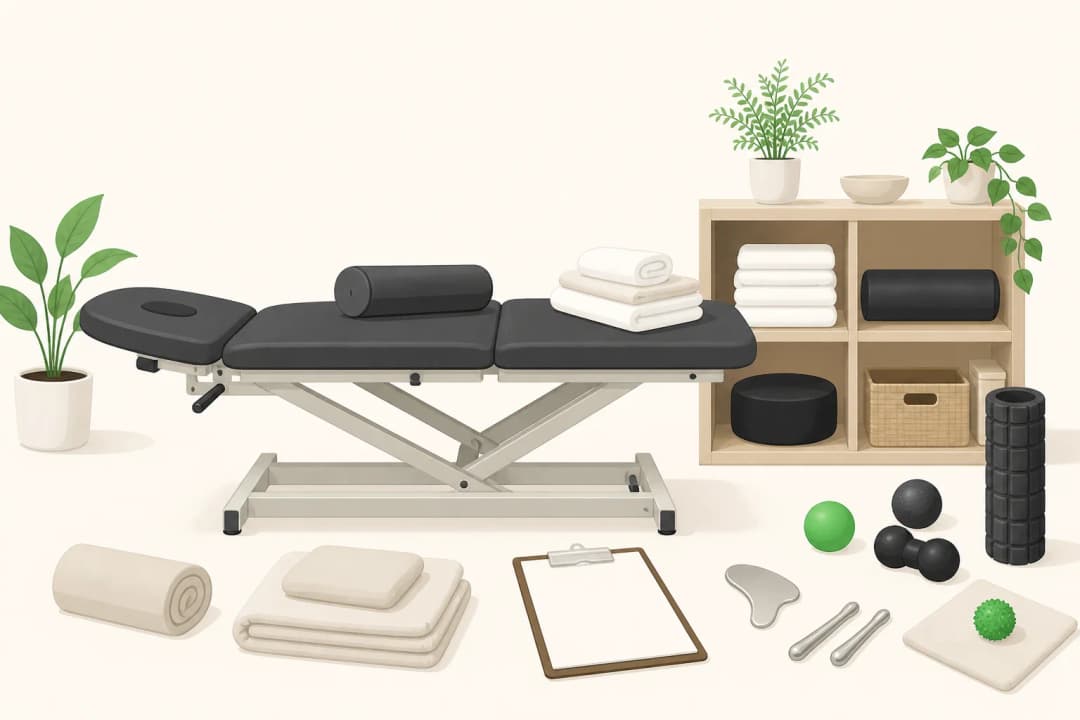
Manual and manipulative therapy combines hands-on assessment and treatment with exercise to improve movement and help manage selected musculoskeletal symptoms.
This answers one question. It is not a diagnosis and does not replace an assessment by a licensed doctor.
At a glance
- Includes
- Assessment and hands-on techniques
- Main aim
- Improve useful movement and comfort
- Important partner
- Active exercise and pacing
The two approaches
Manual therapy can include massage, gentle joint movements, soft-tissue techniques, and assisted stretching. Manipulation is a more specific, quick joint movement delivered after a safety assessment. Both approaches are intended to support a functional goal, such as making walking, turning, or exercise easier. They may be used for concerns including cervical spondylosis, myofascial pain syndrome, sacroiliac joint dysfunction, or whiplash when the assessment supports them. A technique should be adapted if it increases symptoms or does not improve useful activity.
Making treatment useful
Share your diagnosis, injury history, operations, medicines, bone health, and any numbness or dizziness before treatment. Agree on a measurable activity goal with the therapist. Wear comfortable clothing and give feedback during each technique. Continue the home exercises and pacing plan, because hands-on treatment alone does not build lasting strength or coordination. A review is sensible if progress stalls or the treatment goal changes.
Warning signs
Seek urgent care for new limb weakness, loss of bladder or bowel control, numbness around the groin, severe pain after an injury, fainting, or breathing difficulty. Contact the therapist or a doctor for increasing swelling, persistent pins and needles, worsening neck pain, or symptoms that do not settle after treatment.
Useful questions
Ask which technique is being proposed, what it is expected to change, what alternatives exist, and how improvement will be monitored. Ask what symptoms should make you stop and seek review.
Find care
General Clinics & Polyclinics in Abu Dhabi
That answer is general. If you want it applied to your own case, these are licensed general clinics & polyclinics listed in Abu Dhabi.
27 Ar Ruwwad St - Shakhbout City - MSH4 - Abu Dhabi - United Arab Emirates
Accepts: Daman, Thiqa, Cigna, MetLife +20 more
Al Ruwais, Al Dhafrah
Accepts: Daman, Thiqa, AXA, Cigna +16 more
Al Bahyah - Al Bahyah Old - Abu Dhabi - United Arab Emirates
Accepts: Daman, Thiqa, Cigna, Allianz Care +18 more
Abu Dhabi
Accepts: Daman, Thiqa, AXA, Cigna +27 more
Ordered by verification status and how complete each clinic's public record is, then alphabetically. This is a directory listing, not a ranking — Zavis does not rate or recommend providers.
A factual listing drawn from the DHA, DOH and MOHAP licence registers. It is not a referral, an endorsement, or advice that any of these providers is right for you.
Questions people ask
Are manual therapy and manipulation the same?
No. Manual therapy is a broad group of hands-on methods; manipulation is one specific type of joint technique.
Can hands-on treatment cure the cause of pain?
It may help symptoms and movement for selected problems, but the plan should also address strength, mobility, habits, and the underlying diagnosis.
Related
Related reading
Keep reading
Medical disclaimer. This page is general health information, not medical advice, and it cannot diagnose you. Always consult a licensed healthcare provider about your own symptoms and treatment. In an emergency in the UAE, call 998 for an ambulance.