
Living with hyperthyroidism
Short answer
Living with hyperthyroidism means taking prescribed treatment, attending blood-test reviews, and managing heat, sleep and heart-related symptoms.
This answers one question. It is not a diagnosis and does not replace an assessment by a licensed doctor.
At a glance
- Monitor
- Heart rate symptoms, sleep, sweating and bowel changes
- Take care
- Use prescribed treatment and attend blood-test reviews
- Avoid triggers
- Check supplements and stimulants before using them
How an overactive thyroid affects you
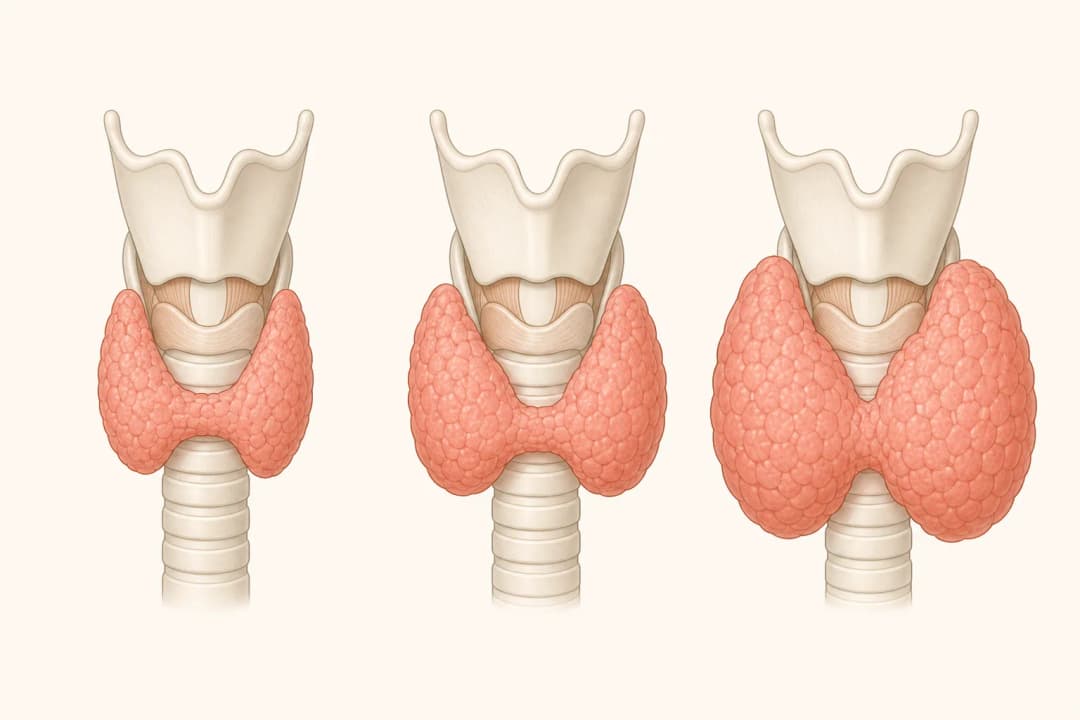
Hyperthyroidism occurs when the thyroid produces more hormone than the body needs. Feeling anxious, excessive sweating, heat intolerance, difficulty sleeping, diarrhoea, night sweats and palpitations can occur. Symptoms may overlap with other conditions, and their intensity does not by itself show the hormone level.
Treatment may reduce thyroid hormone production or its effects on the heart. Blood tests help the clinician adjust treatment, while eye symptoms, menstrual changes, bone health and pregnancy plans may affect decisions.
Make daily life easier
Take thyroid medicine exactly as directed and attend scheduled blood tests, even when you feel better. Keep a record of palpitations, sleep, bowel changes, sweating and weight change to share at review. Check before taking iodine-containing products, supplements or a new medicine.
Stay cool, drink regularly, choose lighter activity while symptoms are active and protect sleep with a consistent routine. Limit stimulants if they worsen palpitations or anxiety. Tell your clinician promptly if you are pregnant, planning pregnancy or breastfeeding.
When to seek care
Contact your clinician if palpitations persist, diarrhoea causes dehydration, sweating and heat intolerance interfere with daily life, or symptoms return after treatment. Seek emergency help for a very fast or irregular heartbeat with chest pain, fainting, severe breathlessness, high fever or sudden confusion.
Questions for your doctor
Ask which blood tests you need, how to take your medicine around other products, what symptoms suggest too much or too little thyroid hormone, and which warning signs require urgent help. Discuss pregnancy and exercise plans.
Find care
General Clinics & Polyclinics in Abu Dhabi
That answer is general. If you want it applied to your own case, these are licensed general clinics & polyclinics listed in Abu Dhabi.
27 Ar Ruwwad St - Shakhbout City - MSH4 - Abu Dhabi - United Arab Emirates
Accepts: Daman, Thiqa, Cigna, MetLife +20 more
Al Ruwais, Al Dhafrah
Accepts: Daman, Thiqa, AXA, Cigna +16 more
Al Bahyah - Al Bahyah Old - Abu Dhabi - United Arab Emirates
Accepts: Daman, Thiqa, Cigna, Allianz Care +18 more
Abu Dhabi
Accepts: Daman, Thiqa, AXA, Cigna +27 more
Ordered by verification status and how complete each clinic's public record is, then alphabetically. This is a directory listing, not a ranking — Zavis does not rate or recommend providers.
A factual listing drawn from the DHA, DOH and MOHAP licence registers. It is not a referral, an endorsement, or advice that any of these providers is right for you.
Questions people ask
Can I stop treatment when symptoms improve?
No. Feeling better does not confirm that thyroid hormone levels are controlled; discuss any change with your clinician.
Why are blood tests needed?
They show how your thyroid hormone levels respond and help guide safe treatment adjustments.
Related
Related reading
Keep reading
Medical disclaimer. This page is general health information, not medical advice, and it cannot diagnose you. Always consult a licensed healthcare provider about your own symptoms and treatment. In an emergency in the UAE, call 998 for an ambulance.