
What should you know about LED phototherapy for jaundice?
Short answer
LED phototherapy can help lower bilirubin in selected cases of jaundice, but the cause and severity need medical assessment.
This answers one question. It is not a diagnosis and does not replace an assessment by a licensed doctor.
At a glance
- Treatment target
- Bilirubin in the blood
- Key protection
- Cover the eyes as instructed
- Monitoring
- Repeat clinical review and bilirubin checks
How LED phototherapy works
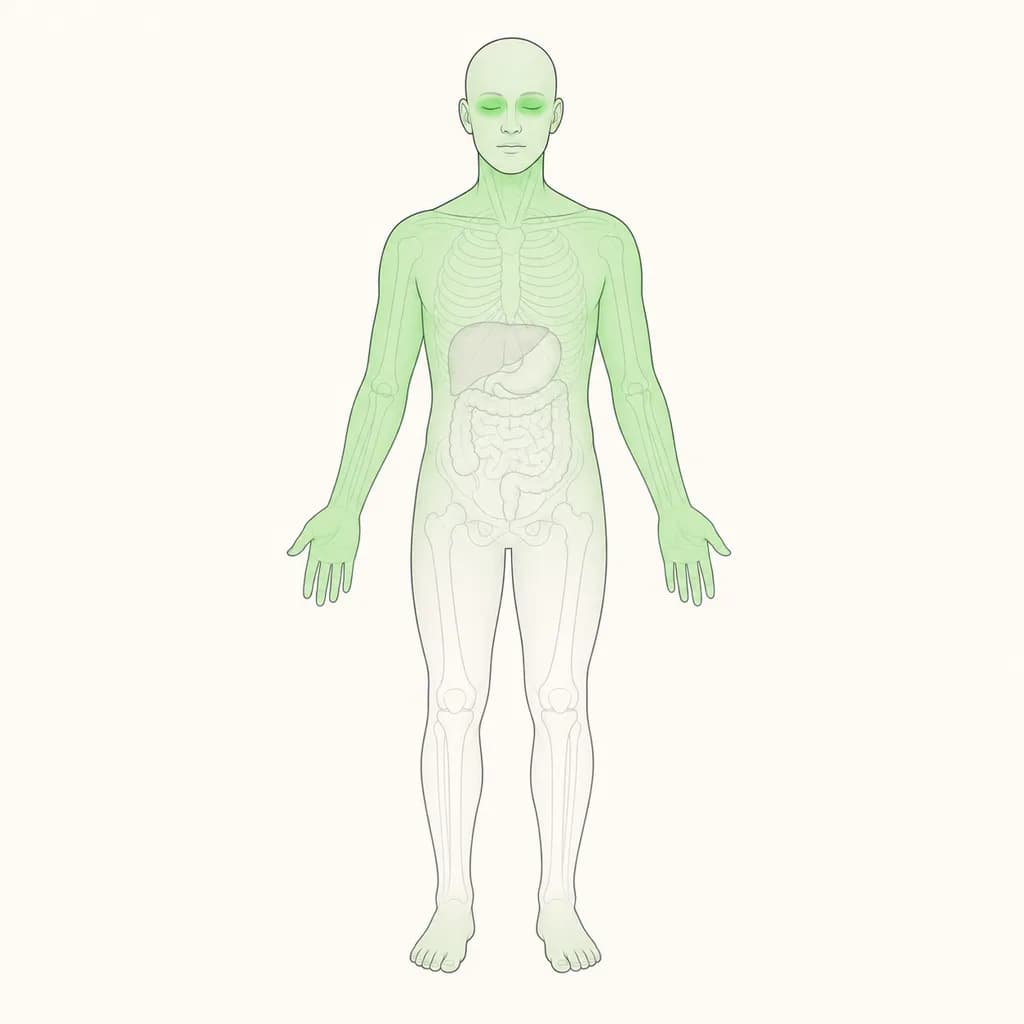
Jaundice causes yellowing when bilirubin builds up in the blood. LED units produce blue light that changes bilirubin in the skin into forms the body can remove more easily through urine and stool. Treatment is usually given with much of the skin exposed while the eyes are protected. The duration and intensity depend on the bilirubin result, age, cause and overall health.
Phototherapy treats bilirubin levels; it does not explain why they rose. Possible causes include newborn bilirubin changes, liver inflammation such as Hepatitis A, Hepatitis B or Hepatitis C, blocked bile flow from Gallstones, and other liver or blood conditions.
What to do next
Do not start a home LED device without a clinician’s plan. A healthcare professional may check the skin and eyes, order bilirubin and liver blood tests, and review medicines, feeding, hydration and stool or urine changes. During prescribed treatment, follow eye-protection and positioning instructions, keep review appointments, and report poor feeding, vomiting or unusual sleepiness. Ask how bilirubin will be rechecked after the light is stopped.
When to seek care
Seek urgent medical advice for jaundice with confusion, marked drowsiness, severe abdominal pain, fever, repeated vomiting, bleeding, very pale stools or dark urine. In a newborn, urgent assessment is needed if yellowing appears in the first day, spreads quickly, or occurs with difficulty feeding, a weak cry, limpness or unusual movements.
Questions for your doctor
Ask what caused the jaundice, what bilirubin level is being treated, how long LED therapy may be needed, and which symptoms should prompt immediate help. Clarify whether feeding, fluids or another treatment needs adjustment.
Find care
General Clinics & Polyclinics in Abu Dhabi
That answer is general. If you want it applied to your own case, these are licensed general clinics & polyclinics listed in Abu Dhabi.
27 Ar Ruwwad St - Shakhbout City - MSH4 - Abu Dhabi - United Arab Emirates
Accepts: Daman, Thiqa, Cigna, MetLife +20 more
Al Ruwais, Al Dhafrah
Accepts: Daman, Thiqa, AXA, Cigna +16 more
Al Bahyah - Al Bahyah Old - Abu Dhabi - United Arab Emirates
Accepts: Daman, Thiqa, Cigna, Allianz Care +18 more
Abu Dhabi
Accepts: Daman, Thiqa, AXA, Cigna +27 more
Ordered by verification status and how complete each clinic's public record is, then alphabetically. This is a directory listing, not a ranking — Zavis does not rate or recommend providers.
A factual listing drawn from the DHA, DOH and MOHAP licence registers. It is not a referral, an endorsement, or advice that any of these providers is right for you.
Questions people ask
Is LED phototherapy suitable for every person with jaundice?
No. It is used when a clinician considers the bilirubin level, age, cause and health status together.
Can phototherapy replace tests for jaundice?
No. Light may lower bilirubin, while tests and examination help identify the underlying cause.
Related
Related reading
Keep reading
Medical disclaimer. This page is general health information, not medical advice, and it cannot diagnose you. Always consult a licensed healthcare provider about your own symptoms and treatment. In an emergency in the UAE, call 998 for an ambulance.