
Is type 2 diabetes safe in older adults?
Short answer
Type 2 diabetes can be managed safely in older adults when blood glucose goals and medicines are tailored to health, independence and daily needs.
This answers one question. It is not a diagnosis and does not replace an assessment by a licensed doctor.
At a glance
- Personalise
- Goals should reflect health, independence and frailty
- Watch for
- Confusion, sweating or shakiness from low glucose
- Review
- Medicines, kidney function, feet and vision
What this means
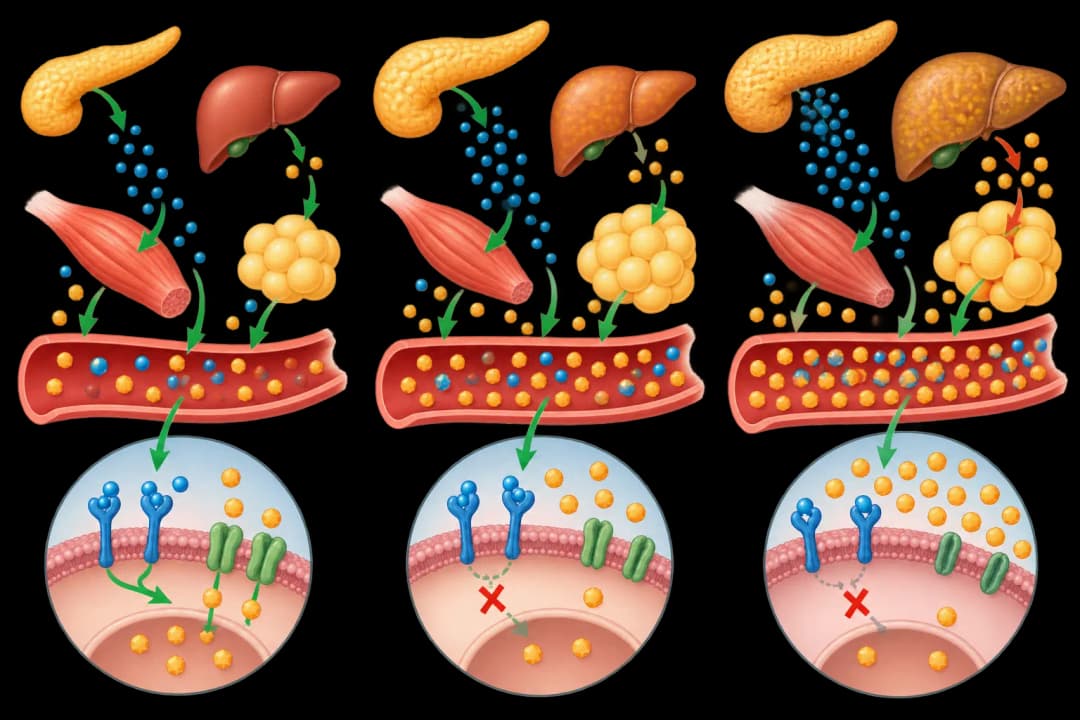
Type 2 diabetes affects how the body uses insulin and can gradually raise blood glucose. In later life, the effects of treatment may be influenced by kidney function, appetite, memory, eyesight, mobility and other medicines. A plan that suits one older adult may not suit another.
Low blood glucose can cause sweating, shakiness, hunger, dizziness, confusion or unusual behaviour. High blood glucose may cause thirst, frequent urination, tiredness or blurred vision. Some older adults may notice few symptoms, so scheduled checks and attention from family or carers can help identify changes early.
Practical safety steps
Keep a current list of medicines and attend reviews that check glucose, kidney function, blood pressure, feet and vision. Ask whether each medicine remains appropriate if meals are missed, weight changes or illness occurs. Store medicines safely, use reminders if helpful and make sure a trusted person knows how to recognise low glucose and what action has been agreed.
Regular meals, suitable activity, hydration and foot care support day-to-day management. Do not stop diabetes medicine suddenly without medical advice. During vomiting, diarrhoea, fever or poor intake, contact the care team promptly because the plan may need temporary adjustment.
When to seek care
Seek urgent help for severe confusion, fainting, a seizure, inability to swallow, extreme drowsiness, chest pain or trouble breathing. Contact the diabetes team promptly for repeated low readings, persistent vomiting, dehydration, a foot wound, new vision change or glucose readings that remain outside the agreed range.
Questions for your doctor
What glucose range is appropriate for my health and daily routine? Which symptoms suggest low glucose? Should medicines change during illness or missed meals? How often should my kidneys, feet and eyes be checked?
Find care
General Clinics & Polyclinics in Abu Dhabi
That answer is general. If you want it applied to your own case, these are licensed general clinics & polyclinics listed in Abu Dhabi.
27 Ar Ruwwad St - Shakhbout City - MSH4 - Abu Dhabi - United Arab Emirates
Accepts: Daman, Thiqa, Cigna, MetLife +20 more
Al Ruwais, Al Dhafrah
Accepts: Daman, Thiqa, AXA, Cigna +16 more
Al Bahyah - Al Bahyah Old - Abu Dhabi - United Arab Emirates
Accepts: Daman, Thiqa, Cigna, Allianz Care +18 more
Abu Dhabi
Accepts: Daman, Thiqa, AXA, Cigna +27 more
Ordered by verification status and how complete each clinic's public record is, then alphabetically. This is a directory listing, not a ranking — Zavis does not rate or recommend providers.
A factual listing drawn from the DHA, DOH and MOHAP licence registers. It is not a referral, an endorsement, or advice that any of these providers is right for you.
Questions people ask
Should an older adult with type 2 diabetes use the same goals as everyone else?
Not always. Goals should account for other conditions, frailty, independence, treatment burden and the person's preferences.
What should happen if meals are missed?
Ask the diabetes team in advance how each medicine should be handled, because some treatments can cause low glucose when food intake falls.
Related
Related reading
Keep reading
Medical disclaimer. This page is general health information, not medical advice, and it cannot diagnose you. Always consult a licensed healthcare provider about your own symptoms and treatment. In an emergency in the UAE, call 998 for an ambulance.