
Is trigger finger safe in people with diabetes?
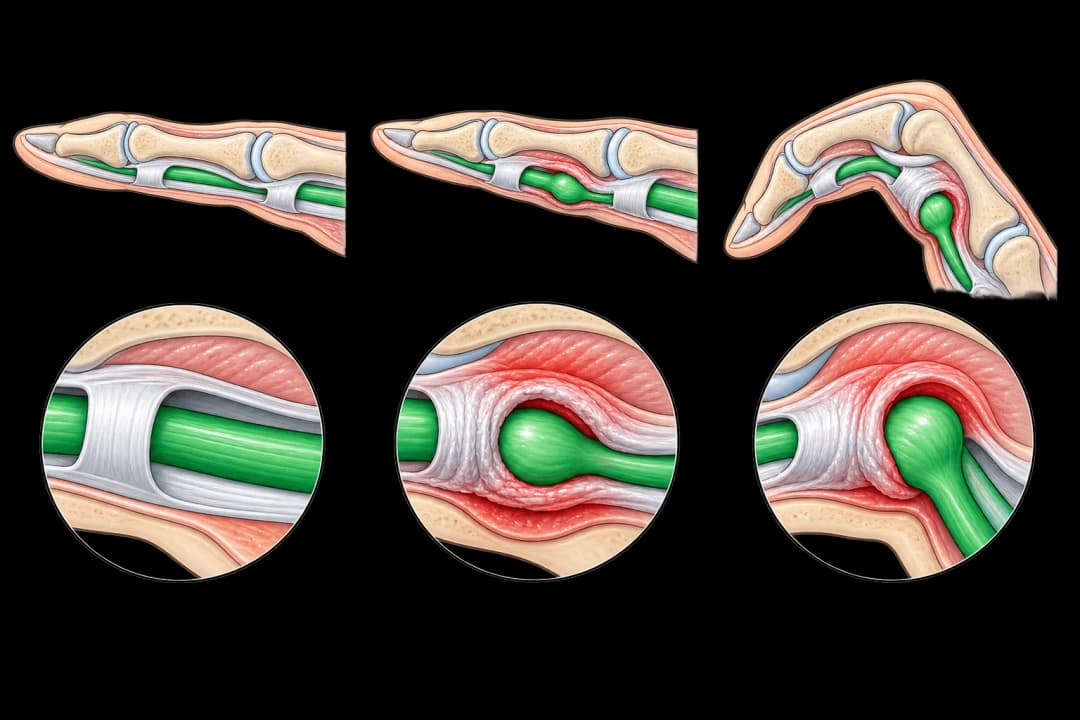
Short answer
Trigger finger can be treated in people with diabetes, but the clinician should consider glucose control, infection risk, skin health, medicines and healing before choosing treatment.
This answers one question. It is not a diagnosis and does not replace an assessment by a licensed doctor.
At a glance
- Tell every clinician
- Share your diabetes medicines, sensation changes, skin concerns and healing history.
- Protect the hand
- Avoid forceful gripping and monitor any treatment site for changes.
Why diabetes changes planning
Diabetes can affect sensation, skin condition, infection risk and the way tissues heal. It may also influence how the body responds to some medicines. These factors do not automatically prevent treatment, but they make an accurate health history and an individual plan especially useful.
The clinician may discuss activity changes, a splint, exercises, an injection or a procedure depending on the finger’s locking, pain and movement. Tell the team about your glucose medicines, recent readings if requested, numbness, previous hand infections and any wound-healing difficulty.
Preparing for care
Keep your diabetes care team informed if a procedure or injection is being considered, especially if your medicines or glucose levels may need a temporary plan. Inspect the hand for cuts, blisters or irritated skin and report them before treatment. Follow instructions for wound care, hand movement and medicines rather than changing them independently.
Avoid forceful gripping while the finger is painful or catching. Gentle, prescribed movement is usually more useful than repeatedly snapping the finger straight. Bring a list of medicines and allergies to every appointment.
Signs that need attention
Contact a clinician promptly for increasing finger swelling, warmth, redness, drainage, fever or rapidly worsening pain. Seek urgent care if redness spreads, the finger becomes severely swollen, movement suddenly deteriorates, or you feel very unwell. After treatment, report a wound that is not improving or any unexpected change in sensation.
Questions to ask
Ask how your diabetes affects the proposed treatment, whether glucose medicines need coordination, what skin or infection checks are needed, which symptoms suggest delayed healing, and how soon the finger should be reviewed. Clarify what hand exercises are safe while catching continues.
Find care
General Clinics & Polyclinics in Abu Dhabi
That answer is general. If you want it applied to your own case, these are licensed general clinics & polyclinics listed in Abu Dhabi.
27 Ar Ruwwad St - Shakhbout City - MSH4 - Abu Dhabi - United Arab Emirates
Accepts: Daman, Thiqa, Cigna, MetLife +20 more
Al Ruwais, Al Dhafrah
Accepts: Daman, Thiqa, AXA, Cigna +16 more
Al Bahyah - Al Bahyah Old - Abu Dhabi - United Arab Emirates
Accepts: Daman, Thiqa, Cigna, Allianz Care +18 more
Abu Dhabi
Accepts: Daman, Thiqa, AXA, Cigna +27 more
Ordered by verification status and how complete each clinic's public record is, then alphabetically. This is a directory listing, not a ranking — Zavis does not rate or recommend providers.
A factual listing drawn from the DHA, DOH and MOHAP licence registers. It is not a referral, an endorsement, or advice that any of these providers is right for you.
Questions people ask
Does diabetes mean trigger finger cannot be treated?
No. Treatment can be considered, while the clinician accounts for glucose management, sensation, infection risk and healing.
Can an injection affect diabetes care?
Some injections may affect glucose levels, so ask the treating clinician and diabetes team how to monitor and manage you afterward.
Related
Related reading
Keep reading
Medical disclaimer. This page is general health information, not medical advice, and it cannot diagnose you. Always consult a licensed healthcare provider about your own symptoms and treatment. In an emergency in the UAE, call 998 for an ambulance.