
Is hip fracture safe in older adults?
Short answer
A hip fracture is a serious injury in an older adult, but prompt treatment, medical review and rehabilitation can support safer recovery.
This answers one question. It is not a diagnosis and does not replace an assessment by a licensed doctor.
At a glance
- Priority
- Prompt assessment after a suspected fracture
- Recovery
- Pain control, movement practice and rehabilitation
- Prevention
- Review falls risks and bone health
Why a fracture needs attention
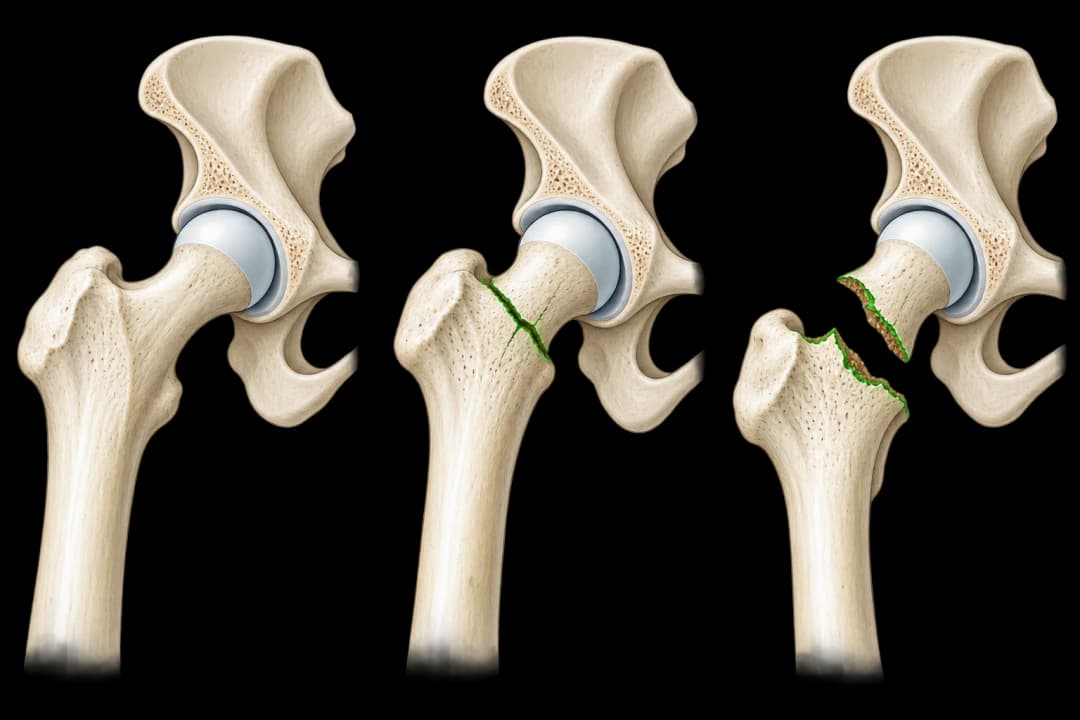
A broken hip can cause severe pain, inability to stand, and loss of independence. Staying in bed can also worsen stiffness, weakness, constipation, pressure injury and breathing problems. Doctors consider the fracture pattern, general health, medicines, cognition and ability to move when planning care. Some people need an operation to stabilise or replace part of the joint, while others need a different approach. Recovery commonly includes pain control, safe transfers, walking practice and support with daily activities.
What to do now
Treat a suspected hip fracture as urgent: keep the person still and comfortable, avoid trying to straighten the leg or make them walk, and arrange emergency medical assessment. Bring a list of medicines and known health conditions. After treatment, follow weight-bearing instructions, use walking aids correctly, attend rehabilitation, and review nutrition, vision, footwear and home hazards with the care team.
Warning signs
Call emergency services for a fall followed by severe hip or groin pain, inability to stand, a shortened or turned-out leg, or new confusion. During recovery, seek urgent help for chest pain, difficulty breathing, fainting, sudden weakness, uncontrolled pain, a hot or draining wound, or a newly swollen calf.
Questions for your doctor
What type of fracture is present? Is surgery recommended, and what are the alternatives? When can weight-bearing and rehabilitation start, and how will medicines or existing conditions affect the plan?
Find care
General Clinics & Polyclinics in Abu Dhabi
That answer is general. If you want it applied to your own case, these are licensed general clinics & polyclinics listed in Abu Dhabi.
27 Ar Ruwwad St - Shakhbout City - MSH4 - Abu Dhabi - United Arab Emirates
Accepts: Daman, Thiqa, Cigna, MetLife +20 more
Al Ruwais, Al Dhafrah
Accepts: Daman, Thiqa, AXA, Cigna +16 more
Al Bahyah - Al Bahyah Old - Abu Dhabi - United Arab Emirates
Accepts: Daman, Thiqa, Cigna, Allianz Care +18 more
Abu Dhabi
Accepts: Daman, Thiqa, AXA, Cigna +27 more
Ordered by verification status and how complete each clinic's public record is, then alphabetically. This is a directory listing, not a ranking — Zavis does not rate or recommend providers.
A factual listing drawn from the DHA, DOH and MOHAP licence registers. It is not a referral, an endorsement, or advice that any of these providers is right for you.
Questions people ask
Can an older adult recover after a hip fracture?
Many older adults work toward recovery with coordinated treatment, rehabilitation and support, although the pace and level of independence vary.
Should someone with a suspected hip fracture walk to the hospital?
No. Keep the person still and seek emergency medical help rather than attempting to walk or move the injured leg unnecessarily.
Related
Related reading
Keep reading
Medical disclaimer. This page is general health information, not medical advice, and it cannot diagnose you. Always consult a licensed healthcare provider about your own symptoms and treatment. In an emergency in the UAE, call 998 for an ambulance.