
Irregular periods on Nexplanon: what to know
Short answer
Irregular bleeding on Nexplanon is a recognised effect of the implant, but heavy, painful, or unexpected bleeding still deserves clinical assessment.
This answers one question. It is not a diagnosis and does not replace an assessment by a licensed doctor.
At a glance
- Possible patterns
- Spotting, unpredictable bleeding, longer episodes, or no bleeding
- Track
- Flow, pain, discharge, fever, and implant concerns
Why Nexplanon changes bleeding
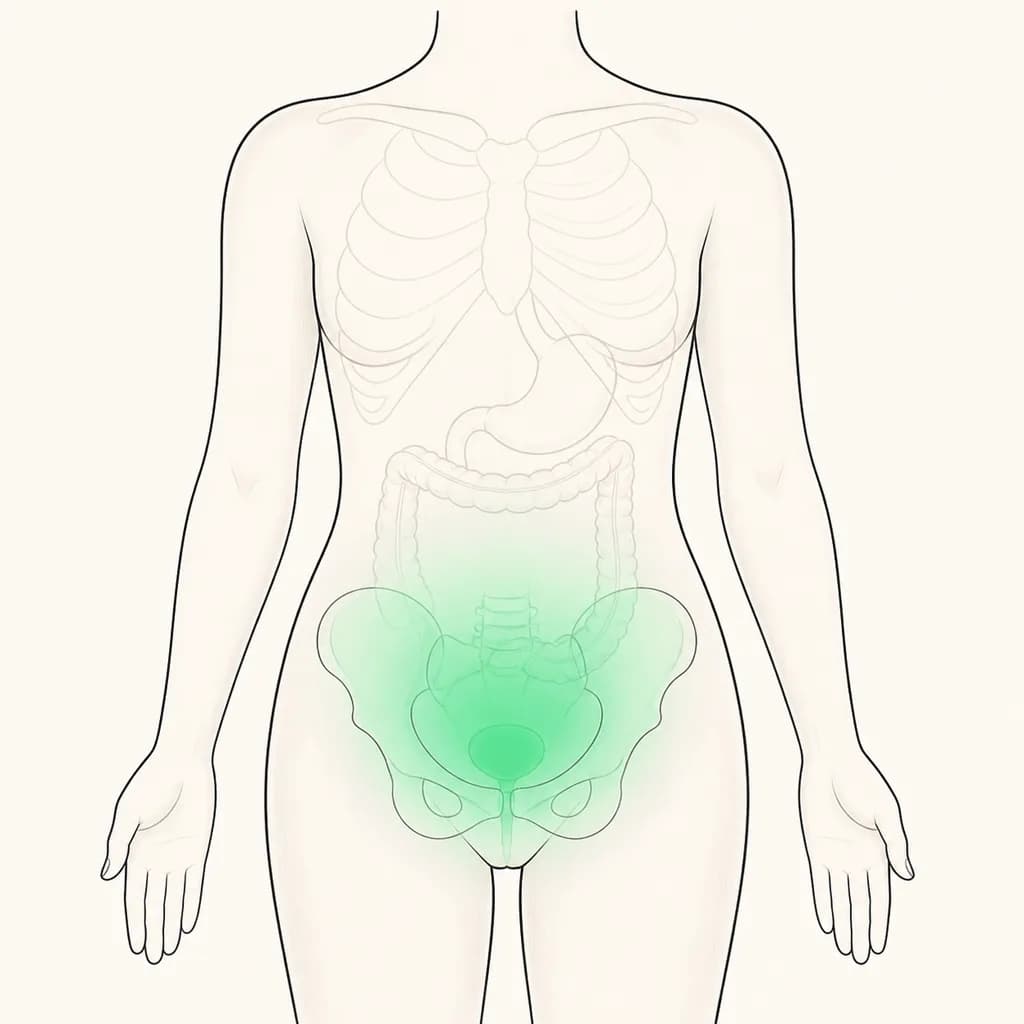
Nexplanon releases a progestogen that prevents ovulation and changes the lining of the womb. As a result, some people have spotting, bleeding at unpredictable times, longer episodes, lighter bleeding, or no bleeding. This pattern can change after insertion and may not follow a predictable calendar. The implant does not explain every symptom: pregnancy, infection, thyroid problems, and conditions such as Polycystic Ovary Syndrome may also cause irregular bleeding.
Managing the pattern
Track bleeding, pain, discharge, fever, medicines, and the date the implant was inserted. Check that the implant remains in place as instructed and contact the prescribing clinic if you cannot feel it or have concerns about insertion. A clinician can check for pregnancy or other causes and discuss treatment for troublesome bleeding. Do not remove the implant or start medicines on your own. The Combined Pill may be considered for some people after a safety review; it is not suitable for everyone.
When to seek care
Seek urgent help for severe or one-sided pelvic pain, fainting, rapidly heavy bleeding, fever with pelvic pain, or possible pregnancy with pain or bleeding. Arrange a review if bleeding is persistent, increasingly heavy, painful, or accompanied by unusual discharge. If the implant is not where expected, use advice from the clinic about contraception while it is checked. Irregular bleeding on Nexplanon does not by itself indicate Polycystic Ovary Syndrome or another condition.
Questions for your doctor
Ask whether your pattern fits the implant, whether pregnancy or infection testing is needed, which short-term treatments are safe with your medical history, and when removal or a different contraceptive should be considered.
Find care
General Clinics & Polyclinics in Abu Dhabi
That answer is general. If you want it applied to your own case, these are licensed general clinics & polyclinics listed in Abu Dhabi.
27 Ar Ruwwad St - Shakhbout City - MSH4 - Abu Dhabi - United Arab Emirates
Accepts: Daman, Thiqa, Cigna, MetLife +20 more
Al Ruwais, Al Dhafrah
Accepts: Daman, Thiqa, AXA, Cigna +16 more
Al Bahyah - Al Bahyah Old - Abu Dhabi - United Arab Emirates
Accepts: Daman, Thiqa, Cigna, Allianz Care +18 more
Abu Dhabi
Accepts: Daman, Thiqa, AXA, Cigna +27 more
Ordered by verification status and how complete each clinic's public record is, then alphabetically. This is a directory listing, not a ranking — Zavis does not rate or recommend providers.
A factual listing drawn from the DHA, DOH and MOHAP licence registers. It is not a referral, an endorsement, or advice that any of these providers is right for you.
Questions people ask
Does Nexplanon always stop periods?
No. It can cause spotting, unpredictable bleeding, longer episodes, lighter bleeding, or no bleeding.
Should I remove Nexplanon because of irregular bleeding?
Discuss persistent or troublesome bleeding with the prescribing clinician before deciding on treatment or removal.
Related
Related reading
Keep reading
Medical disclaimer. This page is general health information, not medical advice, and it cannot diagnose you. Always consult a licensed healthcare provider about your own symptoms and treatment. In an emergency in the UAE, call 998 for an ambulance.