
Irregular periods after miscarriage
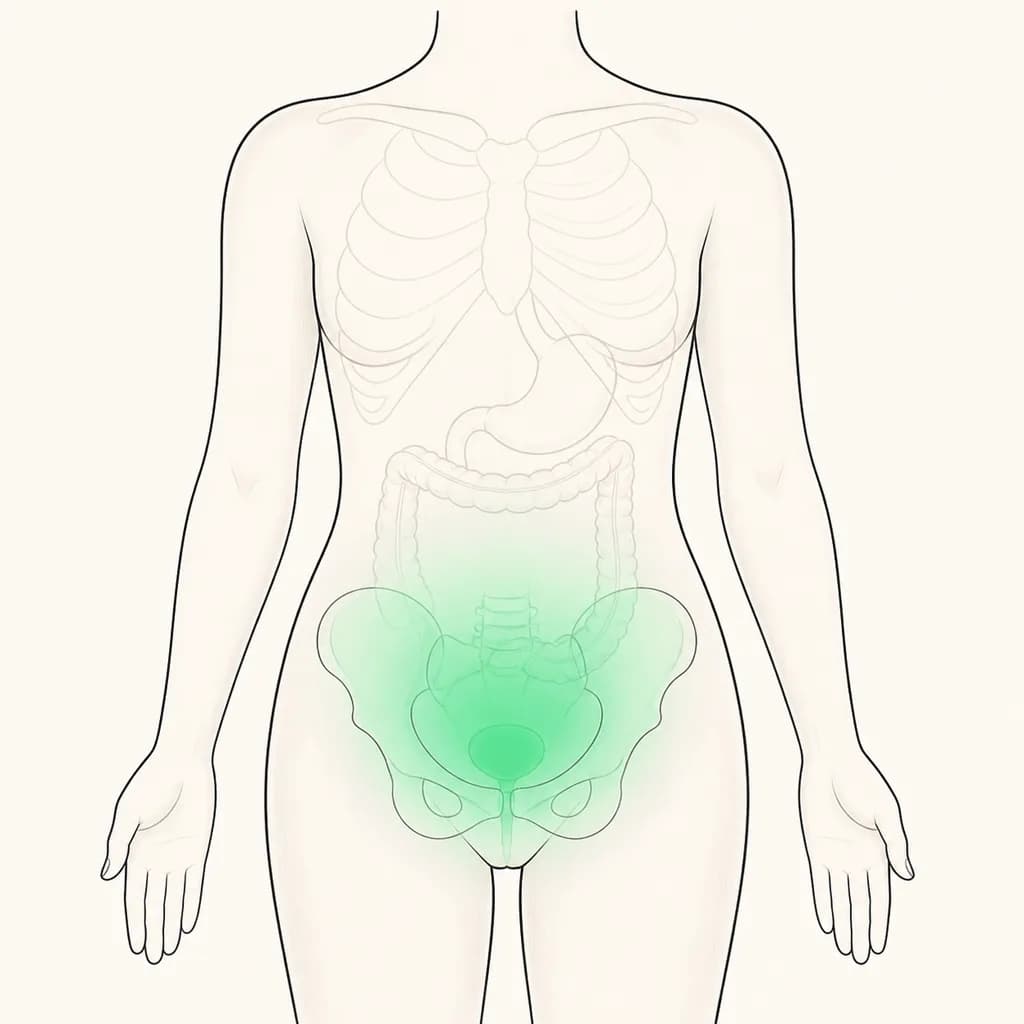
Short answer
Irregular periods after miscarriage can occur while pregnancy hormones and ovulation settle, but persistent bleeding, pain, infection symptoms, or a new pregnancy need medical assessment.
This answers one question. It is not a diagnosis and does not replace an assessment by a licensed doctor.
At a glance
- Hormones
- Pregnancy hormones can temporarily affect ovulation.
- Fertility
- Ovulation may precede the next period.
- Urgent signs
- Heavy bleeding, severe pain, fever, or foul discharge need prompt help.
What may happen afterward
A miscarriage can temporarily disrupt the hormone signals that control ovulation. The next bleed may not resemble a usual period, and the following cycles may vary in timing or flow. Ovulation can happen before the next period, so pregnancy is possible sooner than expected.
Anovulation, retained pregnancy tissue, infection, thyroid disease, or polycystic ovary syndrome may also be considered when bleeding remains abnormal or symptoms persist. A changing period does not reveal the cause on its own, and online discussions cannot replace an assessment tailored to your symptoms.
How to prepare for review
Record the miscarriage date, whether treatment or a procedure was used, bleeding and pain since then, pregnancy tests, temperature symptoms, and the date of any new unprotected sex. Arrange a review if bleeding does not settle, periods remain unpredictable, or you want advice before trying to conceive again.
A clinician may check pregnancy hormone levels, examine you, or arrange an ultrasound when symptoms suggest it. Tell them about blood loss, medicines, allergies, and emotional wellbeing. Treatment depends on the findings and your reproductive plans.
Red flags after miscarriage
Get urgent help for heavy bleeding, faintness, severe or one-sided pain, fever, chills, or bad-smelling discharge. Seek prompt advice for a positive pregnancy test with pain or bleeding, or for bleeding that becomes heavier instead of easing.
Questions worth asking
Ask whether your recovery pattern is expected, whether pregnancy testing or an ultrasound is needed, and when it is medically reasonable to try for pregnancy again. Ask which pain, bleeding, or fever symptoms should prompt same-day care.
Find care
General Clinics & Polyclinics in Abu Dhabi
That answer is general. If you want it applied to your own case, these are licensed general clinics & polyclinics listed in Abu Dhabi.
27 Ar Ruwwad St - Shakhbout City - MSH4 - Abu Dhabi - United Arab Emirates
Accepts: Daman, Thiqa, Cigna, MetLife +20 more
Al Ruwais, Al Dhafrah
Accepts: Daman, Thiqa, AXA, Cigna +16 more
Al Bahyah - Al Bahyah Old - Abu Dhabi - United Arab Emirates
Accepts: Daman, Thiqa, Cigna, Allianz Care +18 more
Abu Dhabi
Accepts: Daman, Thiqa, AXA, Cigna +27 more
Ordered by verification status and how complete each clinic's public record is, then alphabetically. This is a directory listing, not a ranking — Zavis does not rate or recommend providers.
A factual listing drawn from the DHA, DOH and MOHAP licence registers. It is not a referral, an endorsement, or advice that any of these providers is right for you.
Questions people ask
Can periods be irregular after a miscarriage?
Yes. Ovulation and hormone signals may take time to settle, so early cycles can differ from your previous pattern.
Can I be pregnant again before my period returns?
Yes. Ovulation can occur before a period, so ask a clinician about contraception or timing if needed.
Related
Related reading
Keep reading
Medical disclaimer. This page is general health information, not medical advice, and it cannot diagnose you. Always consult a licensed healthcare provider about your own symptoms and treatment. In an emergency in the UAE, call 998 for an ambulance.