
Irregular period on the pill: what to know
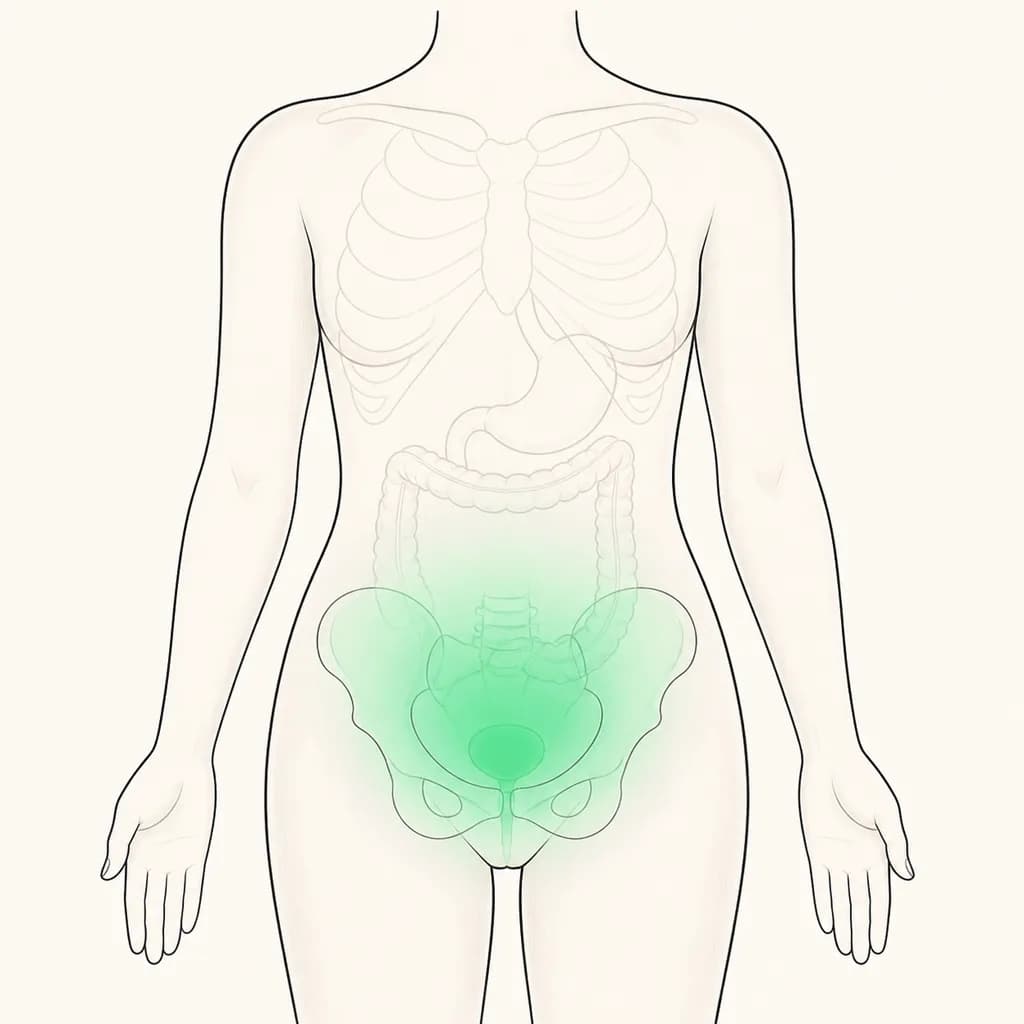
Short answer
An irregular period on the pill can result from the pill itself, missed doses, pregnancy, or another cause, so the pattern and your symptoms matter.
This answers one question. It is not a diagnosis and does not replace an assessment by a licensed doctor.
At a glance
- Track
- Tablet timing, bleeding days, pain, and other symptoms
- Check
- Pregnancy is possible after missed or poorly absorbed pills
What the bleeding may mean
Spotting or a change in withdrawal bleeding is common when starting or changing a pill, and it may settle as your body adjusts. Taking tablets late, missing tablets, vomiting, or having diarrhoea can reduce contraceptive protection depending on the situation. Some medicines can also affect how the pill works. Bleeding after sex, new pelvic pain, unusual discharge, or pregnancy symptoms deserve separate attention. Conditions such as polycystic ovary syndrome, anovulation, or perimenopause can also affect bleeding, although the pill can mask the underlying pattern.
Practical next steps
Record the days you take active tablets, any missed or late doses, spotting, pain, and other medicines. Follow the instructions for your specific pill rather than doubling doses without checking. If pregnancy is possible, take a pregnancy test and ask a pharmacist or clinician how to maintain protection. A clinician can review whether a different pill, another contraceptive method, or assessment for a condition such as PCOS is appropriate. Read more about the [Combined Pill](/treatments/contraception-and-family-planning/combined-pill/) and [Irregular Periods](/symptoms/irregular-periods/).
When to seek care
Arrange medical advice for bleeding that keeps returning, occurs after sex, or comes with pelvic pain, fever, dizziness, or marked tiredness. Seek urgent help for very heavy bleeding with faintness, severe or one-sided abdominal pain, or bleeding when pregnancy is possible. Do not stop a prescribed pill without discussing a replacement plan if pregnancy prevention is important.
Questions for your doctor
Could a missed dose, interaction, or pregnancy explain this pattern? Does my pill need changing? Should I have an examination or tests for PCOS, thyroid problems, or another cause? What should I do if the bleeding becomes heavy?
Find care
General Clinics & Polyclinics in Abu Dhabi
That answer is general. If you want it applied to your own case, these are licensed general clinics & polyclinics listed in Abu Dhabi.
27 Ar Ruwwad St - Shakhbout City - MSH4 - Abu Dhabi - United Arab Emirates
Accepts: Daman, Thiqa, Cigna, MetLife +20 more
Al Ruwais, Al Dhafrah
Accepts: Daman, Thiqa, AXA, Cigna +16 more
Al Bahyah - Al Bahyah Old - Abu Dhabi - United Arab Emirates
Accepts: Daman, Thiqa, Cigna, Allianz Care +18 more
Abu Dhabi
Accepts: Daman, Thiqa, AXA, Cigna +27 more
Ordered by verification status and how complete each clinic's public record is, then alphabetically. This is a directory listing, not a ranking — Zavis does not rate or recommend providers.
A factual listing drawn from the DHA, DOH and MOHAP licence registers. It is not a referral, an endorsement, or advice that any of these providers is right for you.
Questions people ask
Can the pill cause spotting?
Yes. Spotting can occur after starting or changing a pill, but persistent or concerning bleeding should be assessed.
Should I stop taking the pill?
Do not stop without a contraceptive plan; ask a clinician or pharmacist what to do for your specific pill.
Related
Related reading
Keep reading
Medical disclaimer. This page is general health information, not medical advice, and it cannot diagnose you. Always consult a licensed healthcare provider about your own symptoms and treatment. In an emergency in the UAE, call 998 for an ambulance.