
Irregular period after stopping the pill
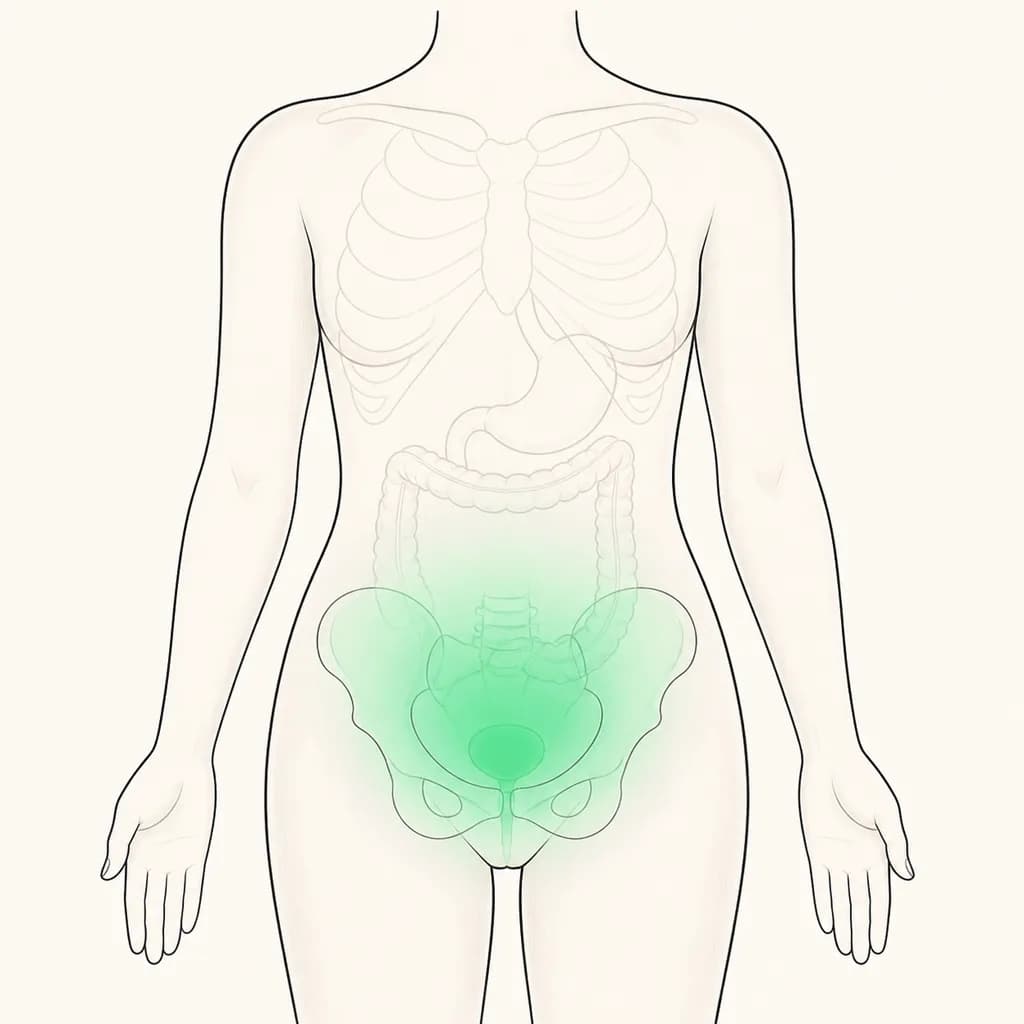
Short answer
An irregular period after stopping the pill may be the return of your underlying cycle pattern, but pregnancy or another condition can also explain it and deserves consideration.
This answers one question. It is not a diagnosis and does not replace an assessment by a licensed doctor.
At a glance
- Bleeding clue
- A pill-break bleed is not always a natural period
- Pregnancy
- Possible before the first natural period
- Seek urgent care
- For severe pain, fainting, or heavy bleeding with weakness
How the pill relates to bleeding
The bleed during a pill break is caused by the hormone schedule and is not always the same as a natural menstrual period. Once the pill is stopped, ovulation and natural hormone fluctuations guide bleeding again. Some people notice irregular timing because their pre-pill pattern returns; others have an underlying issue such as anovulation, polycystic ovary syndrome, perimenopause, or premature ovarian insufficiency. Pregnancy remains possible before a first natural period. A change in flow or timing is therefore useful information, but it cannot by itself establish a diagnosis.
Managing the transition
Keep a simple cycle record and include the last active pill, any missed pills before stopping, sexual activity, pain, and bleeding intensity. Do a pregnancy test when pregnancy is possible. If avoiding pregnancy, begin an alternative contraceptive method according to its instructions rather than waiting for a regular cycle. Make a non-urgent appointment if irregular bleeding keeps occurring, periods remain absent, or symptoms such as acne, excess hair growth, hot flushes, or pelvic pain appear. The [Combined Pill](/treatments/contraception-and-family-planning/combined-pill/) page may help you compare one contraception option.
Get help quickly when
Urgent assessment is appropriate for severe or one-sided pelvic pain, fainting, shoulder-tip pain, or heavy bleeding accompanied by dizziness or weakness. Contact a clinician promptly if a pregnancy test is positive and there is pain or bleeding, or if fever and pelvic tenderness develop. These signs need assessment for pregnancy complications, infection, or another urgent cause rather than being assumed to be a pill-related adjustment.
Questions to bring
Ask whether your pre-pill cycle history changes the interpretation, when to test for pregnancy, and what contraception you can start now. If the cycle remains irregular, ask whether anovulation or polycystic ovary syndrome should be investigated and whether treatment is needed for your symptoms or reproductive plans.
Find care
General Clinics & Polyclinics in Abu Dhabi
That answer is general. If you want it applied to your own case, these are licensed general clinics & polyclinics listed in Abu Dhabi.
27 Ar Ruwwad St - Shakhbout City - MSH4 - Abu Dhabi - United Arab Emirates
Accepts: Daman, Thiqa, Cigna, MetLife +20 more
Al Ruwais, Al Dhafrah
Accepts: Daman, Thiqa, AXA, Cigna +16 more
Al Bahyah - Al Bahyah Old - Abu Dhabi - United Arab Emirates
Accepts: Daman, Thiqa, Cigna, Allianz Care +18 more
Abu Dhabi
Accepts: Daman, Thiqa, AXA, Cigna +27 more
Ordered by verification status and how complete each clinic's public record is, then alphabetically. This is a directory listing, not a ranking — Zavis does not rate or recommend providers.
A factual listing drawn from the DHA, DOH and MOHAP licence registers. It is not a referral, an endorsement, or advice that any of these providers is right for you.
Questions people ask
Is bleeding during a pill break a true period?
It is usually a withdrawal bleed caused by the pill schedule, so natural cycles may look different after stopping.
When should irregular bleeding after stopping the pill be checked?
Arrange review if it persists, periods remain absent, or pain, unusual discharge, or other new symptoms occur.
Related
Related reading
Keep reading
Medical disclaimer. This page is general health information, not medical advice, and it cannot diagnose you. Always consult a licensed healthcare provider about your own symptoms and treatment. In an emergency in the UAE, call 998 for an ambulance.