
Treatment options for irregular menstrual cycles
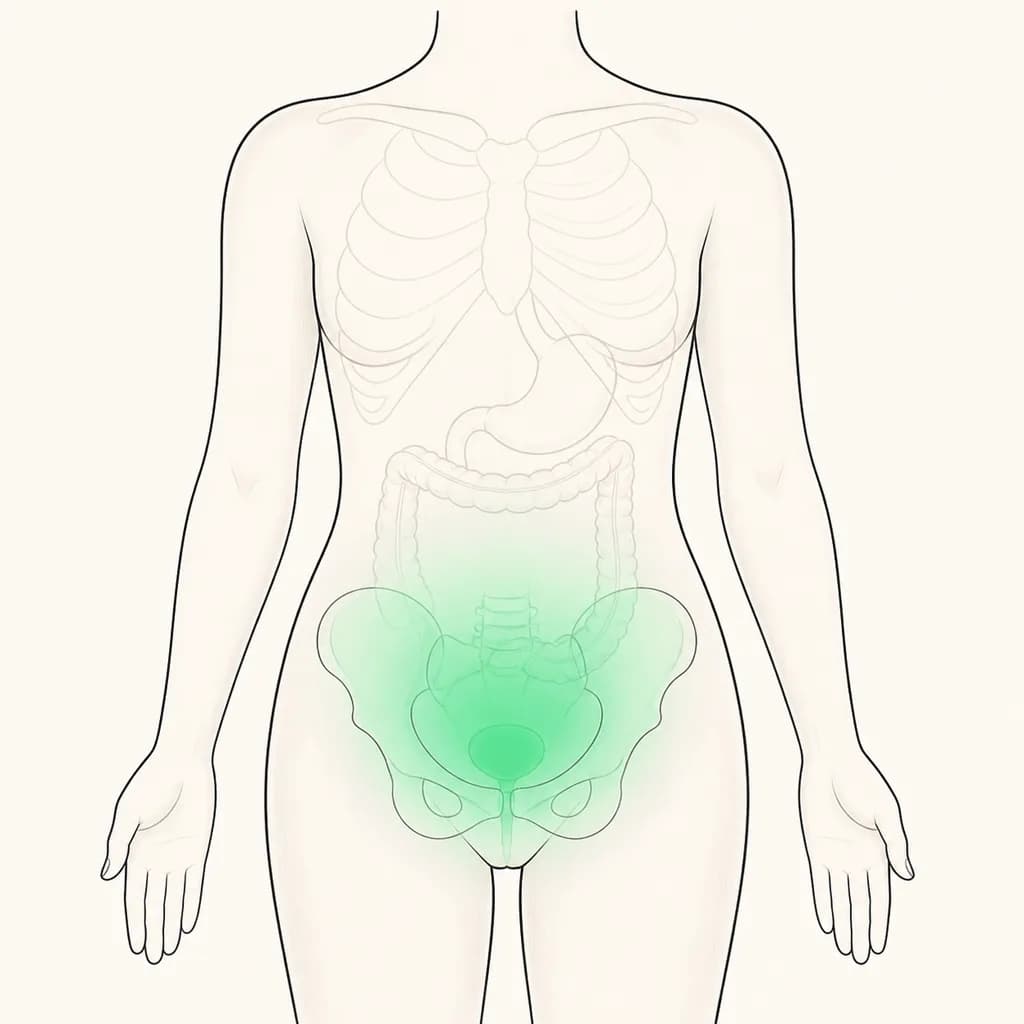
Short answer
Treatment for irregular menstrual cycles depends on the cause and your goals; options may include treating an underlying condition, regulating bleeding, protecting the womb lining, or supporting pregnancy plans.
This answers one question. It is not a diagnosis and does not replace an assessment by a licensed doctor.
At a glance
- Treatment goal
- It may be symptom control, cycle regulation, or fertility support
- Before treatment
- Review bleeding, pregnancy possibility, medicines, and health history
Why treatment is individual
Irregular bleeding is a pattern, not one diagnosis. Anovulation, Polycystic Ovary Syndrome, thyroid disorders, perimenopause, Premature Ovarian Insufficiency, pregnancy, medicines, and changes in energy or stress can each require a different approach. A clinician may ask about bleeding, pain, health conditions, contraception, medicines, and fertility plans. Assessment can include a pregnancy test and selected blood tests or imaging. The aim may be symptom relief, predictable bleeding, prevention of excessive build-up of the womb lining, or help with conception.
Possible management choices
Keep a bleeding diary and bring it to an appointment. If contraception and predictable bleeding are priorities, the Combined Pill may be considered after a safety review. When Polycystic Ovary Syndrome affects ovulation or metabolic health, Metformin for PCOS may be discussed; it is not a universal treatment for every irregular cycle. Lifestyle support can include regular meals, sustainable activity, sleep, and help with stress, tailored to your circumstances. Do not change prescribed hormones or begin supplements without clinical advice.
When to seek care
Arrange a review for ongoing irregularity, repeated missed periods, bleeding between periods, bleeding after sex, troublesome pain, or difficulty becoming pregnant. Seek urgent care for severe pelvic pain, fainting, or heavy bleeding with weakness, particularly when pregnancy is possible. Urgency is determined by these symptoms and your condition, not by the fact that cycles are irregular.
Questions for your doctor
Ask which cause is being considered, what the treatment is meant to achieve, how it affects contraception or pregnancy plans, and what side effects or follow-up should prompt a call.
Find care
General Clinics & Polyclinics in Abu Dhabi
That answer is general. If you want it applied to your own case, these are licensed general clinics & polyclinics listed in Abu Dhabi.
27 Ar Ruwwad St - Shakhbout City - MSH4 - Abu Dhabi - United Arab Emirates
Accepts: Daman, Thiqa, Cigna, MetLife +20 more
Al Ruwais, Al Dhafrah
Accepts: Daman, Thiqa, AXA, Cigna +16 more
Al Bahyah - Al Bahyah Old - Abu Dhabi - United Arab Emirates
Accepts: Daman, Thiqa, Cigna, Allianz Care +18 more
Abu Dhabi
Accepts: Daman, Thiqa, AXA, Cigna +27 more
Ordered by verification status and how complete each clinic's public record is, then alphabetically. This is a directory listing, not a ranking — Zavis does not rate or recommend providers.
A factual listing drawn from the DHA, DOH and MOHAP licence registers. It is not a referral, an endorsement, or advice that any of these providers is right for you.
Questions people ask
Is there one treatment for irregular periods?
No. Management is selected for the cause and for goals such as contraception, predictable bleeding, symptom relief, or pregnancy planning.
Can I treat irregular cycles without hormones?
Sometimes. The appropriate approach may involve treating an underlying condition, monitoring, or non-hormonal support, depending on the assessment.
Related
Related reading
Keep reading
Medical disclaimer. This page is general health information, not medical advice, and it cannot diagnose you. Always consult a licensed healthcare provider about your own symptoms and treatment. In an emergency in the UAE, call 998 for an ambulance.