
Iodine and hyperthyroidism: what to know
Short answer
Iodine can supply extra raw material for thyroid hormone production and may worsen or reveal hyperthyroidism in some people.
This answers one question. It is not a diagnosis and does not replace an assessment by a licensed doctor.
At a glance
- Thyroid role
- Iodine helps make thyroid hormones
- Possible effect
- An increase may aggravate an overactive thyroid
- Useful next step
- Review supplements, products, symptoms, and thyroid tests
How iodine affects the thyroid
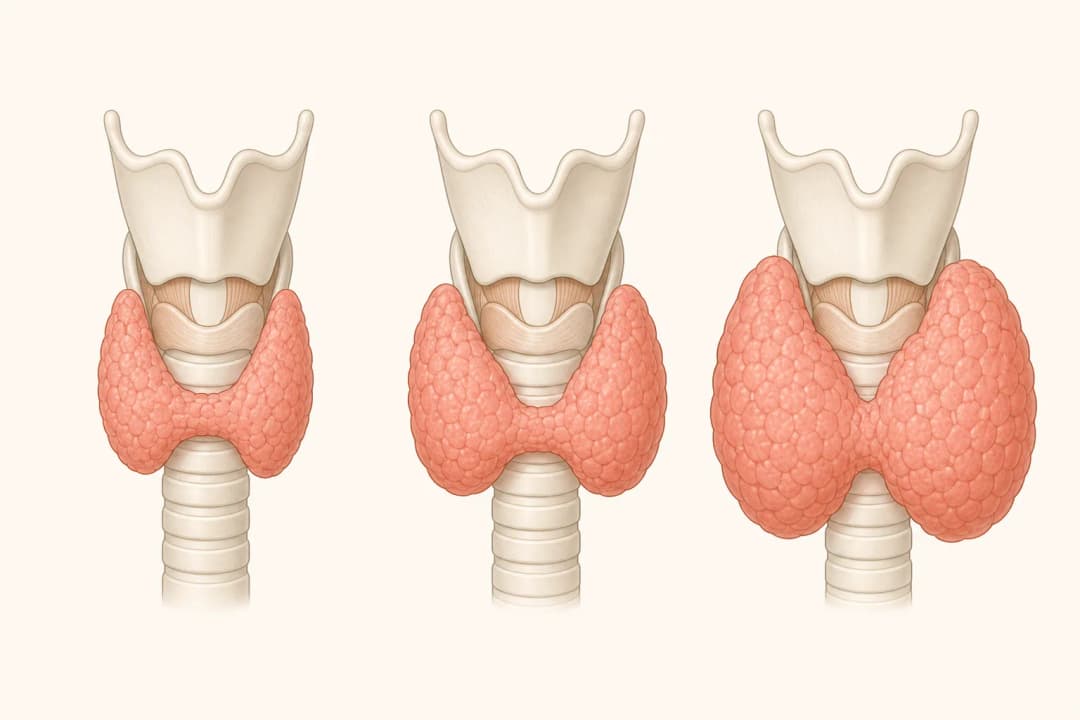
The thyroid uses iodine to make hormones that influence metabolism. A person with an overactive thyroid, thyroid nodules, or another thyroid disorder may respond differently to a sudden increase in iodine than someone with a normally regulated gland. Symptoms of hyperthyroidism can include palpitations, excessive sweating, heat intolerance, feeling anxious, difficulty sleeping, diarrhoea, or night sweats. Hyperthyroidism presents with these symptoms; the symptoms themselves do not establish the diagnosis.
What to do about iodine
Tell your clinician about iodine-containing supplements, seaweed products, medicines, antiseptics, and recent imaging. Do not start or stop a supplement or thyroid medicine without advice. A clinician may check symptoms, examine the neck and pulse, and arrange thyroid blood tests. Keep a note of when symptoms began and whether they followed a new product. Learn more about [Hyperthyroidism](/conditions/hyperthyroidism/) if you have been given that diagnosis.
When to seek care
Arrange medical review for new or worsening palpitations, persistent sweating, unexplained diarrhoea, marked anxiety, or poor sleep. Seek urgent help for chest pain, severe breathlessness, fainting, confusion, or a very fast or irregular heartbeat. People already treated for thyroid disease should contact their care team promptly when symptoms change, because treatment may need adjustment.
Questions for your doctor
Ask whether your iodine intake is relevant, which products to avoid or continue, and whether thyroid tests are needed. Ask how to recognise a concerning change and when your next review should occur.
Find care
General Clinics & Polyclinics in Abu Dhabi
That answer is general. If you want it applied to your own case, these are licensed general clinics & polyclinics listed in Abu Dhabi.
27 Ar Ruwwad St - Shakhbout City - MSH4 - Abu Dhabi - United Arab Emirates
Accepts: Daman, Thiqa, Cigna, MetLife +20 more
Al Ruwais, Al Dhafrah
Accepts: Daman, Thiqa, AXA, Cigna +16 more
Al Bahyah - Al Bahyah Old - Abu Dhabi - United Arab Emirates
Accepts: Daman, Thiqa, Cigna, Allianz Care +18 more
Abu Dhabi
Accepts: Daman, Thiqa, AXA, Cigna +27 more
Ordered by verification status and how complete each clinic's public record is, then alphabetically. This is a directory listing, not a ranking — Zavis does not rate or recommend providers.
A factual listing drawn from the DHA, DOH and MOHAP licence registers. It is not a referral, an endorsement, or advice that any of these providers is right for you.
Questions people ask
Should everyone with hyperthyroidism avoid iodine?
Not necessarily. The appropriate plan depends on the thyroid condition, amount, source, and clinical context, so ask your clinician.
Can symptoms confirm iodine-related hyperthyroidism?
No. Symptoms can prompt assessment, but thyroid examination and blood testing are needed to clarify the cause.
Related
Related reading
Keep reading
Medical disclaimer. This page is general health information, not medical advice, and it cannot diagnose you. Always consult a licensed healthcare provider about your own symptoms and treatment. In an emergency in the UAE, call 998 for an ambulance.