
Intermittent fasting and type 2 diabetes
Short answer
Intermittent fasting with type 2 diabetes needs an individual plan because missed meals can change glucose levels and medicine requirements.
This answers one question. It is not a diagnosis and does not replace an assessment by a licensed doctor.
At a glance
- Before fasting
- Review medicines, kidney function, glucose checks, and exercise
- Break the fast
- For low-glucose symptoms or illness according to your plan
- Emergency signs
- Seizure, loss of consciousness, chest pain, or stroke symptoms
How fasting affects diabetes
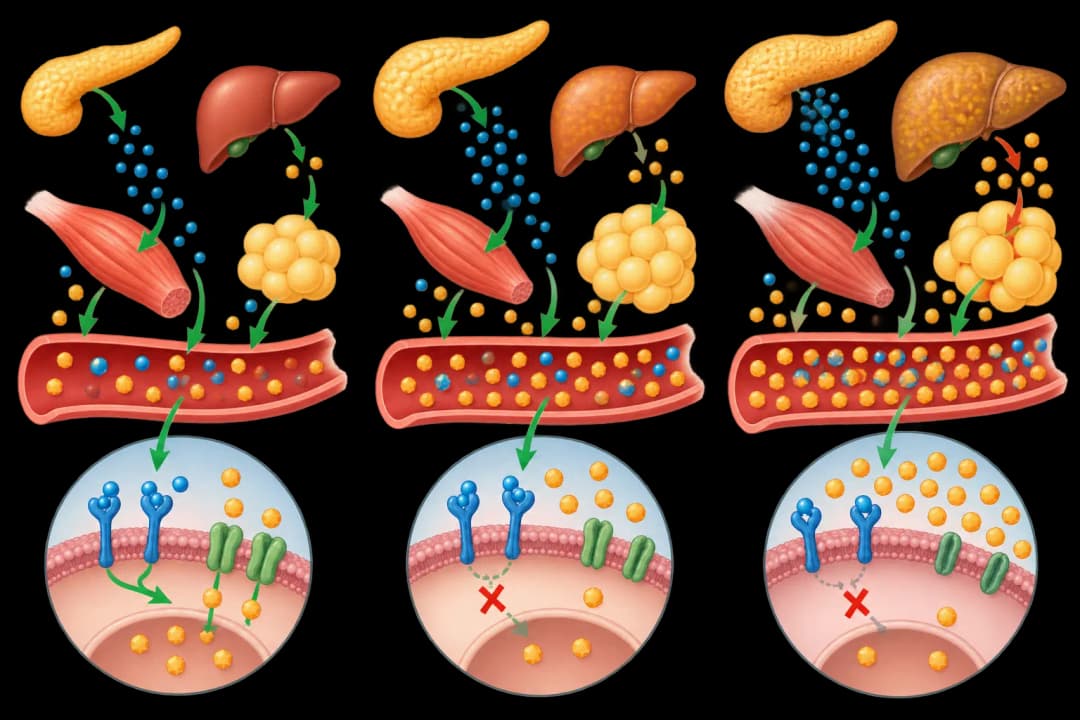
Fasting removes a usual opportunity to eat carbohydrates and take some medicines. Depending on treatment, this can lead to hypoglycaemia, while dehydration or illness can push glucose higher. The response may vary with kidney function, activity, meal composition, and the length of the fasting window. Fasting does not replace prescribed treatment. People with diabetes may also have related concerns such as chronic kidney disease, obesity, peripheral neuropathy, or peripheral arterial disease, which can change the safety discussion.
Plan before changing meals
Speak with your diabetes clinician before starting or extending a fast. Agree which medicines require adjustment, when to check glucose, what readings or symptoms mean you must break the fast, and how to manage exercise. Keep fast-acting glucose available if your clinician recommends it, and drink according to your medical advice. Do not omit or double medicines on your own. Break the fast and follow your sick-day or low-glucose plan if you feel shaky, sweaty, confused, unusually weak, or unwell.
When to seek care
Get emergency help for severe confusion, seizure, loss of consciousness, chest pain, severe breathlessness, or signs of stroke such as sudden facial weakness, arm weakness, or speech trouble. Contact your diabetes team promptly for repeated low or high readings, vomiting, inability to drink, or glucose symptoms that do not settle after following your plan.
Questions for your doctor
Is fasting appropriate with my medicines and kidney function? When should I check glucose, exercise, or break the fast? What treatment changes and warning signs should be written into my plan?
Find care
General Clinics & Polyclinics in Abu Dhabi
That answer is general. If you want it applied to your own case, these are licensed general clinics & polyclinics listed in Abu Dhabi.
27 Ar Ruwwad St - Shakhbout City - MSH4 - Abu Dhabi - United Arab Emirates
Accepts: Daman, Thiqa, Cigna, MetLife +20 more
Al Ruwais, Al Dhafrah
Accepts: Daman, Thiqa, AXA, Cigna +16 more
Al Bahyah - Al Bahyah Old - Abu Dhabi - United Arab Emirates
Accepts: Daman, Thiqa, Cigna, Allianz Care +18 more
Abu Dhabi
Accepts: Daman, Thiqa, AXA, Cigna +27 more
Ordered by verification status and how complete each clinic's public record is, then alphabetically. This is a directory listing, not a ranking — Zavis does not rate or recommend providers.
A factual listing drawn from the DHA, DOH and MOHAP licence registers. It is not a referral, an endorsement, or advice that any of these providers is right for you.
Questions people ask
Can intermittent fasting lower glucose too much?
It can, particularly when missed meals interact with insulin or other glucose-lowering medicines; a clinician should set the monitoring and adjustment plan.
Can I change diabetes medicines myself for fasting?
No. Medicine timing and doses depend on your treatment, glucose pattern, kidney function, and meals, so obtain individual advice first.
Related
Related reading
Keep reading
Medical disclaimer. This page is general health information, not medical advice, and it cannot diagnose you. Always consult a licensed healthcare provider about your own symptoms and treatment. In an emergency in the UAE, call 998 for an ambulance.