
What should you know about intense pulsed light laser?
Short answer
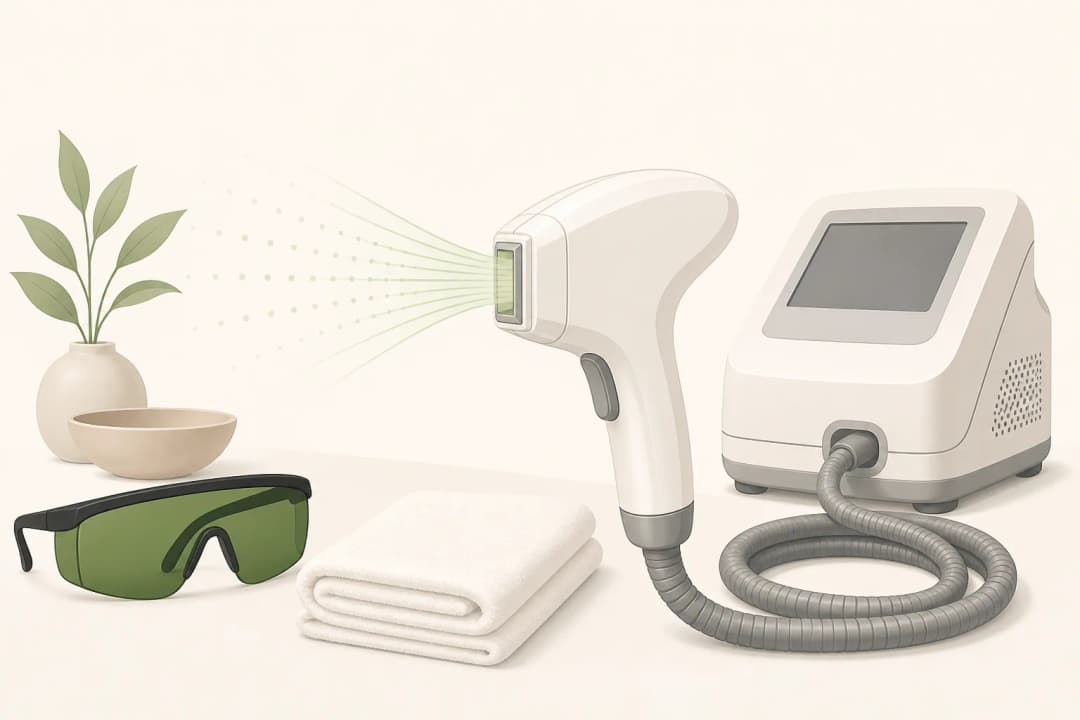
Intense pulsed light laser usually refers to IPL, a filtered broad-spectrum light treatment that targets selected pigment and superficial redness.
This answers one question. It is not a diagnosis and does not replace an assessment by a licensed doctor.
At a glance
- IPL meaning
- Broad-spectrum filtered light
- Compared with laser
- IPL uses a range of wavelengths
- Before treatment
- Discuss tanning, medicines, and skin sensitivity
IPL versus a laser
IPL is not technically a single-wavelength laser. It produces a broad band of light, and filters narrow the energy toward a chosen target. Pigment may absorb the light and become darker before gradually shedding, while selected superficial vessels may respond with reduced visible redness. The response depends on the condition, skin tone, device settings, and whether the skin has recently been exposed to the sun.
A consultation matters because brown marks can have different causes, and light treatment is not a substitute for examining a suspicious lesion. IPL may be considered for sun-damaged skin, sun spots, rosacea, or uneven tone when a clinician finds it appropriate.
Preparing for treatment
Tell the clinician about tanning, past reactions, cold sores, medicines, and skincare products. Ask whether a patch test or a pause in irritating products is appropriate. Arrive with clean skin as instructed, and do not conceal a changing mole or undiagnosed rash beneath a cosmetic treatment plan.
For aftercare, keep the area cool and clean, avoid picking at darkened pigment, and protect treated skin from sunlight. Follow the specific instructions for moisturiser, makeup, exercise, and exfoliation because the recovery plan depends on the intensity and location.
Warning signs after IPL
Call the clinic for increasing pain, spreading redness, significant swelling, pus, or blisters. Get urgent help if treatment is followed by eye pain, visual disturbance, breathing difficulty, or swelling of the lips or face.
Useful questions
Ask whether IPL or a true laser fits the target, how your skin tone changes the plan, what normal recovery looks like, and how the clinician will protect your eyes and surrounding skin.
Find care
General Clinics & Polyclinics in Abu Dhabi
That answer is general. If you want it applied to your own case, these are licensed general clinics & polyclinics listed in Abu Dhabi.
27 Ar Ruwwad St - Shakhbout City - MSH4 - Abu Dhabi - United Arab Emirates
Accepts: Daman, Thiqa, Cigna, MetLife +20 more
Al Ruwais, Al Dhafrah
Accepts: Daman, Thiqa, AXA, Cigna +16 more
Al Bahyah - Al Bahyah Old - Abu Dhabi - United Arab Emirates
Accepts: Daman, Thiqa, Cigna, Allianz Care +18 more
Abu Dhabi
Accepts: Daman, Thiqa, AXA, Cigna +27 more
Ordered by verification status and how complete each clinic's public record is, then alphabetically. This is a directory listing, not a ranking — Zavis does not rate or recommend providers.
A factual listing drawn from the DHA, DOH and MOHAP licence registers. It is not a referral, an endorsement, or advice that any of these providers is right for you.
Questions people ask
Why do people call IPL a laser?
Both use light energy, but IPL produces a broad range of wavelengths rather than one focused laser wavelength.
Will IPL remove every red or brown mark?
No. The cause and depth of a mark determine whether IPL is suitable, so assessment comes first.
Related
Related reading
Keep reading
Medical disclaimer. This page is general health information, not medical advice, and it cannot diagnose you. Always consult a licensed healthcare provider about your own symptoms and treatment. In an emergency in the UAE, call 998 for an ambulance.