
Insulin treatment for type 2 diabetes
Short answer
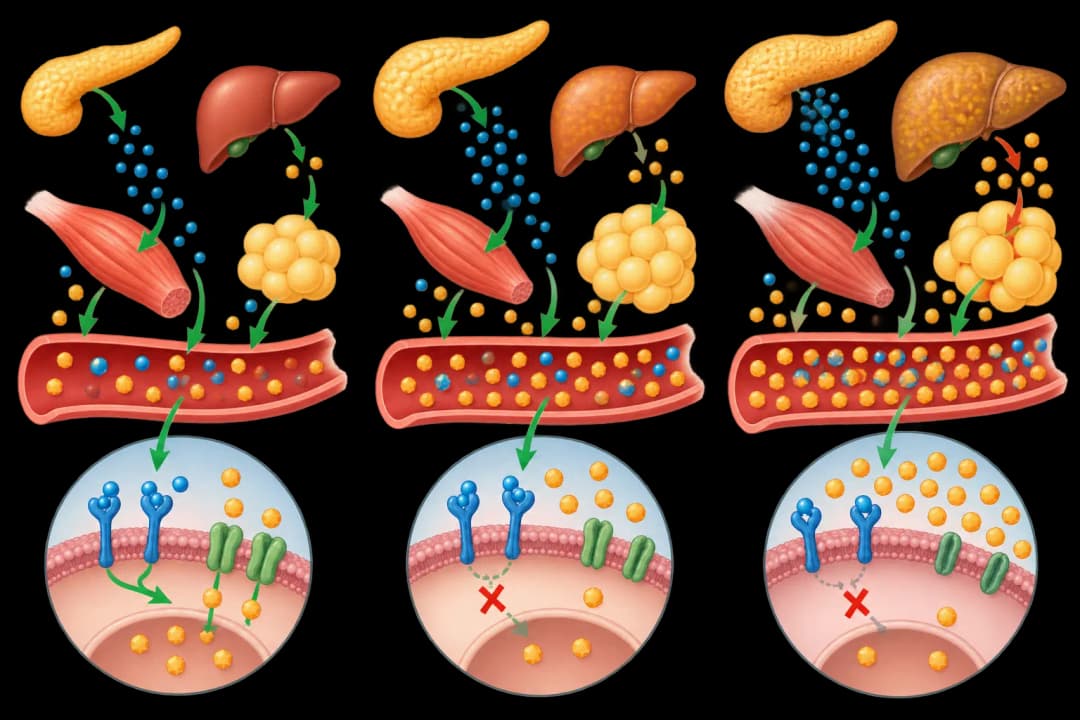
Insulin treatment supports type 2 diabetes by lowering blood glucose when the pancreas cannot provide enough insulin for the body’s needs.
This answers one question. It is not a diagnosis and does not replace an assessment by a licensed doctor.
At a glance
- What it does
- Adds insulin so glucose can move from blood into cells.
- What to monitor
- Glucose readings, injection sites and symptoms of low glucose.
- Extra attention
- Foot wounds, infection, reduced sensation and circulation changes.
Why treatment may be offered
Type 2 diabetes can become harder to control over time, even when you take tablets and follow an established routine. Insulin supplies the hormone needed to move glucose into cells. The starting plan may be temporary during an illness or around a procedure, or it may become a longer-term part of care.
The dose and timing depend on the insulin type, your readings, food pattern, activity, other medicines and kidney health. Your care team should demonstrate injection technique and explain how insulin is stored and carried.
Building a safe routine
Use the prescribed dose at the prescribed time. Check glucose as advised and write down readings that are unexpectedly high or low. Inspect injection sites, rotate them, and use a new needle as directed. Keep supplies available when away from home and dispose of used needles in a suitable sharps container.
Low glucose, or hypoglycaemia, may feel like trembling, sweating, palpitations, blurred vision, irritability or confusion. Learn the exact steps your clinician recommends for treating it, and tell them about any episode. Good follow-up also considers feet, nerves, circulation, kidneys and infection risk; cellulitis, peripheral neuropathy and peripheral arterial disease deserve prompt assessment when symptoms arise.
Warning signs
Call emergency services for collapse, a seizure, severe confusion or inability to swallow safely. Seek urgent advice for repeated low glucose, persistent vomiting, dehydration, breathing difficulty or very high readings with increasing drowsiness. A new foot wound, spreading redness, warmth or swelling also needs prompt medical review, especially if sensation is reduced.
Useful questions
Ask what your glucose target is, how to respond to a low reading, whether meals or exercise require a planned adjustment, and what to do if you miss an injection. Ask how kidney function, weight changes, infection and other medicines may affect the plan, and when your next review should occur.
Find care
General Clinics & Polyclinics in Abu Dhabi
That answer is general. If you want it applied to your own case, these are licensed general clinics & polyclinics listed in Abu Dhabi.
27 Ar Ruwwad St - Shakhbout City - MSH4 - Abu Dhabi - United Arab Emirates
Accepts: Daman, Thiqa, Cigna, MetLife +20 more
Al Ruwais, Al Dhafrah
Accepts: Daman, Thiqa, AXA, Cigna +16 more
Al Bahyah - Al Bahyah Old - Abu Dhabi - United Arab Emirates
Accepts: Daman, Thiqa, Cigna, Allianz Care +18 more
Abu Dhabi
Accepts: Daman, Thiqa, AXA, Cigna +27 more
Ordered by verification status and how complete each clinic's public record is, then alphabetically. This is a directory listing, not a ranking — Zavis does not rate or recommend providers.
A factual listing drawn from the DHA, DOH and MOHAP licence registers. It is not a referral, an endorsement, or advice that any of these providers is right for you.
Questions people ask
Does starting insulin mean I have failed?
No. Type 2 diabetes can change over time, and insulin is one way to provide the hormone your body needs.
What if insulin causes a low reading?
Follow your personalised low-glucose plan, recheck as instructed, and contact your clinician if episodes repeat or the symptoms are severe.
Related
Related reading
Keep reading
Medical disclaimer. This page is general health information, not medical advice, and it cannot diagnose you. Always consult a licensed healthcare provider about your own symptoms and treatment. In an emergency in the UAE, call 998 for an ambulance.