
What should you know about insulin for type 2 diabetes?
Short answer
Insulin for type 2 diabetes replaces or supplements the insulin your body makes to help manage blood glucose safely.
This answers one question. It is not a diagnosis and does not replace an assessment by a licensed doctor.
At a glance
- Purpose
- Helps glucose move from blood into cells
- Daily safety
- Know your dose, timing and low-glucose plan
- Follow-up
- Review readings and treatment changes with your care team
Why insulin may be prescribed
A clinician may suggest it when the pancreas is no longer producing enough insulin, when other treatments are not meeting your agreed goals, or for a temporary period during illness, pregnancy or another major health change. Starting insulin is a medical decision based on readings, symptoms, medicines and overall health.
What insulin does
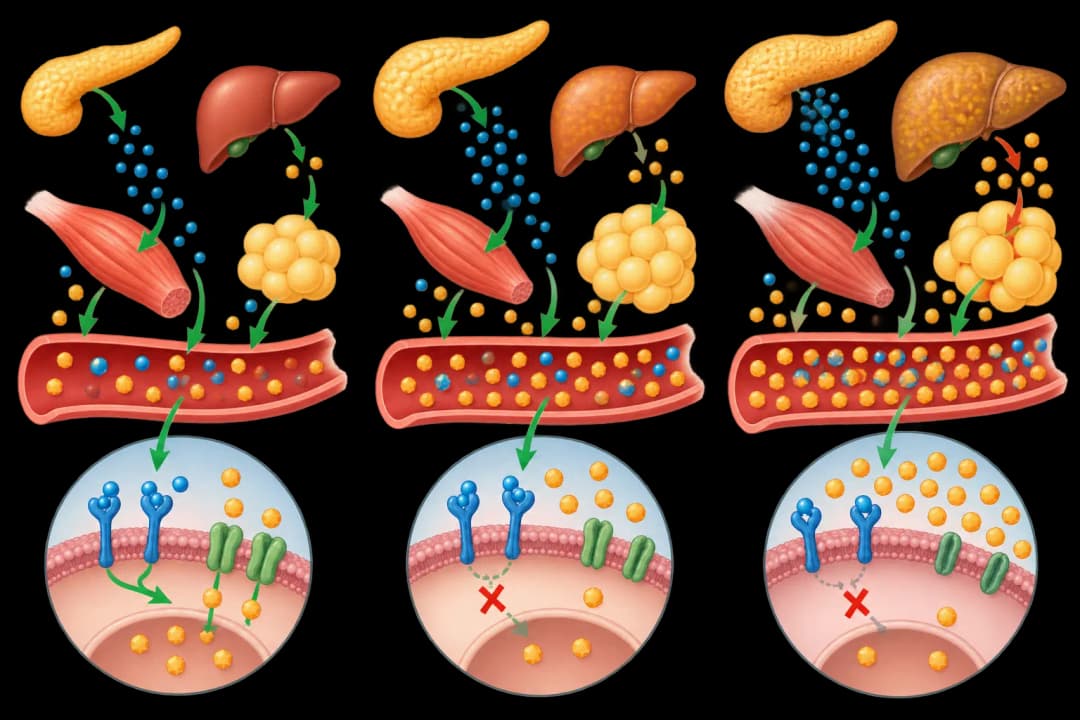
Insulin helps glucose leave the bloodstream and enter cells for energy. Different insulin types work at different speeds and for different lengths of time. Your prescription should state which insulin to use, how much, when to take it and how to respond to a missed dose.
The main safety concern is glucose falling too low. Hypoglycaemia may feel like sweating, trembling, hunger, dizziness, a fast heartbeat or confusion. Kidney problems, changing meals, alcohol, extra activity and illness can alter insulin needs.
Making insulin part of your routine
Ask for a demonstration before your first injection and practise checking the dose, choosing a site and disposing of needles. Rotate injection areas as taught, store insulin according to its label and check the appearance before use. Never share insulin pens or needles.
Check glucose at the times your care team recommends and write down readings, meals, activity and symptoms when patterns are unclear. Keep your treatment instructions with you. Arrange regular reviews so doses can reflect changes in appetite, weight, medicines, kidney function or daily routine.
When urgent help is needed
Seek emergency help for a seizure, collapse, severe confusion, inability to swallow or a low glucose episode that does not improve with your prescribed rescue plan. Get urgent assessment for vomiting, deep or rapid breathing, severe dehydration or extreme drowsiness with high glucose.
A cut or blister on the foot that becomes red, hot, swollen, painful or draining needs prompt review. Diabetes can make foot problems harder to notice, particularly with Peripheral Neuropathy or reduced circulation.
Questions for your doctor
Which insulin am I using and what is its action time? What are my personal glucose targets? What should I do if I miss a dose, eat less than planned or become ill? How will we review my injection technique and dose?
Find care
General Clinics & Polyclinics in Abu Dhabi
That answer is general. If you want it applied to your own case, these are licensed general clinics & polyclinics listed in Abu Dhabi.
27 Ar Ruwwad St - Shakhbout City - MSH4 - Abu Dhabi - United Arab Emirates
Accepts: Daman, Thiqa, Cigna, MetLife +20 more
Al Ruwais, Al Dhafrah
Accepts: Daman, Thiqa, AXA, Cigna +16 more
Al Bahyah - Al Bahyah Old - Abu Dhabi - United Arab Emirates
Accepts: Daman, Thiqa, Cigna, Allianz Care +18 more
Abu Dhabi
Accepts: Daman, Thiqa, AXA, Cigna +27 more
Ordered by verification status and how complete each clinic's public record is, then alphabetically. This is a directory listing, not a ranking — Zavis does not rate or recommend providers.
A factual listing drawn from the DHA, DOH and MOHAP licence registers. It is not a referral, an endorsement, or advice that any of these providers is right for you.
Questions people ask
Will I need insulin forever?
It depends on why insulin was started and how your health and glucose control change. Your clinician can review whether the plan remains suitable.
Can I change my dose myself?
Change it only according to a written plan from your diabetes team, because meals, illness and other factors can alter glucose levels.
Related
Related reading
Keep reading
Medical disclaimer. This page is general health information, not medical advice, and it cannot diagnose you. Always consult a licensed healthcare provider about your own symptoms and treatment. In an emergency in the UAE, call 998 for an ambulance.