
Injection for type 2 diabetes and weight loss: what to know
Short answer
Some injectable medicines can improve blood-glucose control and support weight loss in type 2 diabetes, but choice and dosing must be personalised.
This answers one question. It is not a diagnosis and does not replace an assessment by a licensed doctor.
At a glance
- Main goals
- Glucose control and weight support
- Monitoring
- Glucose, symptoms, weight and kidney health
- Urgent concern
- Severe pain, dehydration or low glucose
How the treatment fits diabetes care
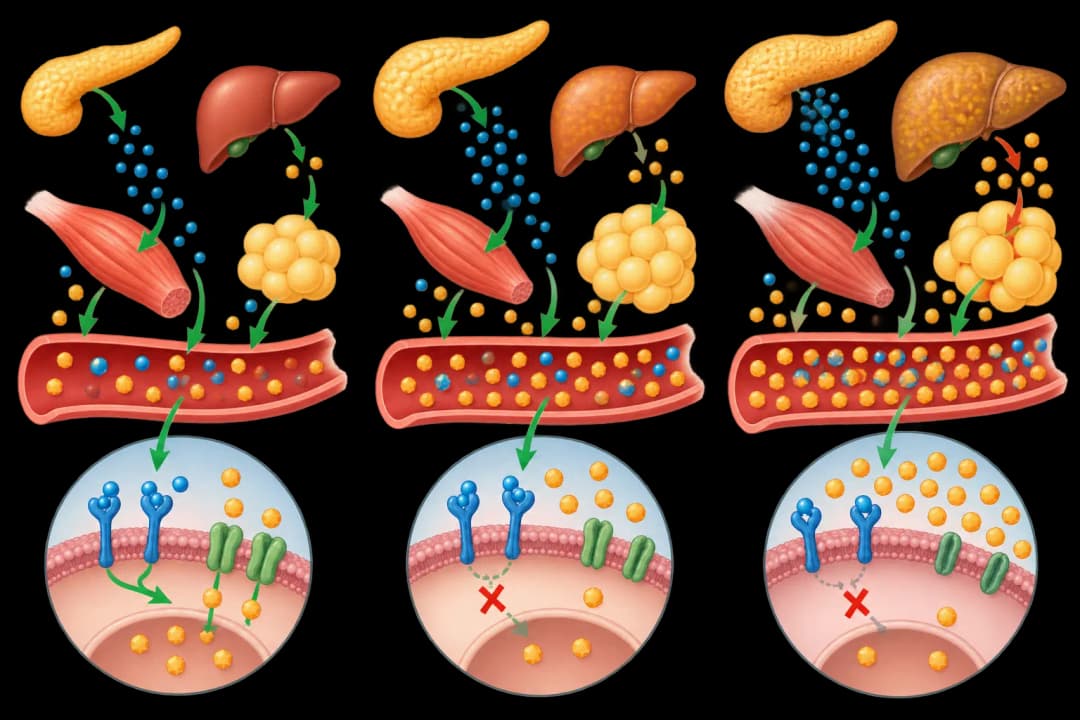
Depending on the medicine, an injection may help the pancreas release insulin when glucose is high, slow digestion and reduce appetite. It is not the same as treating every form of diabetes, and it does not remove the need for a complete care plan. Your clinician considers glucose results, kidney function, other medicines, weight goals and previous treatment.
Nausea, early fullness, constipation or diarrhoea may happen during dose adjustment. If insulin or another glucose-lowering medicine is used as well, the plan may need changes to reduce the risk of hypoglycaemia. Weight and glucose should be reviewed together rather than judged from one reading.
Using treatment safely
Learn the injection technique, storage requirements and missed-dose instructions from your care team. Use the prescribed dose, keep appointments and check glucose as advised. Do not share injection devices or buy unverified products online. Aim for regular meals, hydration and activity suited to your health, with attention to foot care if you have reduced sensation or circulation.
Tell your clinician about kidney disease, previous pancreatitis, eye symptoms, pregnancy plans and all medicines. Seek advice before fasting, surgery or making a major diet change. Treating obesity, prediabetes or related conditions may require a broader plan.
When to seek care
Get urgent help for severe or persistent abdominal pain, repeated vomiting, confusion, fainting, difficulty breathing, facial swelling or inability to keep fluids down. Contact your diabetes team promptly for repeated low-glucose symptoms, unexpectedly high readings, a worsening injection-site wound or signs of cellulitis.
Questions for your doctor
Ask what the injection is meant to improve, how you will monitor progress, how it interacts with current medicines, what to do during illness or fasting, and when the dose or treatment should be reviewed.
Find care
General Clinics & Polyclinics in Abu Dhabi
That answer is general. If you want it applied to your own case, these are licensed general clinics & polyclinics listed in Abu Dhabi.
27 Ar Ruwwad St - Shakhbout City - MSH4 - Abu Dhabi - United Arab Emirates
Accepts: Daman, Thiqa, Cigna, MetLife +20 more
Al Ruwais, Al Dhafrah
Accepts: Daman, Thiqa, AXA, Cigna +16 more
Al Bahyah - Al Bahyah Old - Abu Dhabi - United Arab Emirates
Accepts: Daman, Thiqa, Cigna, Allianz Care +18 more
Abu Dhabi
Accepts: Daman, Thiqa, AXA, Cigna +27 more
Ordered by verification status and how complete each clinic's public record is, then alphabetically. This is a directory listing, not a ranking — Zavis does not rate or recommend providers.
A factual listing drawn from the DHA, DOH and MOHAP licence registers. It is not a referral, an endorsement, or advice that any of these providers is right for you.
Questions people ask
Will an injection cure type 2 diabetes?
No. It can support management, but diabetes care still involves monitoring, lifestyle measures and review of other treatments.
What if I take insulin already?
Tell your clinician. Combining glucose-lowering medicines can require dose adjustments and a clear plan for recognising hypoglycaemia.
Related
Related reading
Keep reading
Medical disclaimer. This page is general health information, not medical advice, and it cannot diagnose you. Always consult a licensed healthcare provider about your own symptoms and treatment. In an emergency in the UAE, call 998 for an ambulance.