
What should you know about inguinal hernia robotic surgery?
Short answer
Robotic inguinal hernia surgery is a minimally invasive repair performed through small incisions with instruments controlled by a surgeon.
This answers one question. It is not a diagnosis and does not replace an assessment by a licensed doctor.
At a glance
- Who controls the system
- The operating surgeon
- Repair approach
- Small incisions with internal reinforcement
- Before deciding
- Review the hernia and your health history
What the operation involves
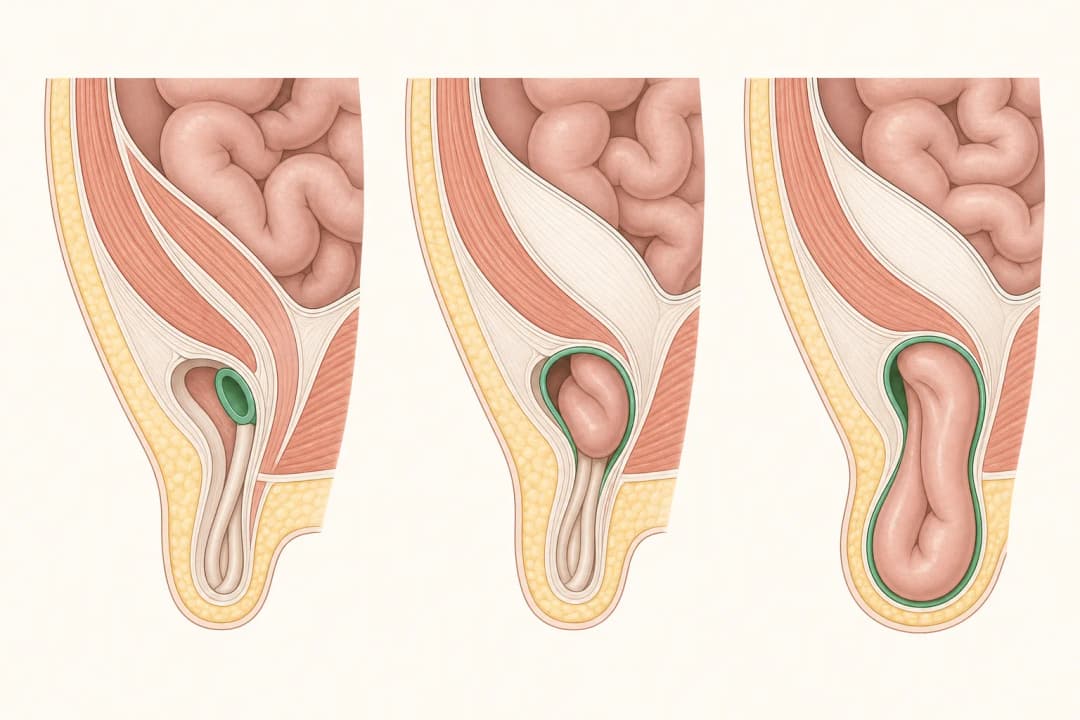
The surgeon places a camera and instruments through small abdominal openings, views the groin from inside and reinforces the weak area, often with mesh selected for the individual case. The robotic system does not operate independently; the surgeon controls its movements throughout the procedure. General anaesthesia is commonly used, and suitability depends on the hernia, previous operations, overall health and local surgical expertise.
A bulge, pressure or discomfort in the groin can be an inguinal hernia presentation. Abdominal pain can have other causes, so diagnosis is based on examination and sometimes imaging. A GP consultation can help decide whether surgical assessment or an abdominal ultrasound is appropriate.
Preparing and recovering
Before surgery, provide a complete medicine list and mention allergies, smoking, previous anaesthesia problems and other illnesses. Follow instructions about fasting and medicines. Afterward, walk gently as advised, keep wounds clean and follow lifting restrictions from the surgical team. Soreness, bruising, bloating or temporary groin numbness may occur. Arrange follow-up to review healing and return to work, exercise and heavier lifting safely.
Warning signs after repair
Contact the surgical team urgently for increasing redness, swelling, pus, persistent vomiting, inability to pass urine, fever or pain that is not controlled by the prescribed plan. Seek emergency help for severe abdominal pain, a painful groin bulge that cannot be pushed back, fainting or breathing difficulty. These signs can indicate a complication or an obstructed hernia and should not be monitored at home.
Questions for your doctor
Ask why robotic repair is being suggested, whether open or laparoscopic repair is also suitable, what mesh means for you, how long activity restrictions may last, and which symptoms require urgent review.
Find care
General Clinics & Polyclinics in Abu Dhabi
That answer is general. If you want it applied to your own case, these are licensed general clinics & polyclinics listed in Abu Dhabi.
27 Ar Ruwwad St - Shakhbout City - MSH4 - Abu Dhabi - United Arab Emirates
Accepts: Daman, Thiqa, Cigna, MetLife +20 more
Al Ruwais, Al Dhafrah
Accepts: Daman, Thiqa, AXA, Cigna +16 more
Al Bahyah - Al Bahyah Old - Abu Dhabi - United Arab Emirates
Accepts: Daman, Thiqa, Cigna, Allianz Care +18 more
Abu Dhabi
Accepts: Daman, Thiqa, AXA, Cigna +27 more
Ordered by verification status and how complete each clinic's public record is, then alphabetically. This is a directory listing, not a ranking — Zavis does not rate or recommend providers.
A factual listing drawn from the DHA, DOH and MOHAP licence registers. It is not a referral, an endorsement, or advice that any of these providers is right for you.
Questions people ask
Does robotic surgery mean a robot performs the operation alone?
No. The surgeon controls the robotic instruments and camera throughout the repair.
Can every inguinal hernia be repaired robotically?
No. The appropriate approach depends on the hernia, prior surgery, health and the surgeon’s assessment.
Related
Related reading
Keep reading
Medical disclaimer. This page is general health information, not medical advice, and it cannot diagnose you. Always consult a licensed healthcare provider about your own symptoms and treatment. In an emergency in the UAE, call 998 for an ambulance.