
Infant constipation remedies
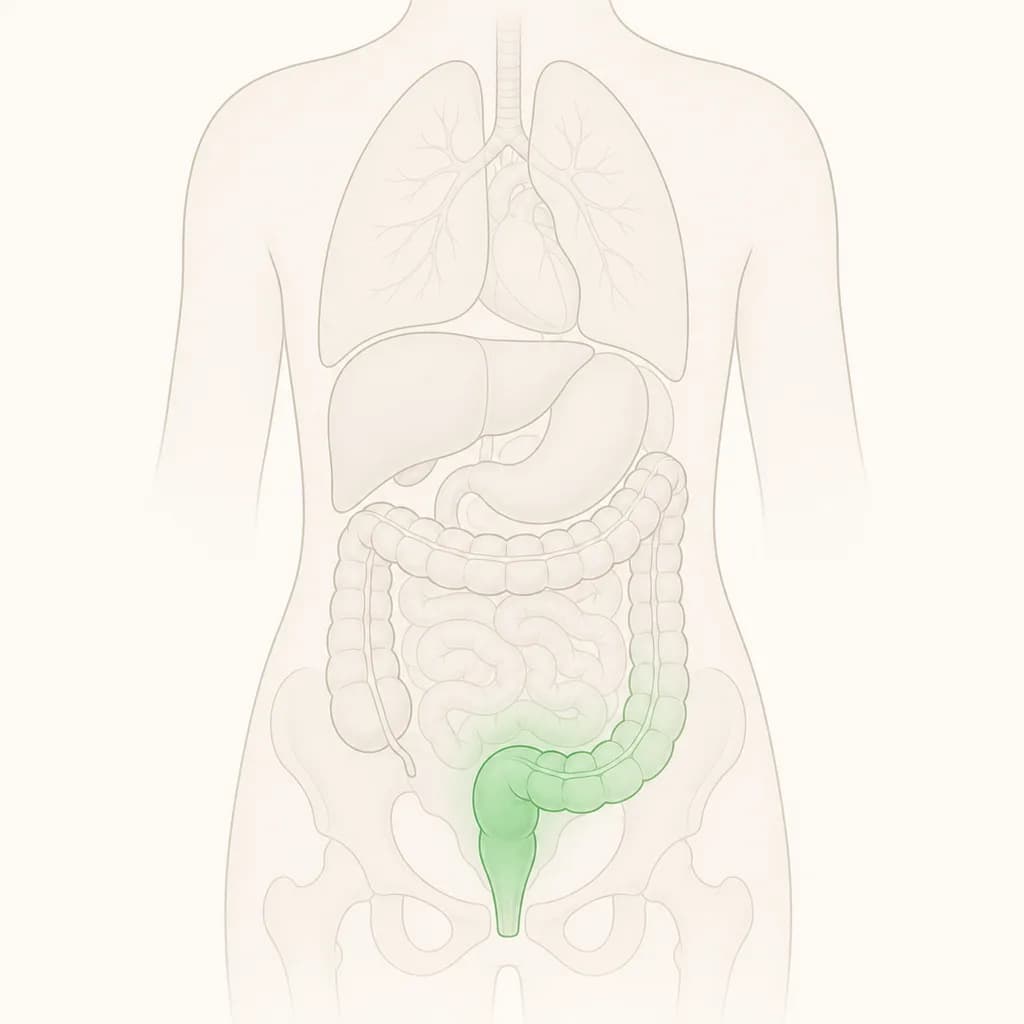
Short answer
Infant constipation remedies depend on the baby's age, feeding pattern and stool symptoms, so use gentle measures and seek advice before medicines.
This answers one question. It is not a diagnosis and does not replace an assessment by a licensed doctor.
At a glance
- Constipation sign
- Hard, dry or painful stools matter more than frequency alone.
- Gentle option
- Usual feeds, bicycle-leg movements and a warm bath.
- Avoid
- Unprescribed laxatives, enemas, water and herbal preparations.
Understanding infant constipation
Constipation means stools are hard, dry or difficult and painful to pass; stool frequency alone does not decide whether a breastfed or formula-fed infant is constipated. Straining with a soft stool can be normal. A change in feeding, fluid intake or routine may affect bowel movements.
Persistent constipation can occur with dehydration or, less commonly, an underlying problem such as Hypothyroidism. Irritable Bowel Syndrome and Diverticular Disease are not typical explanations for constipation in a young infant, so do not assume an adult diagnosis.
Safe supportive steps
Continue the baby's usual breast or formula feeds unless a clinician has advised otherwise. If the infant has started solids, discuss suitable fibre-rich foods and fluid changes with a health professional. Gentle bicycle-leg movements and a warm bath may relax the baby, but stop if they cause distress.
Never give laxatives, suppositories, enemas, fruit juice, water or herbal preparations to a young infant without specific medical advice. A clinician can decide whether a medicine is appropriate and how it should be used. Nutrition Counselling may help when feeding changes are part of the problem.
When to seek care
Seek urgent help if the abdomen is swollen and hard, the baby has green vomit, blood in the stool, severe pain, marked sleepiness or cannot keep feeds down. Arrange prompt assessment for poor feeding, fewer wet nappies, repeated painful stools, poor growth or constipation that began very early in life. A clinician should review constipation that keeps returning despite supportive care.
Questions for your doctor
Ask whether the stools are truly constipated, whether feeding or hydration needs changing and which remedy is safe for your baby's age. Bring details about stool texture, pain, vomiting, feeds, wet nappies and any medicines already given.
Find care
General Clinics & Polyclinics in Abu Dhabi
That answer is general. If you want it applied to your own case, these are licensed general clinics & polyclinics listed in Abu Dhabi.
27 Ar Ruwwad St - Shakhbout City - MSH4 - Abu Dhabi - United Arab Emirates
Accepts: Daman, Thiqa, Cigna, MetLife +20 more
Al Ruwais, Al Dhafrah
Accepts: Daman, Thiqa, AXA, Cigna +16 more
Al Bahyah - Al Bahyah Old - Abu Dhabi - United Arab Emirates
Accepts: Daman, Thiqa, Cigna, Allianz Care +18 more
Abu Dhabi
Accepts: Daman, Thiqa, AXA, Cigna +27 more
Ordered by verification status and how complete each clinic's public record is, then alphabetically. This is a directory listing, not a ranking — Zavis does not rate or recommend providers.
A factual listing drawn from the DHA, DOH and MOHAP licence registers. It is not a referral, an endorsement, or advice that any of these providers is right for you.
Questions people ask
Is straining always constipation?
No. Some infants strain and turn red before passing a soft stool. Hard, dry or painful stools are more suggestive of constipation.
Can I give a laxative at home?
Do not give an infant laxatives or suppositories without a clinician's instructions. The right treatment depends on age, feeding and examination.
Related
Related reading
Keep reading
Medical disclaimer. This page is general health information, not medical advice, and it cannot diagnose you. Always consult a licensed healthcare provider about your own symptoms and treatment. In an emergency in the UAE, call 998 for an ambulance.