
ICSI, frozen embryo transfer and gender: what should you know?
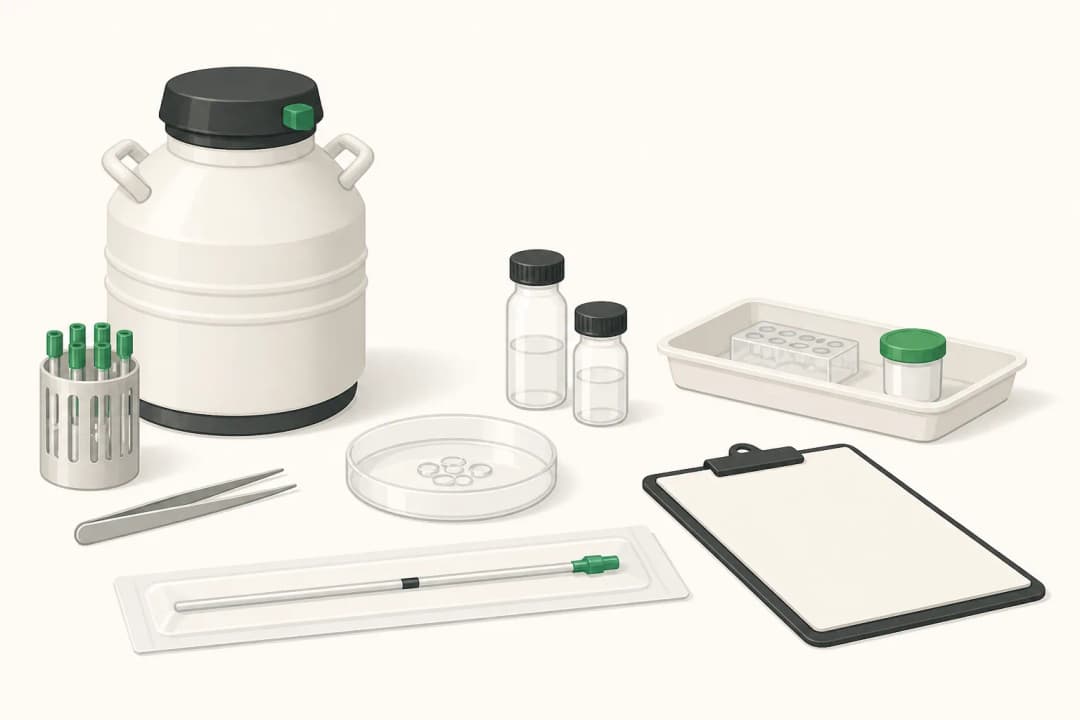
Short answer
ICSI and frozen embryo transfer are separate parts of fertility treatment, and a transfer itself does not determine an embryo’s sex or guarantee a pregnancy.
This answers one question. It is not a diagnosis and does not replace an assessment by a licensed doctor.
At a glance
- Separate steps
- ICSI fertilises an egg; frozen embryo transfer places a preserved embryo in the uterus.
- Ask what is known
- Genetic test information, if available, has defined limits and may be subject to local rules.
How the terms fit together
ICSI is a laboratory fertilisation technique in which a sperm is placed into an egg. A frozen embryo transfer uses an embryo that was preserved after laboratory development and later placed into the uterus. The transfer procedure does not change the embryo’s genetic sex.
Information about an embryo’s chromosomes may be available only when specific genetic testing has been performed, and whether testing or disclosure is offered depends on the clinical plan and applicable local rules. Chromosomal information is not the same as a guarantee about a child’s sex characteristics or health. Your fertility team should explain what is known and what remains uncertain.
Preparing for a transfer
Ask how the uterine lining will be prepared, which embryo is being considered, and when medicines should start or stop. In a hormone-prepared cycle, micronised progesterone may support the lining; use it exactly as prescribed and report unexpected bleeding or troublesome effects.
Follow instructions about appointments, medication timing, and pregnancy testing. Avoid changing treatment because of a home test or online advice. Emotional support can be useful when decisions about embryos, testing, or disclosure feel difficult.
When to seek care
Contact the fertility clinic for heavy bleeding, severe or one-sided pain, faintness, fever, breathing difficulty, or symptoms that feel urgent after medication or transfer. After a positive test, urgent assessment is needed for severe pain, shoulder-tip pain, dizziness, or bleeding because these can require prompt review.
Questions for your doctor
Was ICSI used, and what was the embryo’s development history? Has any genetic testing been performed, and what can it actually show? What are the local rules about discussing embryo sex? How should I use progesterone, and which symptoms need urgent help?
Find care
General Clinics & Polyclinics in Abu Dhabi
That answer is general. If you want it applied to your own case, these are licensed general clinics & polyclinics listed in Abu Dhabi.
27 Ar Ruwwad St - Shakhbout City - MSH4 - Abu Dhabi - United Arab Emirates
Accepts: Daman, Thiqa, Cigna, MetLife +20 more
Al Ruwais, Al Dhafrah
Accepts: Daman, Thiqa, AXA, Cigna +16 more
Al Bahyah - Al Bahyah Old - Abu Dhabi - United Arab Emirates
Accepts: Daman, Thiqa, Cigna, Allianz Care +18 more
Abu Dhabi
Accepts: Daman, Thiqa, AXA, Cigna +27 more
Ordered by verification status and how complete each clinic's public record is, then alphabetically. This is a directory listing, not a ranking — Zavis does not rate or recommend providers.
A factual listing drawn from the DHA, DOH and MOHAP licence registers. It is not a referral, an endorsement, or advice that any of these providers is right for you.
Questions people ask
Does frozen embryo transfer determine gender?
No. The transfer procedure does not determine an embryo’s sex; any relevant information comes from the embryo’s biology and, where performed, specific genetic testing.
Is progesterone used with frozen embryo transfer?
It may be used in some treatment plans to support the uterine lining. Follow the fertility team’s exact instructions for micronised progesterone or other medicines.
Related
Related reading
Keep reading
Medical disclaimer. This page is general health information, not medical advice, and it cannot diagnose you. Always consult a licensed healthcare provider about your own symptoms and treatment. In an emergency in the UAE, call 998 for an ambulance.