
How is polycystic ovary syndrome different when planning pregnancy?
Short answer
For women planning pregnancy, polycystic ovary syndrome may make ovulation less predictable, so preconception planning can help identify safe treatment and fertility support.
This answers one question. It is not a diagnosis and does not replace an assessment by a licensed doctor.
At a glance
- Main planning issue
- Ovulation and fertile days may be less predictable
- Useful preparation
- Review medicines and health conditions before conception
Why planning can be different
PCOS can involve irregular or absent periods, acne, increased facial or body hair, and changes in how the body handles insulin. Irregular bleeding can reflect ovulation that does not happen regularly, making fertile days harder to predict. Some people with PCOS ovulate without obvious symptoms, while others need help to restore or induce ovulation.
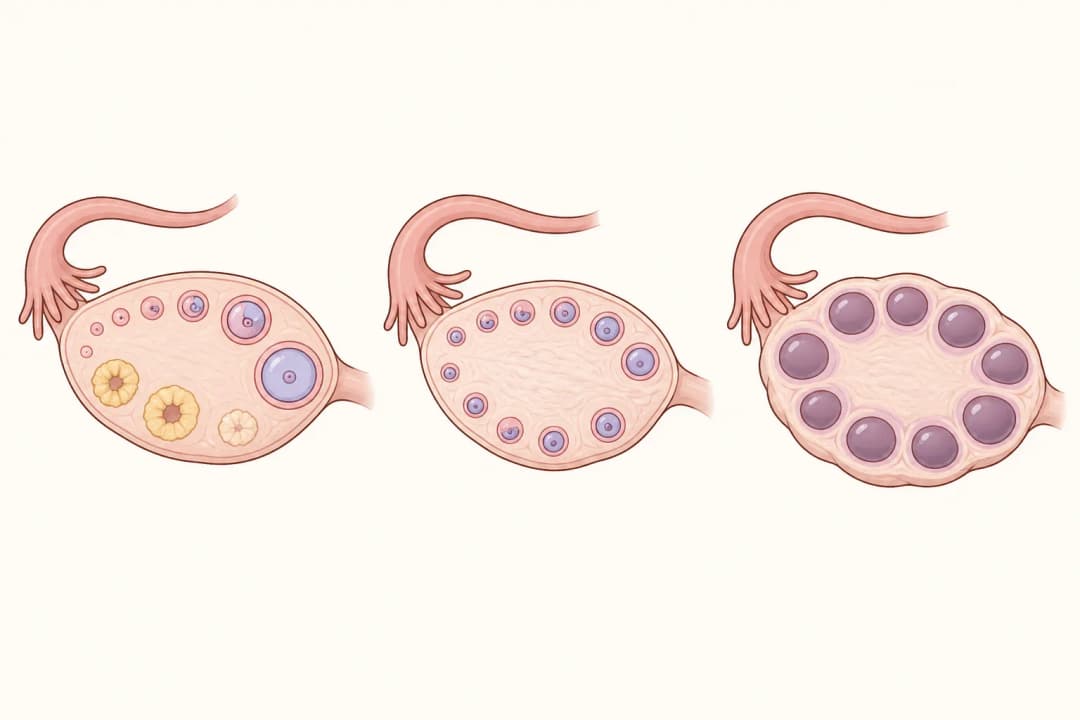
A preconception visit is useful because medicines, supplements, blood pressure, blood sugar, weight changes, and other health conditions may affect pregnancy planning. The ultrasound appearance of polycystic ovaries is only one part of assessment and does not by itself establish PCOS. A clinician will interpret symptoms, cycle history, examination, and tests together.
Steps before trying
Book a preconception appointment and take a record of periods, symptoms, previous pregnancies, medicines, and supplements. Discuss folic acid, vaccinations, long-term conditions, and whether any treatment should change before conception. If cycles are very irregular or absent, ask about ovulation assessment rather than relying only on an app’s fertile-window estimate.
Supportive routines such as regular movement, balanced meals, sleep, and avoiding tobacco can help overall health, whatever your body size. Do not stop prescribed medicine or start a fertility treatment without professional advice. If pregnancy does not occur or ovulation remains unclear, a fertility clinician can discuss the next appropriate option.
When to seek care
Seek medical advice before trying if periods are absent for a prolonged time, bleeding is unusually heavy, pelvic pain is significant, or you have symptoms of high blood sugar such as marked thirst and frequent urination. Contact a clinician promptly after a positive pregnancy test to review medicines and arrange suitable care. Urgent help is needed for severe one-sided pelvic pain, fainting, or heavy bleeding during pregnancy.
Questions for your clinician
Ask how PCOS may be affecting ovulation, which preconception tests are appropriate, what medicines and supplements are safe, and when to seek fertility advice. Request a plan for tracking cycles and follow-up if periods remain irregular or pregnancy occurs.
Find care
General Clinics & Polyclinics in Abu Dhabi
That answer is general. If you want it applied to your own case, these are licensed general clinics & polyclinics listed in Abu Dhabi.
27 Ar Ruwwad St - Shakhbout City - MSH4 - Abu Dhabi - United Arab Emirates
Accepts: Daman, Thiqa, Cigna, MetLife +20 more
Al Ruwais, Al Dhafrah
Accepts: Daman, Thiqa, AXA, Cigna +16 more
Al Bahyah - Al Bahyah Old - Abu Dhabi - United Arab Emirates
Accepts: Daman, Thiqa, Cigna, Allianz Care +18 more
Abu Dhabi
Accepts: Daman, Thiqa, AXA, Cigna +27 more
Ordered by verification status and how complete each clinic's public record is, then alphabetically. This is a directory listing, not a ranking — Zavis does not rate or recommend providers.
A factual listing drawn from the DHA, DOH and MOHAP licence registers. It is not a referral, an endorsement, or advice that any of these providers is right for you.
Questions people ask
Can someone with PCOS become pregnant?
Yes. PCOS can make ovulation less predictable, but many people conceive with lifestyle support, cycle guidance, or medical treatment.
Should I wait for regular periods before seeking help?
No. Absent or very irregular periods are a reason to discuss ovulation and preconception care early.
Related
Related reading
Keep reading
Medical disclaimer. This page is general health information, not medical advice, and it cannot diagnose you. Always consult a licensed healthcare provider about your own symptoms and treatment. In an emergency in the UAE, call 998 for an ambulance.