
How long does strength training rehabilitation take to work for osteopenia?
Short answer
Strength training rehabilitation for osteopenia usually needs consistent practice over several weeks before movement feels easier, while bone-strength goals take longer and require ongoing follow-up.
This answers one question. It is not a diagnosis and does not replace an assessment by a licensed doctor.
At a glance
- Early focus
- Technique, confidence, balance, and safe loading
- Progression
- Increase challenge only when movement remains controlled
- Follow-up
- Review the programme when symptoms or tolerance change
What the timeline means
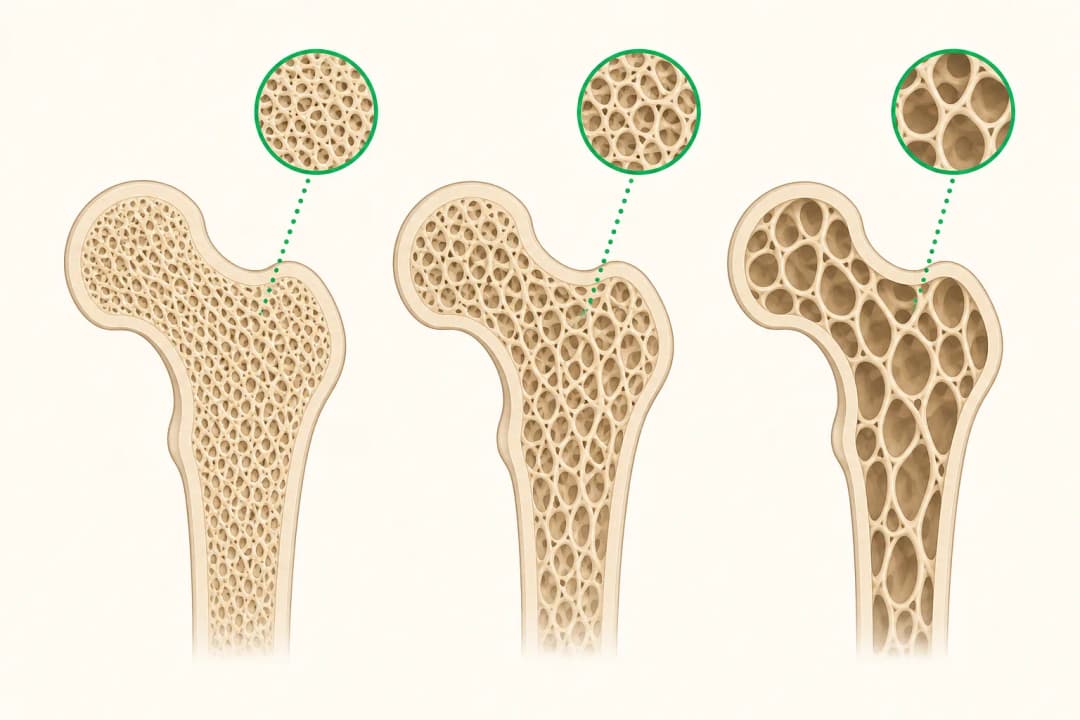
The first changes may be better confidence, steadier movement, and improved ability to complete daily tasks. Bone adapts slowly to repeated, appropriately loaded exercise, so a scan or clinical review may not show change quickly. Your starting fitness, fracture history, balance, other health conditions, and the exercises selected all affect the pace.
A rehabilitation professional may begin with controlled resistance, posture work, balance practice, and movements that load the legs and trunk safely. The programme can then become more challenging as your technique and tolerance improve.
How to make rehabilitation useful
Attend the planned sessions and complete the home exercises at the agreed frequency. Use slow, controlled movements and keep breathing rather than holding your breath. Tell the clinician if an exercise causes sharp pain, new back pain, or symptoms that continue after the session.
Do not increase resistance, impact, or exercise volume suddenly. Ask how walking, lifting, stair use, and fall-prevention practice fit alongside strengthening. Keep follow-up appointments so the programme can be adjusted to your response.
When to seek care
Contact your clinician promptly after a new fall, sudden severe back or hip pain, or pain that begins during a low-load exercise and does not settle. Seek urgent help for a major injury, inability to bear weight, new weakness, or loss of bladder or bowel control.
Questions for your doctor or physiotherapist
Ask which exercises are suitable for your bone density and fracture history, how you will measure progress, and when resistance can be increased. Discuss whether medicines, nutrition, vision checks, or balance work should be part of the wider plan.
Find care
General Clinics & Polyclinics in Abu Dhabi
That answer is general. If you want it applied to your own case, these are licensed general clinics & polyclinics listed in Abu Dhabi.
27 Ar Ruwwad St - Shakhbout City - MSH4 - Abu Dhabi - United Arab Emirates
Accepts: Daman, Thiqa, Cigna, MetLife +20 more
Al Ruwais, Al Dhafrah
Accepts: Daman, Thiqa, AXA, Cigna +16 more
Al Bahyah - Al Bahyah Old - Abu Dhabi - United Arab Emirates
Accepts: Daman, Thiqa, Cigna, Allianz Care +18 more
Abu Dhabi
Accepts: Daman, Thiqa, AXA, Cigna +27 more
Ordered by verification status and how complete each clinic's public record is, then alphabetically. This is a directory listing, not a ranking — Zavis does not rate or recommend providers.
A factual listing drawn from the DHA, DOH and MOHAP licence registers. It is not a referral, an endorsement, or advice that any of these providers is right for you.
Questions people ask
Will I feel stronger before my bone density changes?
Often, functional improvements such as steadier movement or easier daily tasks can be noticed before bone-related measurements change.
Can I train if I have had a fracture?
Possibly, but the exercises and loading level should be selected around the fracture site, healing stage, and advice from your treating clinician.
Related
Related reading
Keep reading
Medical disclaimer. This page is general health information, not medical advice, and it cannot diagnose you. Always consult a licensed healthcare provider about your own symptoms and treatment. In an emergency in the UAE, call 998 for an ambulance.