
How long does chronic disease review take to work for type 2 diabetes?
Short answer
A chronic disease review identifies changes during the appointment, but the effect on type 2 diabetes is judged through symptoms, glucose records and follow-up tests over time.
This answers one question. It is not a diagnosis and does not replace an assessment by a licensed doctor.
At a glance
- Review focus
- Glucose, medicines and diabetes health checks
- Expected timing
- Judged with records and planned follow-up
What happens in a review
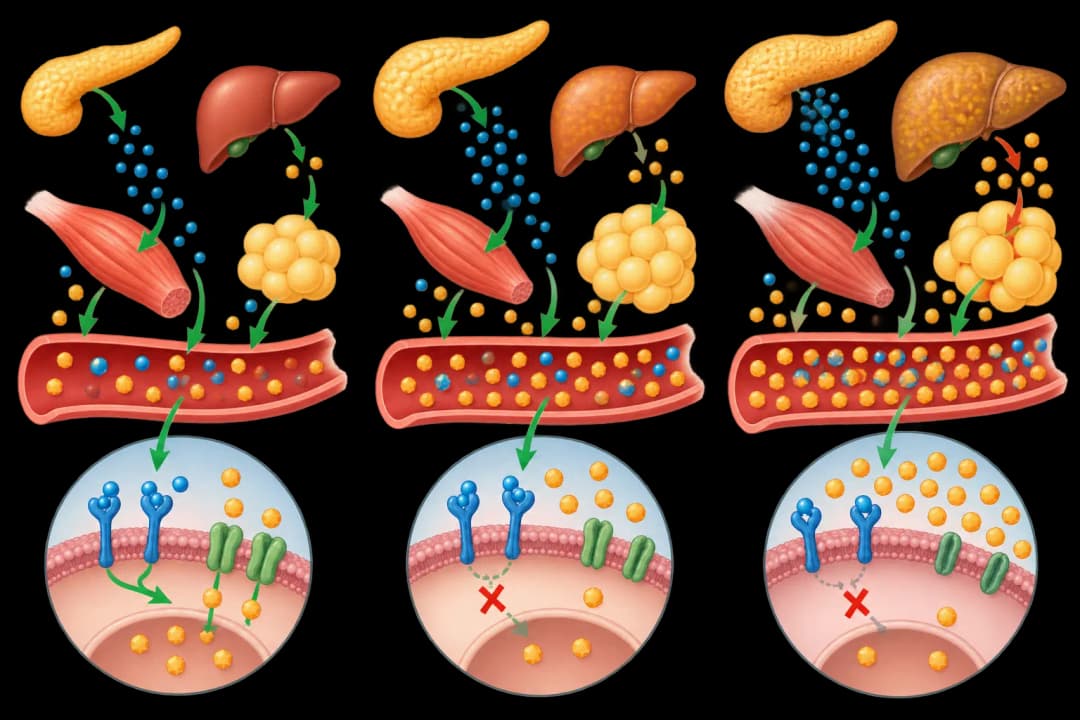
Your clinician may discuss glucose readings, medicines, meals, activity, weight changes, blood pressure, foot health and symptoms. The review can lead to a medicine adjustment, advice about taking treatment, checks for complications or a referral. Some people notice changes in readings after a treatment change; other decisions require a longer record or repeat testing. The pace depends on the starting glucose pattern, the medicine involved, your routine and other health conditions.
A single reading cannot show whether the whole plan is working. Keep a record that includes medicine timing and unusual meals, illness or activity, then take it to follow-up.
Steps after the appointment
Take medicines exactly as prescribed and do not stop or increase them without advice. Record readings if your clinician has asked you to, and note dizziness, sweating, thirst, frequent urination or other changes. Confirm when your next review or test is due. You can read about [Chronic Disease Review](/treatments/consultations-and-assessment/chronic-disease-review/) and [Type 2 Diabetes](/conditions/type-2-diabetes/).
When to seek care sooner
Contact your healthcare team if readings stay high, low-glucose symptoms recur, or a new medicine causes troublesome effects. Seek urgent help for confusion, fainting, severe weakness, breathing difficulty, persistent vomiting or inability to keep fluids down. If you are unwell, ask how often to check glucose and whether your medicines need temporary instructions.
Questions for your doctor
Ask what improvement to look for, which readings need action, when testing should be repeated, and how your medicines should be handled during illness or fasting.
Find care
General Clinics & Polyclinics in Abu Dhabi
That answer is general. If you want it applied to your own case, these are licensed general clinics & polyclinics listed in Abu Dhabi.
27 Ar Ruwwad St - Shakhbout City - MSH4 - Abu Dhabi - United Arab Emirates
Accepts: Daman, Thiqa, Cigna, MetLife +20 more
Al Ruwais, Al Dhafrah
Accepts: Daman, Thiqa, AXA, Cigna +16 more
Al Bahyah - Al Bahyah Old - Abu Dhabi - United Arab Emirates
Accepts: Daman, Thiqa, Cigna, Allianz Care +18 more
Abu Dhabi
Accepts: Daman, Thiqa, AXA, Cigna +27 more
Ordered by verification status and how complete each clinic's public record is, then alphabetically. This is a directory listing, not a ranking — Zavis does not rate or recommend providers.
A factual listing drawn from the DHA, DOH and MOHAP licence registers. It is not a referral, an endorsement, or advice that any of these providers is right for you.
Questions people ask
Can a review improve glucose immediately?
A medicine or routine change may affect readings relatively soon, but your clinician needs a pattern to judge the overall response.
Should I change my medicine if readings remain high?
Do not make an unsupervised change; contact your diabetes team with the readings and treatment details.
Related
Related reading
Keep reading
Medical disclaimer. This page is general health information, not medical advice, and it cannot diagnose you. Always consult a licensed healthcare provider about your own symptoms and treatment. In an emergency in the UAE, call 998 for an ambulance.