
How long does childhood immunisation take to work for rotavirus infection?
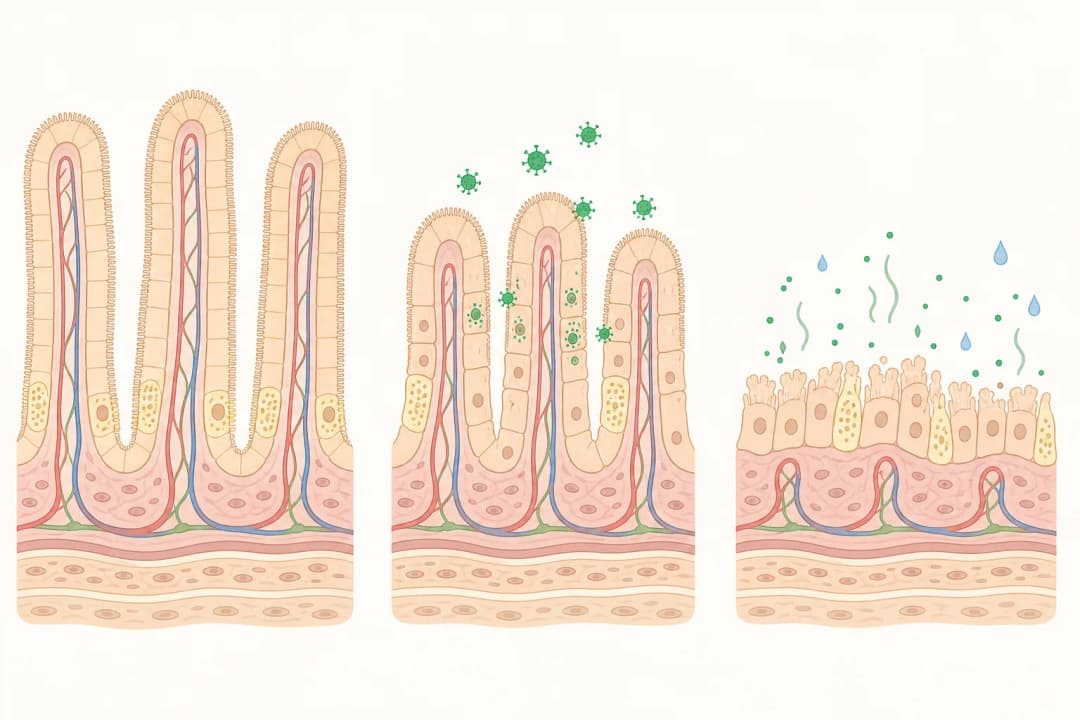
Short answer
Rotavirus immunisation begins building protection after a dose, but protection develops through the recommended course rather than instantly.
This answers one question. It is not a diagnosis and does not replace an assessment by a licensed doctor.
At a glance
- Protection
- Builds after vaccination and strengthens through the recommended course.
- Purpose
- Reduces the risk of severe rotavirus illness; it does not treat current infection.
What this means for your child
The vaccine trains the immune system to recognise rotavirus. A vaccinated child may still develop diarrhoea or vomiting, but immunisation can reduce the chance of severe illness. Protection is not a treatment for an infection that has already started, so vaccination does not make current symptoms stop immediately. Completing each dose at the advised age helps maintain the intended protection.
What to do after immunisation
Keep the child’s immunisation appointment and follow the schedule given by the paediatrician or clinic. Offer frequent fluids if mild diarrhoea occurs, and continue feeding as tolerated. Watch for wet nappies, alertness, and the ability to drink. Wash hands carefully after changing nappies because rotavirus can spread easily. Tell the clinician about previous vaccine reactions or a child who is unwell before the next dose.
When to seek care
Seek urgent medical help if a baby cannot keep fluids down, has markedly fewer wet nappies, is unusually sleepy, has blood in the stool, or has breathing difficulty. Contact a clinician promptly for repeated vomiting, ongoing watery diarrhoea, fever in a young baby, or signs of dehydration such as a dry mouth and no tears. Vaccination does not remove the need to assess a child who is becoming unwell.
Questions for your doctor
Ask when the next rotavirus dose is due, whether illness affects the appointment, and which symptoms should prompt same-day advice. You can also ask how to give fluids safely and whether any existing medical condition changes the vaccination plan.
Find care
General Clinics & Polyclinics in Abu Dhabi
That answer is general. If you want it applied to your own case, these are licensed general clinics & polyclinics listed in Abu Dhabi.
27 Ar Ruwwad St - Shakhbout City - MSH4 - Abu Dhabi - United Arab Emirates
Accepts: Daman, Thiqa, Cigna, MetLife +20 more
Al Ruwais, Al Dhafrah
Accepts: Daman, Thiqa, AXA, Cigna +16 more
Al Bahyah - Al Bahyah Old - Abu Dhabi - United Arab Emirates
Accepts: Daman, Thiqa, Cigna, Allianz Care +18 more
Abu Dhabi
Accepts: Daman, Thiqa, AXA, Cigna +27 more
Ordered by verification status and how complete each clinic's public record is, then alphabetically. This is a directory listing, not a ranking — Zavis does not rate or recommend providers.
A factual listing drawn from the DHA, DOH and MOHAP licence registers. It is not a referral, an endorsement, or advice that any of these providers is right for you.
Questions people ask
Can the vaccine work immediately?
Protection does not develop instantly; the immune response builds after vaccination and across the recommended course.
Can a vaccinated child still get rotavirus?
Yes. Illness can still occur, but vaccination may make severe diarrhoea and dehydration less likely.
Related
Related reading
Keep reading
Medical disclaimer. This page is general health information, not medical advice, and it cannot diagnose you. Always consult a licensed healthcare provider about your own symptoms and treatment. In an emergency in the UAE, call 998 for an ambulance.