
How is type 1 diabetes treated?
Short answer
Type 1 diabetes is treated with insulin replacement, glucose monitoring, personalised education and regular review to manage blood sugar safely.
This answers one question. It is not a diagnosis and does not replace an assessment by a licensed doctor.
At a glance
- Essential treatment
- Daily insulin replacement
- Support
- Glucose monitoring, education and regular reviews
What treatment involves
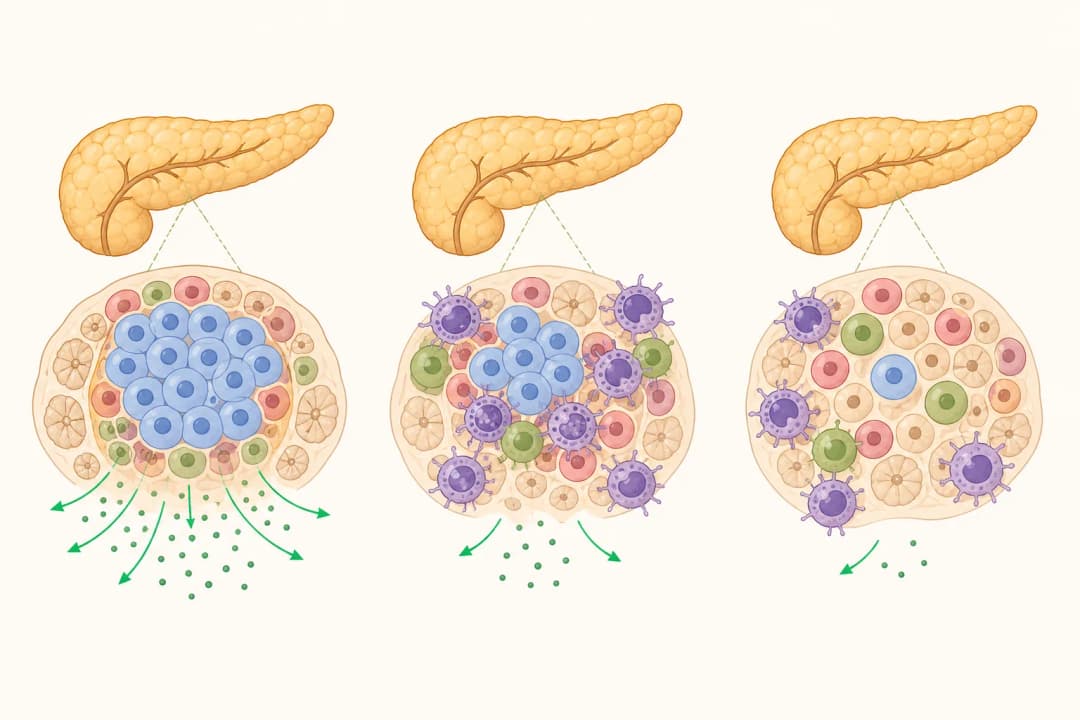
In type 1 diabetes, the pancreas makes little or no insulin, so insulin needs to be replaced every day. It may be given by injections or an insulin pump. Glucose readings help you and your care team adjust doses around meals, activity, illness and changing routines.
A diabetes education programme can teach carbohydrate awareness, injection technique, glucose checks, equipment use and sick-day rules. Regular reviews assess glucose patterns, injection sites, blood pressure, feet, eyes, kidneys and general wellbeing.
Daily management
Use insulin exactly as prescribed and keep a supply of treatment equipment and fast-acting carbohydrate. Check glucose as advised, record unusual readings and carry identification that shows you use insulin. Do not stop insulin during illness unless your diabetes team gives specific instructions.
Learn how to recognise and treat hypoglycaemia, which can cause sweating, shaking, hunger, dizziness, irritability or confusion. Ask your team for an individual plan for exercise, travel, vomiting and missed meals.
When to seek care
Treat suspected hypoglycaemia promptly according to your plan. Get urgent help for severe confusion, a seizure, loss of consciousness, repeated vomiting, deep or rapid breathing, severe dehydration or glucose levels that remain very high with illness. These can signal a dangerous insulin shortage.
Questions for your doctor
Ask how to adjust insulin for meals and exercise, what to do during illness, when to check ketones if advised, how often reviews are needed, and which devices could make monitoring easier.
Find care
General Clinics & Polyclinics in Abu Dhabi
That answer is general. If you want it applied to your own case, these are licensed general clinics & polyclinics listed in Abu Dhabi.
27 Ar Ruwwad St - Shakhbout City - MSH4 - Abu Dhabi - United Arab Emirates
Accepts: Daman, Thiqa, Cigna, MetLife +20 more
Al Ruwais, Al Dhafrah
Accepts: Daman, Thiqa, AXA, Cigna +16 more
Al Bahyah - Al Bahyah Old - Abu Dhabi - United Arab Emirates
Accepts: Daman, Thiqa, Cigna, Allianz Care +18 more
Abu Dhabi
Accepts: Daman, Thiqa, AXA, Cigna +27 more
Ordered by verification status and how complete each clinic's public record is, then alphabetically. This is a directory listing, not a ranking — Zavis does not rate or recommend providers.
A factual listing drawn from the DHA, DOH and MOHAP licence registers. It is not a referral, an endorsement, or advice that any of these providers is right for you.
Questions people ask
Can type 1 diabetes be treated without insulin?
No. The body needs replacement insulin to use glucose and prevent a dangerous insulin shortage.
What should I do if my glucose is low?
Follow your personalised hypoglycaemia plan, use fast-acting carbohydrate if you are awake and able to swallow, and seek emergency help for severe symptoms.
Related
Related reading
Keep reading
Medical disclaimer. This page is general health information, not medical advice, and it cannot diagnose you. Always consult a licensed healthcare provider about your own symptoms and treatment. In an emergency in the UAE, call 998 for an ambulance.