
How is difficulty passing urine treated?
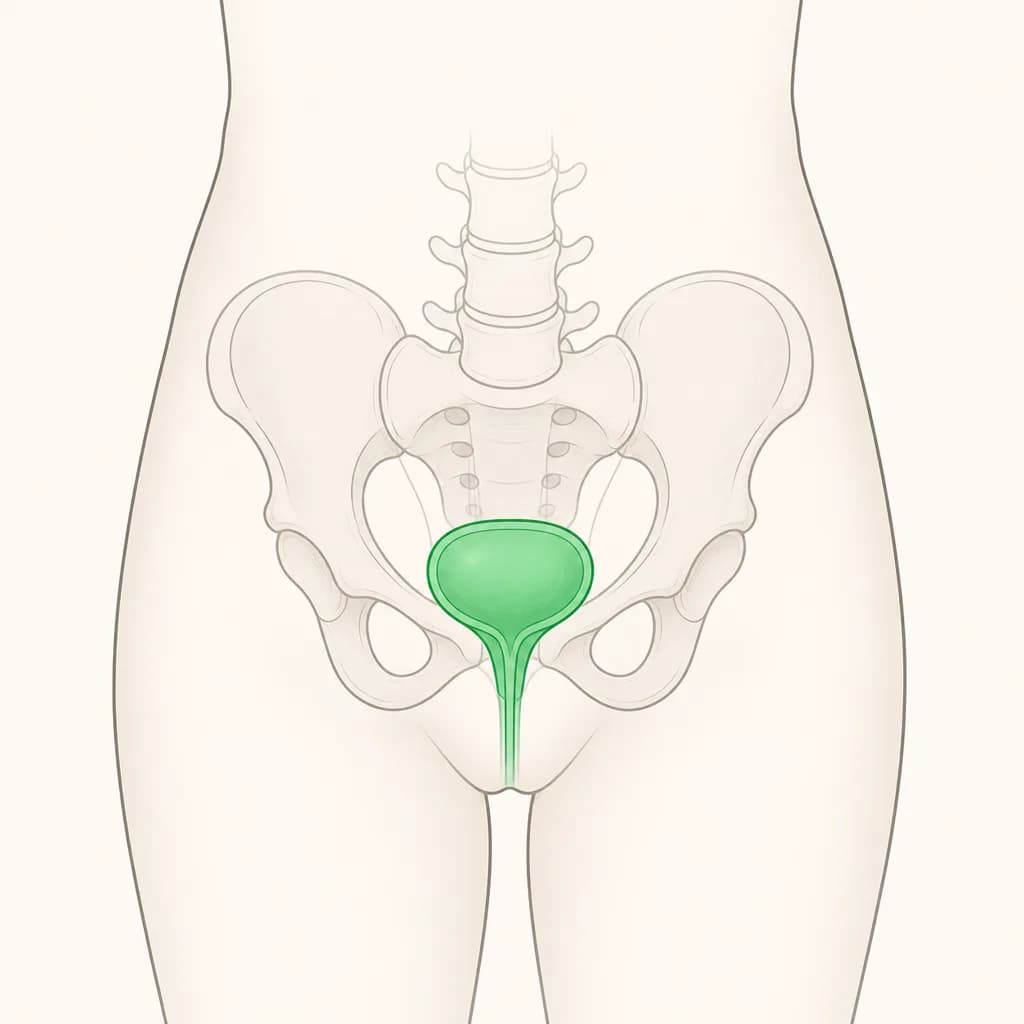
Short answer
Difficulty passing urine is treated by addressing the cause, relieving any blockage, and protecting the bladder and kidneys when urine is retained.
This answers one question. It is not a diagnosis and does not replace an assessment by a licensed doctor.
At a glance
- Main principle
- Treatment depends on the cause and whether urine is being retained.
- Urgent warning
- Being unable to pass urine at all needs urgent medical assessment.
- Possible causes
- Infection, inflammation, prostate enlargement, stones, medicines, or bladder and nerve problems.
How treatment works
Difficulty passing urine is treated by addressing the cause, relieving any blockage, and protecting the bladder and kidneys when urine is retained. A clinician may ask when the problem began, whether the stream is weak or interrupted, and whether there is pain, fever, blood in the urine, or a strong urge with little output. An examination and urine testing may help identify the next step.
What difficulty passing urine can mean
Difficulty passing urine, also called urinary hesitancy or a poor stream, can happen when the outlet is narrowed or the bladder is not squeezing effectively. In some men, an enlarged prostate can press on the urethra. Infection or inflammation may cause swelling and discomfort; prostatitis is one possible cause. A stone, constipation, medicines, or a nerve-related bladder problem can also interfere with emptying. Less commonly, a bladder or prostate tumour may be involved. The symptom alone does not identify the cause.
What treatment may involve
Treatment is tailored to the finding. A urinary infection may need prescribed antimicrobial treatment, while inflammation may need a different medicine and follow-up. Medicines that relax the bladder outlet can help some people with prostate-related obstruction. If urine cannot pass or the bladder remains full, a clinician may drain it with a catheter. A persistent blockage may require a procedure to open the passage or treat a stone. Do not stop a regular medicine or take leftover antibiotics without medical advice.
Until you are assessed, note how often you pass urine, how much comes out, and any pain, fever, blood, or back pain. Avoid straining forcefully. Keep drinking normally unless a clinician has given you a fluid restriction, and arrange an appointment if the change persists or keeps returning.
When to seek urgent care
Seek urgent medical care if you cannot pass urine at all, especially with painful lower-abdominal swelling or a strong urge to urinate. Prompt assessment is also needed for fever or chills with urinary symptoms, visible blood in the urine, severe side or back pain, vomiting, confusion, or new weakness or numbness. Complete retention can overstretch the bladder and may affect the upper urinary tract, so do not wait for it to settle on its own.
Questions for your doctor
Ask what may be narrowing or weakening urine flow, whether your bladder is emptying fully, and which tests are appropriate. You can also ask whether any current medicine could contribute, what warning signs should send you to urgent care, and when to return if the stream does not improve.
Find care
General Clinics & Polyclinics in Abu Dhabi
That answer is general. If you want it applied to your own case, these are licensed general clinics & polyclinics listed in Abu Dhabi.
27 Ar Ruwwad St - Shakhbout City - MSH4 - Abu Dhabi - United Arab Emirates
Accepts: Daman, Thiqa, Cigna, MetLife +20 more
Al Ruwais, Al Dhafrah
Accepts: Daman, Thiqa, AXA, Cigna +16 more
Al Bahyah - Al Bahyah Old - Abu Dhabi - United Arab Emirates
Accepts: Daman, Thiqa, Cigna, Allianz Care +18 more
Abu Dhabi
Accepts: Daman, Thiqa, AXA, Cigna +27 more
Ordered by verification status and how complete each clinic's public record is, then alphabetically. This is a directory listing, not a ranking — Zavis does not rate or recommend providers.
A factual listing drawn from the DHA, DOH and MOHAP licence registers. It is not a referral, an endorsement, or advice that any of these providers is right for you.
Questions people ask
Can difficulty passing urine go away without treatment?
Mild symptoms may fluctuate, but persistent, worsening, or recurring difficulty needs assessment because the cause may require specific treatment. Inability to pass urine at all is urgent.
Will I need a catheter?
A catheter may be used when the bladder is full and urine cannot drain adequately. It can relieve pressure while the clinical team treats the underlying cause and decides whether further care is needed.
What should I tell the clinician?
Mention when the change began, whether the stream is weak or interrupted, your urine output, pain, fever, blood, constipation, previous urinary problems, and all medicines or supplements you take.
Related
Related reading
Keep reading
Medical disclaimer. This page is general health information, not medical advice, and it cannot diagnose you. Always consult a licensed healthcare provider about your own symptoms and treatment. In an emergency in the UAE, call 998 for an ambulance.