
How effective are weight loss injections for type 2 diabetes?
Short answer
Weight loss injections may help with weight management and blood glucose control in type 2 diabetes, but they require individual prescribing and monitoring.
This answers one question. It is not a diagnosis and does not replace an assessment by a licensed doctor.
At a glance
- Possible benefits
- Appetite support, weight management, and glucose improvement
- Monitoring
- Glucose, glycated haemoglobin, weight, and side effects
- Special caution
- Insulin and other glucose-lowering medicines may need review
How they may help
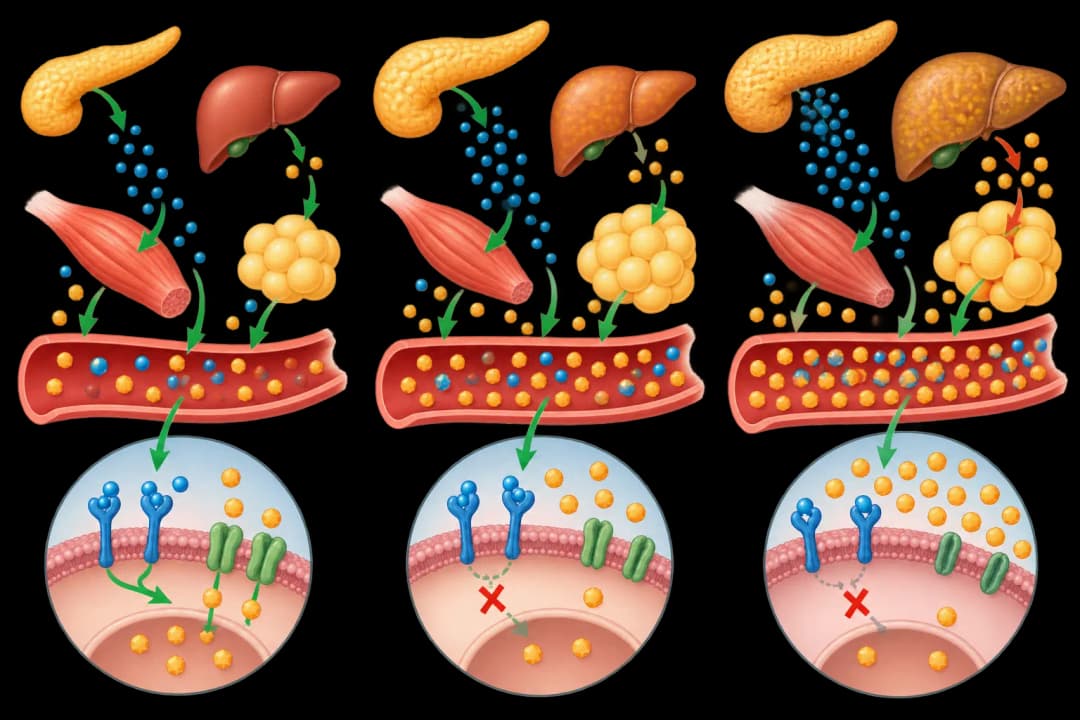
Some injections act on appetite and digestion, helping you feel fuller and eat less. In people with type 2 diabetes, certain medicines can also improve the way the body handles glucose. Benefits are influenced by the medicine chosen, dose, eating pattern, activity, other diabetes treatments, and how regularly the injection is used.
Improvement should be judged with more than body weight. Your clinician may review home glucose readings, glycated haemoglobin, appetite, waist measurement, side effects, and medicines that could cause low glucose. These injections do not replace diabetes education or every other treatment.
Planning treatment
Ask your diabetes clinician whether an injection is appropriate alongside your current plan. Give a complete list of medicines, especially insulin or medicines that can lower glucose, and mention previous pancreatitis, gallbladder problems, kidney disease, or digestive symptoms. Follow the prescribed dose and monitoring plan; never alter diabetes medicines or skip meals to speed weight loss.
When to seek care
Seek prompt advice for repeated low or high glucose readings, persistent vomiting, dehydration, or severe abdominal pain. Get urgent help for confusion, fainting, difficulty breathing, facial swelling, or severe weakness. Carry out your usual sick-day diabetes plan and contact your care team if illness makes eating or drinking difficult.
Questions for your doctor
Ask how the injection fits with your glucose medicines, what readings to monitor, how low glucose will be prevented, and when progress will be reviewed. Ask what to do if a dose is missed or side effects limit eating and drinking.
Find care
General Clinics & Polyclinics in Abu Dhabi
That answer is general. If you want it applied to your own case, these are licensed general clinics & polyclinics listed in Abu Dhabi.
27 Ar Ruwwad St - Shakhbout City - MSH4 - Abu Dhabi - United Arab Emirates
Accepts: Daman, Thiqa, Cigna, MetLife +20 more
Al Ruwais, Al Dhafrah
Accepts: Daman, Thiqa, AXA, Cigna +16 more
Al Bahyah - Al Bahyah Old - Abu Dhabi - United Arab Emirates
Accepts: Daman, Thiqa, Cigna, Allianz Care +18 more
Abu Dhabi
Accepts: Daman, Thiqa, AXA, Cigna +27 more
Ordered by verification status and how complete each clinic's public record is, then alphabetically. This is a directory listing, not a ranking — Zavis does not rate or recommend providers.
A factual listing drawn from the DHA, DOH and MOHAP licence registers. It is not a referral, an endorsement, or advice that any of these providers is right for you.
Questions people ask
Can these injections replace diabetes medicine?
They may become part of a revised plan, but only your diabetes clinician should change your medicines.
What should I do if I feel shaky after an injection?
Check your glucose if possible and follow your agreed low-glucose plan, then contact your care team if episodes recur.
Related
Related reading
Keep reading
Medical disclaimer. This page is general health information, not medical advice, and it cannot diagnose you. Always consult a licensed healthcare provider about your own symptoms and treatment. In an emergency in the UAE, call 998 for an ambulance.