
How effective is oral rehydration therapy for rotavirus infection?
Short answer
Oral rehydration therapy is highly useful for preventing and treating dehydration from rotavirus infection, provided the person can drink and absorb frequent small amounts.
This answers one question. It is not a diagnosis and does not replace an assessment by a licensed doctor.
At a glance
- Main benefit
- Helps replace fluid and electrolytes lost in diarrhoea
- Useful method
- Frequent small sips or spoonfuls
- Monitor
- Alertness, drinking and urine output
How it helps
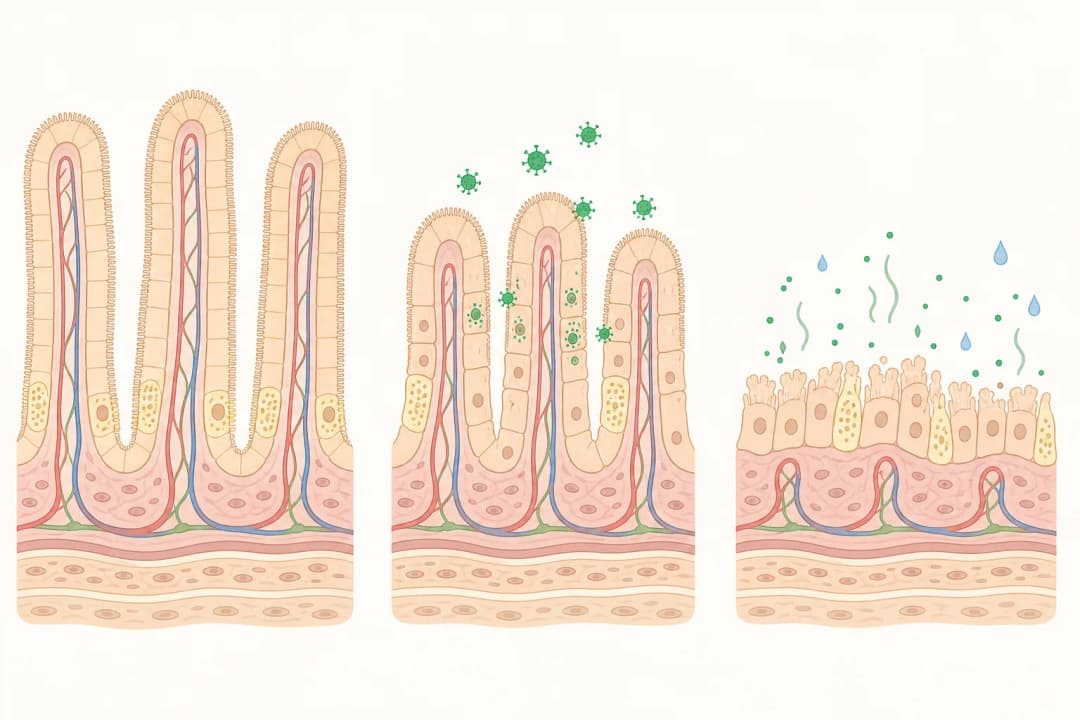
Rotavirus can cause repeated watery stools and vomiting, with infants and young children especially vulnerable to fluid loss. Oral rehydration solution combines water with electrolytes and glucose in a formulation that supports absorption through the intestine. It does not stop rotavirus or replace an examination when dehydration is advanced. Improvement in alertness, drinking and urination are reassuring signs, but continue monitoring.
Practical steps
Prepare the solution exactly according to the packet instructions, using the stated amount of safe water. Offer small sips or spoonfuls often; if vomiting occurs, restart slowly after a short pause. Continue breast milk or the child’s usual suitable feeds. Do not dilute the solution or add extra sugar or salt. Keep a record of drinking and wet nappies, and read more in Oral Rehydration Therapy.
When to seek care
Seek urgent assessment if a child is difficult to wake, unusually floppy, confused, unable to drink, vomiting every attempt, or passing very little urine. A sunken appearance around the eyes, a dry mouth, cold hands or worsening weakness also warrants prompt medical advice. Blood in stool, severe abdominal swelling or breathing difficulty requires urgent care. Further context is available in Rotavirus Infection.
Questions for your doctor
Ask how much fluid your child needs, how to judge wet nappies or urine, and whether any current medicine should be paused. Ask when feeding can return to normal and which dehydration signs mean you should go straight to emergency care.
Find care
General Clinics & Polyclinics in Abu Dhabi
That answer is general. If you want it applied to your own case, these are licensed general clinics & polyclinics listed in Abu Dhabi.
27 Ar Ruwwad St - Shakhbout City - MSH4 - Abu Dhabi - United Arab Emirates
Accepts: Daman, Thiqa, Cigna, MetLife +20 more
Al Ruwais, Al Dhafrah
Accepts: Daman, Thiqa, AXA, Cigna +16 more
Al Bahyah - Al Bahyah Old - Abu Dhabi - United Arab Emirates
Accepts: Daman, Thiqa, Cigna, Allianz Care +18 more
Abu Dhabi
Accepts: Daman, Thiqa, AXA, Cigna +27 more
Ordered by verification status and how complete each clinic's public record is, then alphabetically. This is a directory listing, not a ranking — Zavis does not rate or recommend providers.
A factual listing drawn from the DHA, DOH and MOHAP licence registers. It is not a referral, an endorsement, or advice that any of these providers is right for you.
Questions people ask
Can a baby continue breastfeeding?
Breastfeeding can usually continue alongside oral rehydration, but ask a clinician for advice if the baby is vomiting repeatedly or showing dehydration signs.
Does the solution stop diarrhoea?
No. It replaces losses and protects against dehydration while the infection settles; it does not remove rotavirus or directly stop every stool.
Related
Related reading
Keep reading
Medical disclaimer. This page is general health information, not medical advice, and it cannot diagnose you. Always consult a licensed healthcare provider about your own symptoms and treatment. In an emergency in the UAE, call 998 for an ambulance.