
How effective is IVF for polycystic ovary syndrome?
Short answer
IVF can help with PCOS-related infertility, especially when ovulation treatments have not worked, but the plan must be tailored carefully.
This answers one question. It is not a diagnosis and does not replace an assessment by a licensed doctor.
At a glance
- Main fertility effect
- PCOS can cause irregular or absent ovulation.
- IVF focus
- Stimulation and monitoring are adjusted to the ovarian response.
- Other influences
- Age, embryos, sperm, the uterus and general health also affect outcome.
How PCOS changes IVF planning
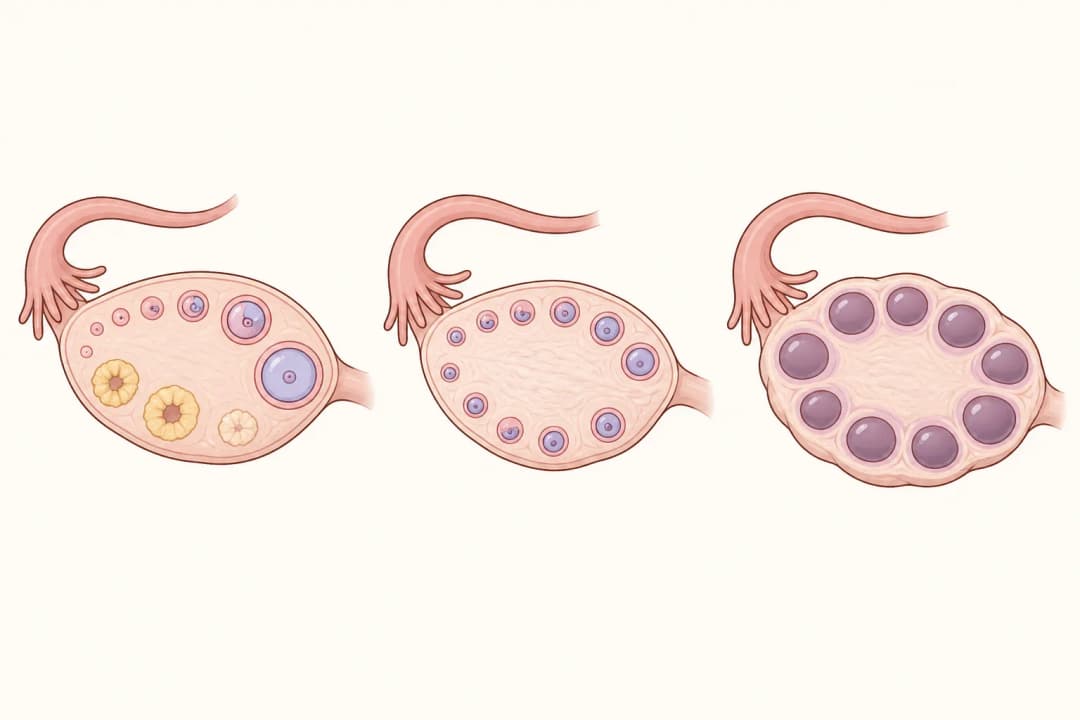
PCOS can disrupt regular ovulation, making it harder to identify fertile days or release an egg consistently. IVF stimulates the ovaries so eggs can be collected and fertilised in a planned setting. Some people with PCOS produce many follicles during stimulation, so the clinic adjusts medicines and monitoring to reduce the chance of an excessive ovarian response. Pregnancy outcome also depends on age, egg and embryo development, sperm, the uterine lining and other health factors. Having PCOS does not by itself determine the result.
Preparing for IVF with PCOS
Review your cycle pattern, medicines, metabolic health and previous ovulation treatment with the fertility team. Ask how the clinic will monitor follicle growth, adjust stimulation and decide whether a fresh or frozen embryo transfer is appropriate. Discuss prevention and warning signs of ovarian hyperstimulation, along with practical advice about injections, appointments and recovery. The team may also address blood pressure, glucose concerns and weight in a respectful, individualised way before treatment begins.
When to contact the clinic
Seek fertility advice when irregular ovulation is making conception difficult, or when previous treatment has not helped. During stimulation, report worsening abdominal swelling, severe pain, vomiting, reduced urination, breathing difficulty or sudden weight change. After collection or transfer, urgent assessment is needed for severe pain, faintness, heavy bleeding or shortness of breath. These symptoms can indicate ovarian hyperstimulation or another complication and need direct clinical review.
Questions for your doctor
How might PCOS affect my stimulation plan? What monitoring will I need? How will you reduce the chance of an excessive ovarian response? Should we consider a frozen transfer? Which symptoms mean I should call the clinic immediately?
Find care
General Clinics & Polyclinics in Abu Dhabi
That answer is general. If you want it applied to your own case, these are licensed general clinics & polyclinics listed in Abu Dhabi.
27 Ar Ruwwad St - Shakhbout City - MSH4 - Abu Dhabi - United Arab Emirates
Accepts: Daman, Thiqa, Cigna, MetLife +20 more
Al Ruwais, Al Dhafrah
Accepts: Daman, Thiqa, AXA, Cigna +16 more
Al Bahyah - Al Bahyah Old - Abu Dhabi - United Arab Emirates
Accepts: Daman, Thiqa, Cigna, Allianz Care +18 more
Abu Dhabi
Accepts: Daman, Thiqa, AXA, Cigna +27 more
Ordered by verification status and how complete each clinic's public record is, then alphabetically. This is a directory listing, not a ranking — Zavis does not rate or recommend providers.
A factual listing drawn from the DHA, DOH and MOHAP licence registers. It is not a referral, an endorsement, or advice that any of these providers is right for you.
Questions people ask
Is IVF the first treatment for PCOS-related infertility?
Not always. The next step depends on ovulation, other fertility findings, previous treatment and personal priorities.
Why does PCOS require close monitoring during IVF?
The ovaries may respond strongly to stimulation, so medicine and monitoring can be adjusted for safety.
Related
Related reading
Keep reading
Medical disclaimer. This page is general health information, not medical advice, and it cannot diagnose you. Always consult a licensed healthcare provider about your own symptoms and treatment. In an emergency in the UAE, call 998 for an ambulance.