
How effective is GP consultation for meningitis?
Short answer
A GP consultation can recognise possible meningitis and arrange urgent hospital assessment, but it cannot replace emergency treatment.
This answers one question. It is not a diagnosis and does not replace an assessment by a licensed doctor.
At a glance
- Main role
- Recognise warning signs and arrange urgent escalation
- Typical next step
- Hospital assessment when meningitis is suspected
What the consultation can achieve
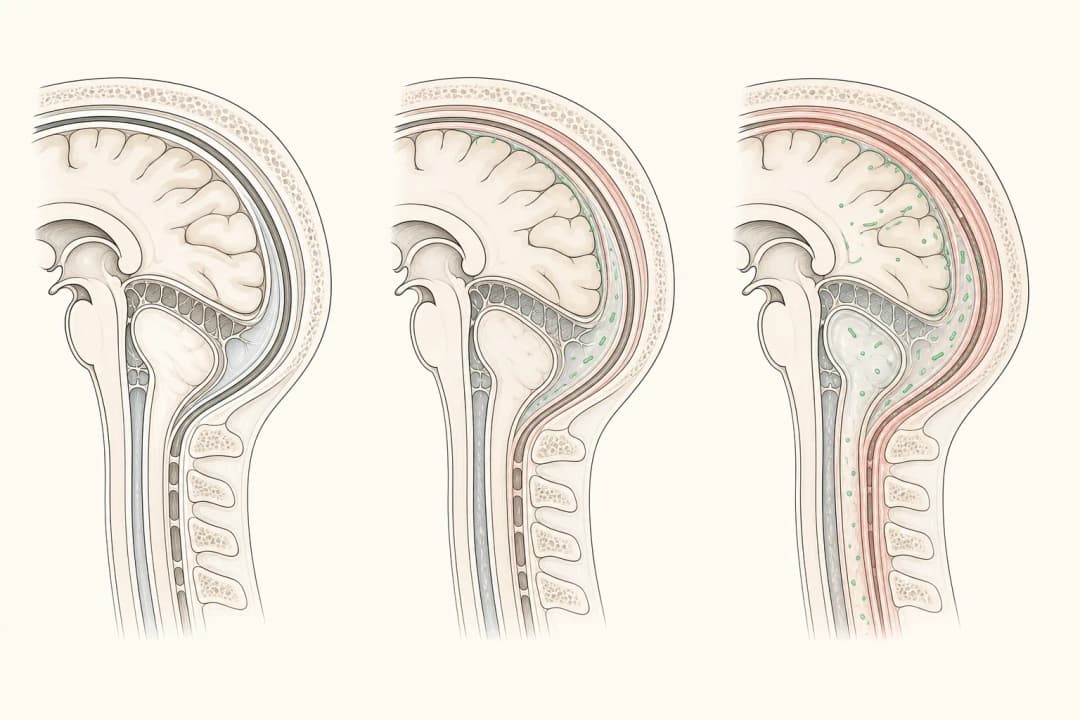
Meningitis involves inflammation around the brain and spinal cord. A GP can ask when symptoms began, examine you, check vital signs and look for features such as fever, severe headache, neck stiffness, vomiting, light sensitivity, confusion or a rash. These findings help decide how urgently you need hospital assessment. A GP may contact emergency services or the hospital directly rather than asking you to wait for a routine appointment.
The consultation is useful for recognition, immediate safety advice and referral. Tests and treatment decisions are generally made in hospital because bacterial meningitis can worsen quickly and may need intravenous medicines and close monitoring. A normal-looking rash or an early examination does not safely rule out meningitis.
What to do now
If meningitis is a concern, seek urgent medical help rather than booking a routine review. Tell the clinician about fever, headache, neck stiffness, drowsiness, seizures, a rash, recent infection or contact with someone who was unwell. Do not drive yourself if you are confused, faint, very weak or deteriorating. Keep the person supervised, follow emergency instructions and take a list of medicines and allergies if this does not delay help.
When to seek emergency care
Call emergency services immediately for a person who is difficult to wake, confused, having a seizure, breathing abnormally, collapsing or developing a rapidly spreading rash with fever. Severe headache with neck stiffness, repeated vomiting or marked light sensitivity also needs urgent assessment. Symptoms can appear in different combinations, so do not wait for every sign to be present.
Questions for your doctor
Ask: Which symptoms make meningitis more concerning? Do I need hospital assessment now? What changes should prompt an emergency call? Should close contacts receive specific advice? Which medicines should be avoided or continued while I am being assessed?
Find care
General Clinics & Polyclinics in Abu Dhabi
That answer is general. If you want it applied to your own case, these are licensed general clinics & polyclinics listed in Abu Dhabi.
27 Ar Ruwwad St - Shakhbout City - MSH4 - Abu Dhabi - United Arab Emirates
Accepts: Daman, Thiqa, Cigna, MetLife +20 more
Al Ruwais, Al Dhafrah
Accepts: Daman, Thiqa, AXA, Cigna +16 more
Al Bahyah - Al Bahyah Old - Abu Dhabi - United Arab Emirates
Accepts: Daman, Thiqa, Cigna, Allianz Care +18 more
Abu Dhabi
Accepts: Daman, Thiqa, AXA, Cigna +27 more
Ordered by verification status and how complete each clinic's public record is, then alphabetically. This is a directory listing, not a ranking — Zavis does not rate or recommend providers.
A factual listing drawn from the DHA, DOH and MOHAP licence registers. It is not a referral, an endorsement, or advice that any of these providers is right for you.
Questions people ask
Can a GP diagnose meningitis during a consultation?
A GP can identify concerning features and arrange urgent assessment, but hospital tests may be needed to confirm the cause.
Should I wait for a rash before seeking help?
No. Meningitis may not begin with a rash, so urgent help is needed for concerning symptoms such as severe headache, fever, neck stiffness or confusion.
Related
Related reading
Keep reading
Medical disclaimer. This page is general health information, not medical advice, and it cannot diagnose you. Always consult a licensed healthcare provider about your own symptoms and treatment. In an emergency in the UAE, call 998 for an ambulance.