
How effective is a diabetes education programme for type 2 diabetes?
Short answer
A diabetes education programme can support better type 2 diabetes self-management by turning treatment advice into practical habits that are reviewed over time.
This answers one question. It is not a diagnosis and does not replace an assessment by a licensed doctor.
At a glance
- Focus
- Skills for food, movement, medicines and monitoring
- Personalisation
- Advice should match your treatment and routine
- Medicine changes
- Discuss them with your clinician
What it can help with
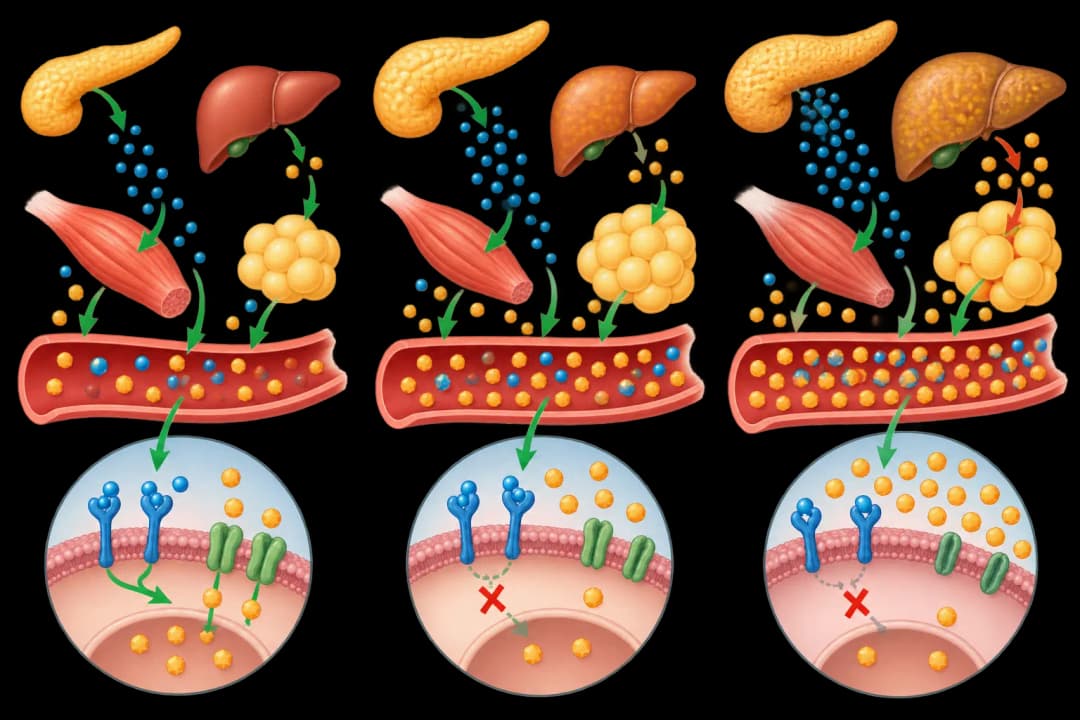
Type 2 diabetes affects how the body uses insulin and glucose. Education can explain what your readings mean, how medicines fit with meals, how movement affects glucose, and how to recognise low or high glucose when these are possible with your treatment. It may also cover foot care, weight goals, sleep, emotional wellbeing and planning for travel or illness.
The programme is most useful when it reflects your medicines, food preferences, work pattern, culture and access to monitoring. It supports informed choices; it does not promise that one approach will suit everyone or that medicine will no longer be needed.
Ways to use the learning
Bring your glucose records, medicine list and a typical food or activity routine. Choose one realistic change at a time, such as learning how a meal affects your reading or building movement into the day. Do not stop or alter prescribed medicine because a reading improves without discussing it. Arrange review when readings change, side effects appear or your routine becomes different.
When to seek urgent care
Get urgent help for fainting, severe confusion, a seizure, breathing difficulty, or vomiting with marked weakness or dehydration. Contact your clinician promptly if glucose stays very high or low, you have repeated symptoms of low glucose, or you cannot take fluids or medicines during illness. Follow your personal sick-day instructions if you have them.
Questions for your doctor
Ask which education format matches your treatment, whether you need home glucose checks, what targets are personal to you, how to handle illness, and when your medicines and learning should be reviewed.
Find care
General Clinics & Polyclinics in Abu Dhabi
That answer is general. If you want it applied to your own case, these are licensed general clinics & polyclinics listed in Abu Dhabi.
27 Ar Ruwwad St - Shakhbout City - MSH4 - Abu Dhabi - United Arab Emirates
Accepts: Daman, Thiqa, Cigna, MetLife +20 more
Al Ruwais, Al Dhafrah
Accepts: Daman, Thiqa, AXA, Cigna +16 more
Al Bahyah - Al Bahyah Old - Abu Dhabi - United Arab Emirates
Accepts: Daman, Thiqa, Cigna, Allianz Care +18 more
Abu Dhabi
Accepts: Daman, Thiqa, AXA, Cigna +27 more
Ordered by verification status and how complete each clinic's public record is, then alphabetically. This is a directory listing, not a ranking — Zavis does not rate or recommend providers.
A factual listing drawn from the DHA, DOH and MOHAP licence registers. It is not a referral, an endorsement, or advice that any of these providers is right for you.
Questions people ask
Will education cure type 2 diabetes?
Education does not cure diabetes, but it can help you make informed daily choices and use treatment more safely.
Can I attend if I do not check glucose at home?
Yes. The team can explain whether monitoring is useful for your treatment and teach other ways to notice problems.
Related
Related reading
Keep reading
Medical disclaimer. This page is general health information, not medical advice, and it cannot diagnose you. Always consult a licensed healthcare provider about your own symptoms and treatment. In an emergency in the UAE, call 998 for an ambulance.