
How does abscess drainage work?
Short answer
Abscess drainage works by numbing the area, making a small opening, releasing trapped pus, and helping the cavity heal with aftercare and review.
This answers one question. It is not a diagnosis and does not replace an assessment by a licensed doctor.
At a glance
- Purpose
- Release trapped pus and reduce pressure
- Numbing
- Local anaesthetic may reduce pain during the procedure
- Follow-up
- Dressing care and review support healing
What happens during the procedure
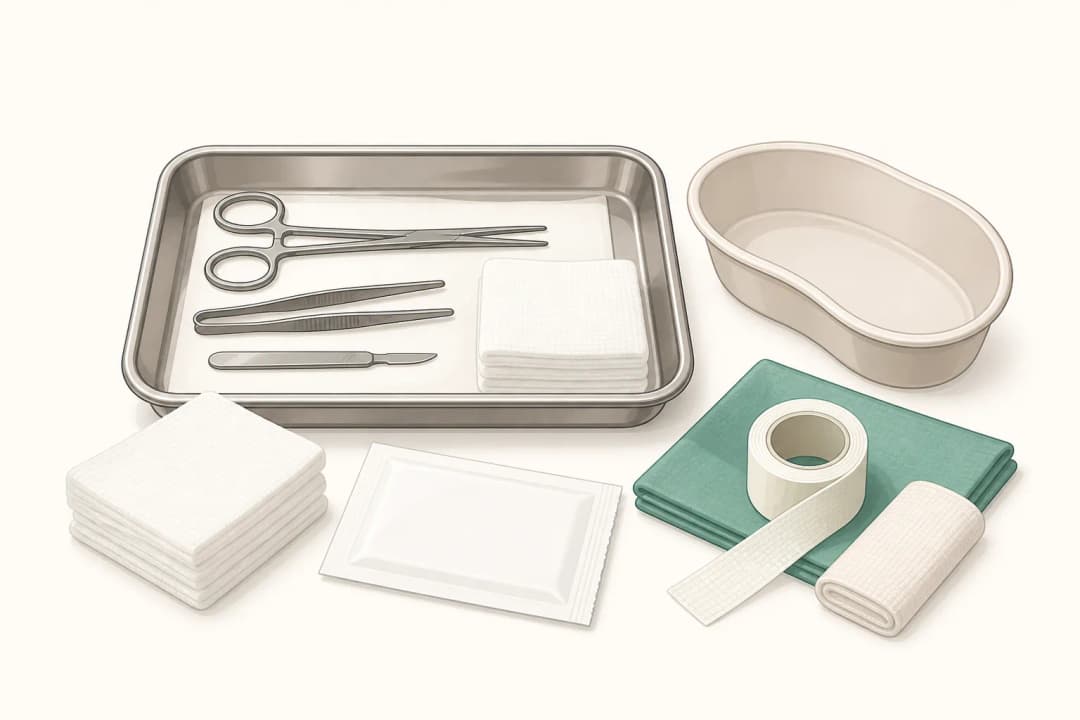
A clinician examines the swollen area and cleans the skin. Local anaesthetic such as lidocaine may be used to numb the site, although pressure or movement can still be felt. The clinician makes a small opening where appropriate, allows the pus to drain, and may gently clear the cavity. The wound may be left partly open so further fluid can escape; a dressing is then applied.
Drainage is different from squeezing a lump at home. Squeezing can injure surrounding skin or push infection deeper. Some swellings are cysts, cellulitis or another problem rather than a drainable abscess, so examination matters. Antibiotics may be considered when infection has spread or other risk factors are present, but they do not replace drainage when a collection needs to empty.
After drainage
Follow the dressing and washing instructions, keep review appointments, and take prescribed medicines as directed. Wash your hands before and after touching the dressing, avoid picking at the opening, and use pain relief only as advised for you. Keep pressure and friction away from the area while it heals. Do not share towels, razors or dressings, and wash clothing or linens that become contaminated with drainage.
Some soreness or a small amount of drainage can occur after the procedure. The wound should be checked if pain, swelling, redness or discharge is increasing rather than settling.
When to seek urgent help
Seek prompt medical care for spreading redness, red streaks, fever, chills, worsening pain, increasing swelling, foul-smelling drainage, or feeling increasingly unwell. Get urgent help for facial swelling near the eye, difficulty breathing or swallowing, or confusion. Contact the treating clinic if the dressing is soaked, falls out when it was meant to stay in place, or the wound stops draining while pressure and swelling build.
Questions for your doctor
Ask whether the swelling is suitable for drainage, what anaesthetic will be used, how the wound will be dressed, when it needs review, and which signs suggest infection is spreading. Ask whether you need testing, antibiotics, activity restrictions or advice to prevent recurrence.
Find care
General Clinics & Polyclinics in Abu Dhabi
That answer is general. If you want it applied to your own case, these are licensed general clinics & polyclinics listed in Abu Dhabi.
27 Ar Ruwwad St - Shakhbout City - MSH4 - Abu Dhabi - United Arab Emirates
Accepts: Daman, Thiqa, Cigna, MetLife +20 more
Al Ruwais, Al Dhafrah
Accepts: Daman, Thiqa, AXA, Cigna +16 more
Al Bahyah - Al Bahyah Old - Abu Dhabi - United Arab Emirates
Accepts: Daman, Thiqa, Cigna, Allianz Care +18 more
Abu Dhabi
Accepts: Daman, Thiqa, AXA, Cigna +27 more
Ordered by verification status and how complete each clinic's public record is, then alphabetically. This is a directory listing, not a ranking — Zavis does not rate or recommend providers.
A factual listing drawn from the DHA, DOH and MOHAP licence registers. It is not a referral, an endorsement, or advice that any of these providers is right for you.
Questions people ask
Can I drain an abscess myself?
No. A clinician should assess the swelling and drain it safely when appropriate; squeezing it can worsen injury or infection.
Will antibiotics always be needed after drainage?
Not always. The decision depends on the examination, spread of infection and your individual health risks.
Related
Related reading
Keep reading
Medical disclaimer. This page is general health information, not medical advice, and it cannot diagnose you. Always consult a licensed healthcare provider about your own symptoms and treatment. In an emergency in the UAE, call 998 for an ambulance.