
How common is jaundice in hepatitis A?
Short answer
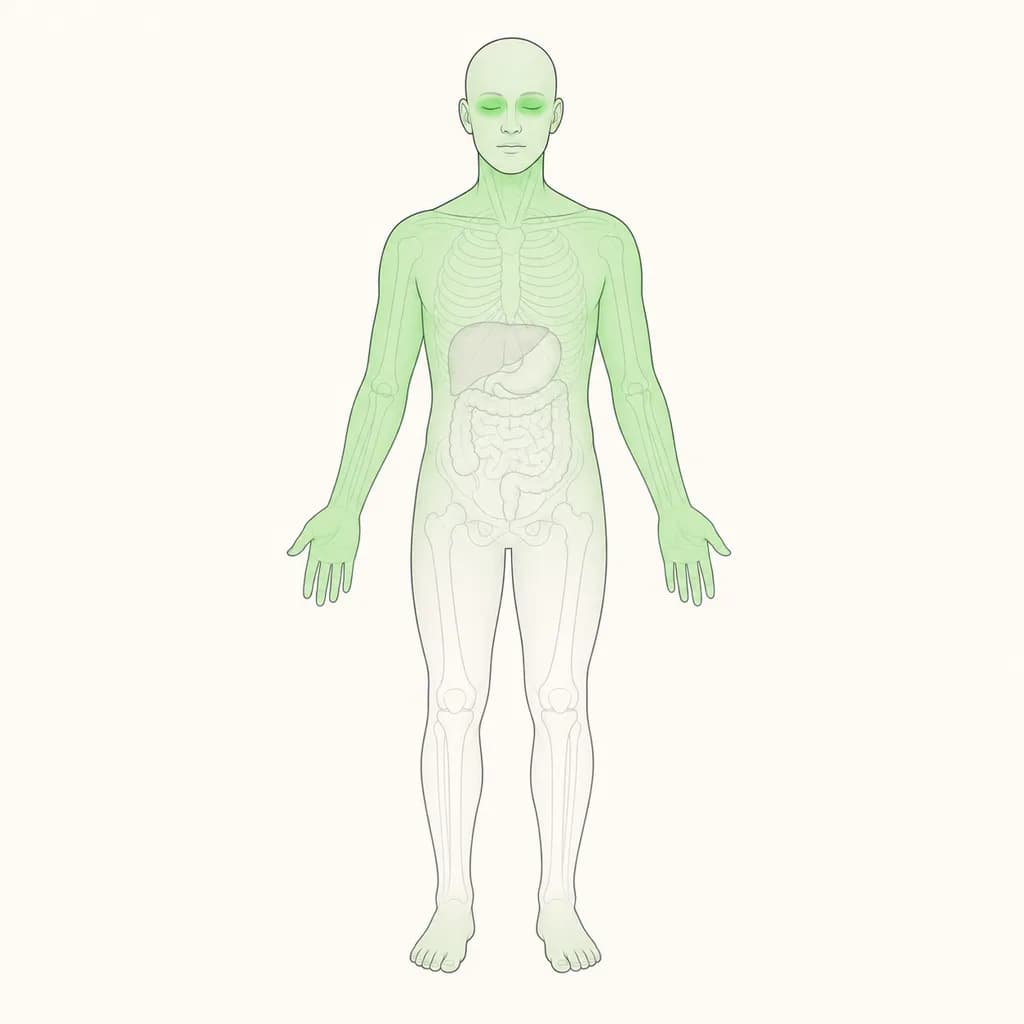
Jaundice is a very common presentation of Hepatitis A, although symptoms can vary between people.
This answers one question. It is not a diagnosis and does not replace an assessment by a licensed doctor.
At a glance
- Pattern
- Very common during symptomatic Hepatitis A
- Related changes
- Dark urine, pale stools, nausea, tiredness, or reduced appetite
- Helpful first step
- Medical review with liver blood tests
What this can mean
Hepatitis A inflames the liver and can interfere with the normal handling and flow of bilirubin. This may turn the eyes or skin yellow and make urine darker than usual. Tiredness, reduced appetite, nausea, discomfort under the ribs, fever, or pale stools may appear before or alongside the colour change. Some people have mild illness or no obvious jaundice, so the absence of yellowing does not exclude infection.
What to do next
Arrange a medical review if you develop yellow eyes or skin, especially after feeling unwell or having dark urine. Diagnosis may involve an examination and blood tests that assess liver inflammation and confirm the cause. Rest, drink fluids as tolerated, and avoid alcohol. Check with a clinician before taking medicines or supplements because an inflamed liver may handle them differently. Follow local public-health advice about hygiene and close contacts.
When to seek urgent care
Get urgent help for confusion, unusual sleepiness, bleeding, severe abdominal pain, repeated vomiting, dehydration, or rapidly worsening jaundice. A person who cannot keep fluids down, passes very little urine, or becomes difficult to wake needs immediate assessment. Children, older adults, pregnant people, and those with existing liver disease should seek advice early.
Questions for your doctor
Ask which tests confirm Hepatitis A, how to protect household contacts, which medicines and foods to avoid, and when you can return to work or school. Ask what changes in urine, stools, alertness, or hydration should prompt urgent review.
Find care
General Clinics & Polyclinics in Abu Dhabi
That answer is general. If you want it applied to your own case, these are licensed general clinics & polyclinics listed in Abu Dhabi.
27 Ar Ruwwad St - Shakhbout City - MSH4 - Abu Dhabi - United Arab Emirates
Accepts: Daman, Thiqa, Cigna, MetLife +20 more
Al Ruwais, Al Dhafrah
Accepts: Daman, Thiqa, AXA, Cigna +16 more
Al Bahyah - Al Bahyah Old - Abu Dhabi - United Arab Emirates
Accepts: Daman, Thiqa, Cigna, Allianz Care +18 more
Abu Dhabi
Accepts: Daman, Thiqa, AXA, Cigna +27 more
Ordered by verification status and how complete each clinic's public record is, then alphabetically. This is a directory listing, not a ranking — Zavis does not rate or recommend providers.
A factual listing drawn from the DHA, DOH and MOHAP licence registers. It is not a referral, an endorsement, or advice that any of these providers is right for you.
Questions people ask
Can Hepatitis A occur without jaundice?
Yes. Some people have mild symptoms or no obvious yellowing, so testing and clinical assessment may still be needed.
What should I avoid while recovering?
Avoid alcohol and check every medicine or supplement with a clinician, because liver inflammation can affect how products are handled.
Related
Related reading
Keep reading
Medical disclaimer. This page is general health information, not medical advice, and it cannot diagnose you. Always consult a licensed healthcare provider about your own symptoms and treatment. In an emergency in the UAE, call 998 for an ambulance.