
How common are irregular periods in hyperprolactinaemia?
Short answer
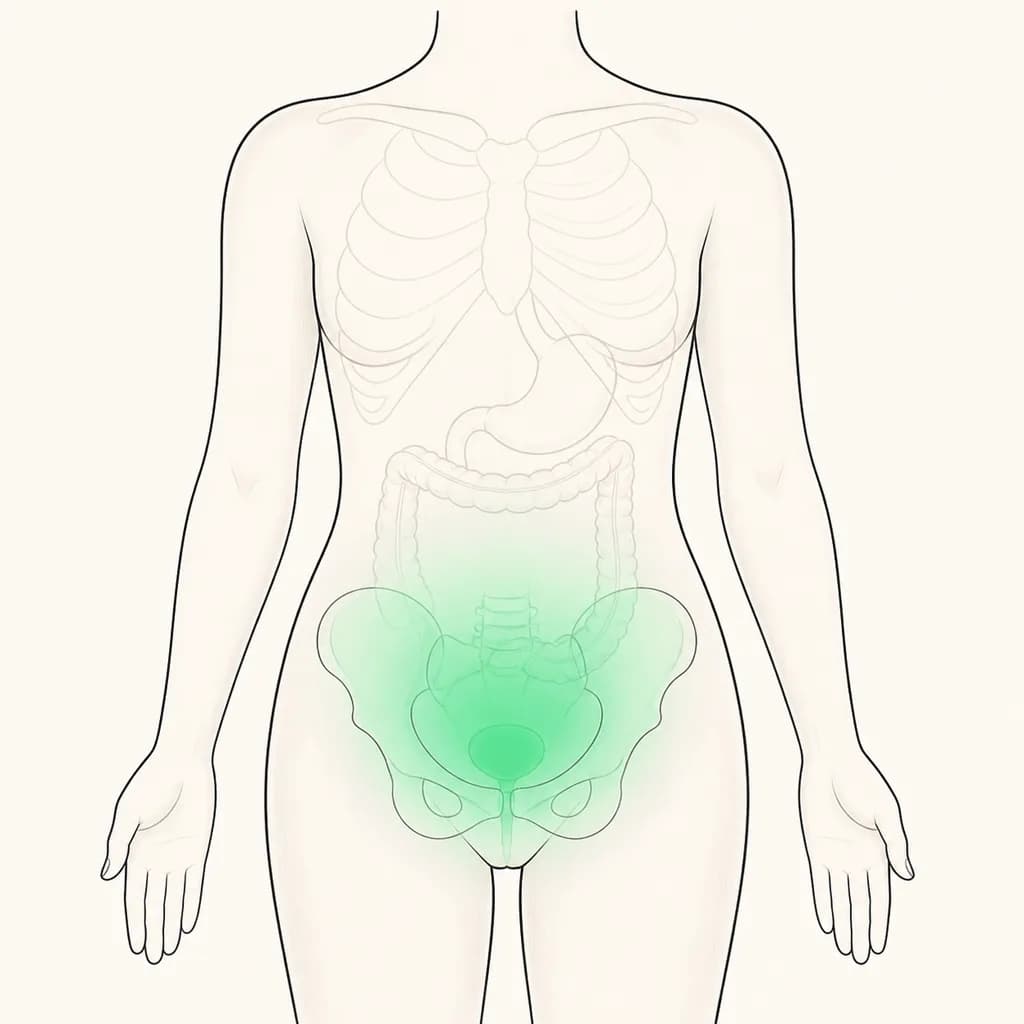
Irregular Periods is a common presentation of Hyperprolactinaemia. A raised prolactin level can interfere with the signals that coordinate ovulation, which may make periods less predictable, lighter, farther apart, or absent.
This answers one question. It is not a diagnosis and does not replace an assessment by a licensed doctor.
At a glance
- Presentation
- Common with hyperprolactinaemia
- Hormone link
- Prolactin can disrupt ovulation signals
- Track
- Bleeding, discharge, headaches, and vision
How prolactin affects cycles
Hyperprolactinaemia means prolactin is higher than expected. The change may be linked with breast milk leakage when not breastfeeding, breast tenderness, reduced sexual desire, or difficulty conceiving, although some people have no obvious symptoms. Medicines, thyroid problems, pregnancy, and conditions affecting the pituitary gland can influence prolactin. One irregular cycle does not establish the cause.
What to do next
Keep a record of period dates, flow, spotting, headaches, vision changes, and any nipple discharge. Tell your clinician about every medicine and supplement, including medicines for mood or nausea, because some can affect prolactin. A clinician may repeat a blood test under suitable conditions and investigate related hormones or the pituitary when the history calls for it. Do not stop prescribed medicine without advice.
When to seek care
Get urgent medical help for a sudden severe headache, new vision loss, fainting, or severe pelvic pain with bleeding. Arrange prompt assessment for persistent milk discharge when not breastfeeding, repeated missed periods, or headaches with visual symptoms. Heavy bleeding, weakness, or possible pregnancy with pain or bleeding also needs timely care.
Questions for your doctor
Could any of my medicines affect prolactin? Should the prolactin test be repeated? Do my headaches or vision symptoms change the assessment? What other reasons for irregular periods should we consider?
Find care
General Clinics & Polyclinics in Abu Dhabi
That answer is general. If you want it applied to your own case, these are licensed general clinics & polyclinics listed in Abu Dhabi.
27 Ar Ruwwad St - Shakhbout City - MSH4 - Abu Dhabi - United Arab Emirates
Accepts: Daman, Thiqa, Cigna, MetLife +20 more
Al Ruwais, Al Dhafrah
Accepts: Daman, Thiqa, AXA, Cigna +16 more
Al Bahyah - Al Bahyah Old - Abu Dhabi - United Arab Emirates
Accepts: Daman, Thiqa, Cigna, Allianz Care +18 more
Abu Dhabi
Accepts: Daman, Thiqa, AXA, Cigna +27 more
Ordered by verification status and how complete each clinic's public record is, then alphabetically. This is a directory listing, not a ranking — Zavis does not rate or recommend providers.
A factual listing drawn from the DHA, DOH and MOHAP licence registers. It is not a referral, an endorsement, or advice that any of these providers is right for you.
Questions people ask
Can hyperprolactinaemia stop periods?
It can interfere with ovulation and lead to missed periods in some people, while others notice lighter or widely spaced bleeding.
Is nipple discharge always present?
No. Some people with raised prolactin have no breast discharge, so cycle changes still deserve assessment when persistent.
Related
Related reading
Keep reading
Medical disclaimer. This page is general health information, not medical advice, and it cannot diagnose you. Always consult a licensed healthcare provider about your own symptoms and treatment. In an emergency in the UAE, call 998 for an ambulance.