
How common is change in bowel habits in immunotherapy side effects?
Short answer
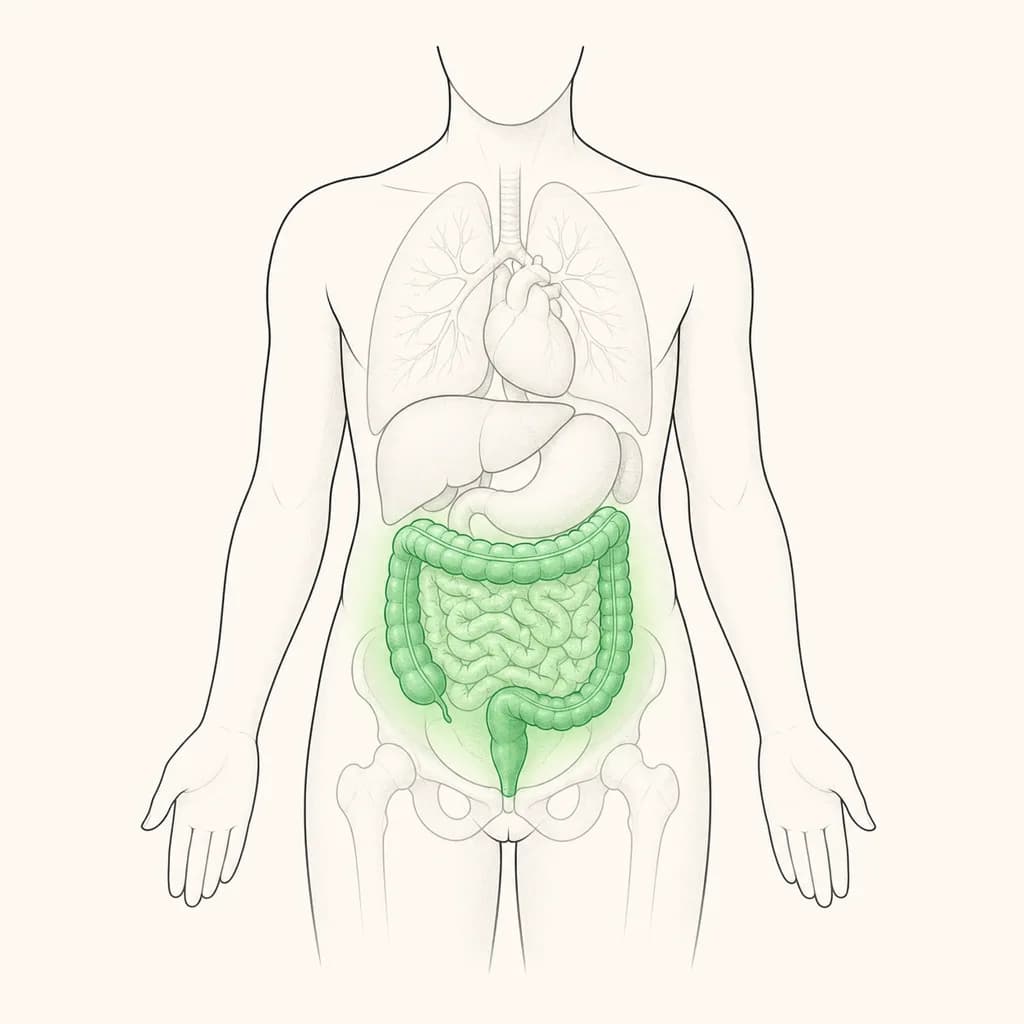
Change in Bowel Habits is a common presentation of Immunotherapy Side Effects. Diarrhoea, looser stools, urgency, cramps, or a new change from your usual pattern can reflect inflammation in the bowel during or after immunotherapy.
This answers one question. It is not a diagnosis and does not replace an assessment by a licensed doctor.
At a glance
- Report promptly
- Any new bowel change during or after immunotherapy
- Track
- Frequency, appearance, urgency, pain, fever, and blood
What this pattern can mean
Immune-based cancer treatment can activate immune cells against healthy tissues as well as cancer cells. When the bowel is affected, symptoms may range from mild changes in stool to frequent diarrhoea, abdominal pain, or blood or mucus in the stool.
Infection, antibiotics, diet, stress, and other medicines can cause similar symptoms. Timing and severity matter, but the symptom alone cannot confirm an immune-related reaction. Your oncology team may ask about bowel movements and arrange tests before recommending treatment changes.
What to do now
Contact your oncology team promptly about any new bowel change during or after immunotherapy, even if it seems mild. Record when it began, stool frequency and appearance, urgency, pain, fever, blood, and what you can drink.
Take only the medicines advised by your treatment team. Do not stop immunotherapy or begin anti-diarrhoeal treatment without instructions, because the safest approach depends on the suspected cause and severity. Keep drinking fluids unless a clinician has restricted them.
When to seek care
Seek urgent care for severe or rapidly increasing diarrhoea, inability to keep fluids down, dizziness or fainting, severe abdominal pain, fever, black stools, or visible blood. Tell the team that you are receiving or recently received immunotherapy.
Questions for your doctor
Ask whether your symptoms could be immune-related, which warning signs require emergency help, and what to record at home. Ask whether you should change food, fluids, or medicines while the team investigates.
Questions people ask
Can bowel side effects start after treatment has finished?
Yes. Immune-related symptoms can appear during treatment or after a dose, so report a new bowel change even when your last treatment was not recent.
Should I take an anti-diarrhoeal medicine?
Ask your oncology team first. They may need to check for an immune-related reaction or infection before advising symptom treatment.
Keep reading
Cancer care in the UAE
Hospitals & Medical Centers in Abu Dhabi
Most UAE cancer care is delivered inside hospital services rather than by standalone oncology clinics, so these are licensed hospitals & medical centers listed in Abu Dhabi. Confirm the specific cancer service exists before you travel, and know that asking for a second opinion is routine.
Ahalia Hospital Musaffah Building - Musaffah - Musaffah Industrial - Abu Dhabi - United Arab Emirates
Accepts: Daman, Thiqa, AXA, Cigna +26 more
Al Ruwais Industrial City - Abu Dhabi - United Arab Emirates
Accepts: Daman, Thiqa, AXA, Cigna +30 more
Abu Dhabi, Abu Dhabi
Accepts: Daman, Thiqa, AXA, Cigna +30 more
Second opinions are routine in cancer care and asking for one does not affect your treatment. How to arrange a second opinion in the UAE.
Ordered by verification status and how complete each clinic's public record is, then alphabetically. This is a directory listing, not a ranking — Zavis does not rate or recommend providers.
A factual listing drawn from the DHA, DOH and MOHAP licence registers. It is not a referral, an endorsement, or advice that any of these providers is right for you.
Medical disclaimer. This page is general health information, not medical advice, and it cannot diagnose you. Always consult a licensed healthcare provider about your own symptoms and treatment. In an emergency in the UAE, call 998 for an ambulance.