
Home treatment for drug allergies
Short answer
Home treatment for a suspected drug allergy means stopping the suspected medicine only with appropriate medical advice, recording the reaction, and seeking urgent help for breathing or circulation symptoms.
This answers one question. It is not a diagnosis and does not replace an assessment by a licensed doctor.
At a glance
- Record
- Medicine, timing, symptoms, and treatment
- Avoid
- Rechallenging the medicine without supervision
- Emergency sign
- Breathing difficulty or facial swelling
What a drug allergy can look like
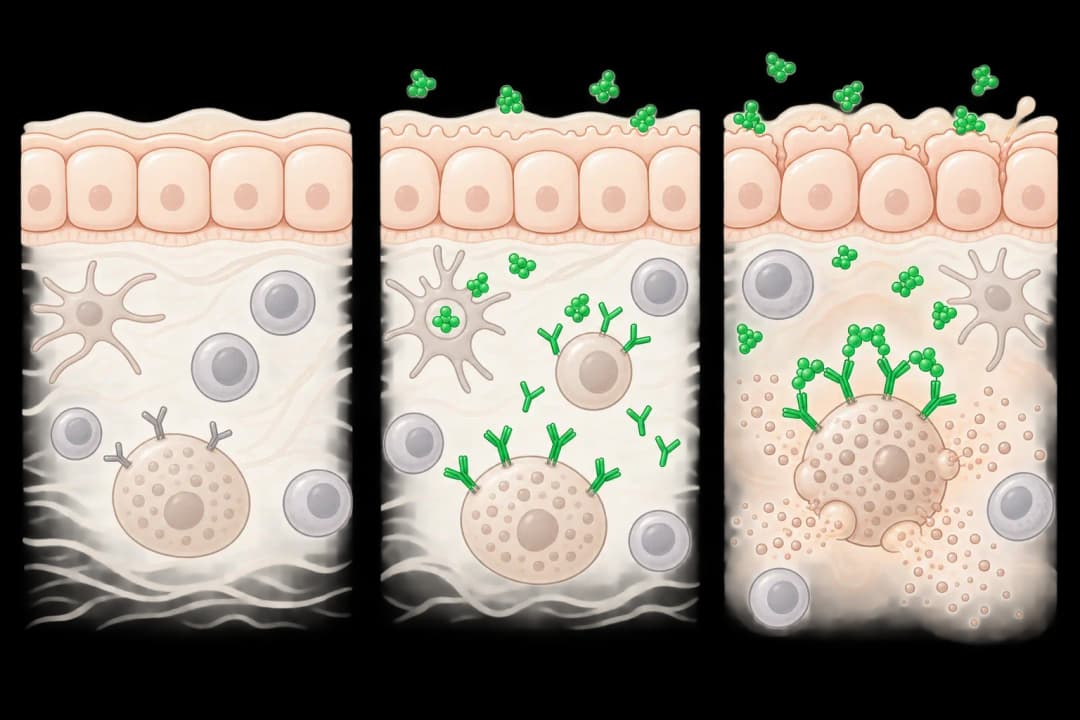
A drug allergy is an immune reaction to a medicine. It may cause an itchy rash, raised welts, swelling of the lips or face, vomiting, cough, wheeze, dizziness, or faintness. Side effects such as nausea do not always indicate an allergy, so the timing and pattern matter.
Write down the medicine name, dose, time taken, symptoms, and how quickly they appeared. Keep the packet or prescription available. Do not test the medicine again at home, even if the first reaction seemed mild.
What you can do now
Contact a GP or pharmacist promptly for advice about the suspected medicine and any safe alternative. Do not stop an essential long-term medicine without guidance unless emergency services tell you to. A clinician may advise an antihistamine for a mild skin reaction, but use only a product suitable for you and follow its label.
Tell every healthcare professional about the suspected reaction. Assessment may clarify whether the problem was an allergy, an expected side effect, or another illness. Allergy testing can sometimes help, but it is not suitable for every medicine.
When to seek urgent care
Call emergency services immediately for trouble breathing, throat or tongue swelling, widespread hives with weakness, repeated vomiting, confusion, or faintness. These can be signs of anaphylaxis and can worsen quickly. If you have an adrenaline auto-injector prescribed for you, use it as directed and call emergency services.
Questions to take to an appointment
Ask which medicine should be avoided, whether related medicines are also a concern, what to use for future pain or infection, and whether an allergy record or testing is appropriate.
Find care
General Clinics & Polyclinics in Abu Dhabi
That answer is general. If you want it applied to your own case, these are licensed general clinics & polyclinics listed in Abu Dhabi.
27 Ar Ruwwad St - Shakhbout City - MSH4 - Abu Dhabi - United Arab Emirates
Accepts: Daman, Thiqa, Cigna, MetLife +20 more
Al Ruwais, Al Dhafrah
Accepts: Daman, Thiqa, AXA, Cigna +16 more
Al Bahyah - Al Bahyah Old - Abu Dhabi - United Arab Emirates
Accepts: Daman, Thiqa, Cigna, Allianz Care +18 more
Abu Dhabi
Accepts: Daman, Thiqa, AXA, Cigna +27 more
Ordered by verification status and how complete each clinic's public record is, then alphabetically. This is a directory listing, not a ranking — Zavis does not rate or recommend providers.
A factual listing drawn from the DHA, DOH and MOHAP licence registers. It is not a referral, an endorsement, or advice that any of these providers is right for you.
Questions people ask
Should I stop the medicine?
Seek prompt advice; do not stop an essential medicine without guidance unless emergency services direct you to.
Can a mild rash become serious?
It can change, so watch for swelling, breathing difficulty, dizziness, or widespread symptoms and seek emergency help if they occur.
Related
Related reading
Keep reading
Medical disclaimer. This page is general health information, not medical advice, and it cannot diagnose you. Always consult a licensed healthcare provider about your own symptoms and treatment. In an emergency in the UAE, call 998 for an ambulance.