
What should you know about hives from pet dander?
Short answer
Hives after contact with a pet may reflect an allergic response to animal proteins carried in dander, saliva, or fur.
This answers one question. It is not a diagnosis and does not replace an assessment by a licensed doctor.
At a glance
- Possible sources
- Dander, saliva, or fur
- Helpful clue
- Timing after contact
- Immediate step
- Leave the area and wash exposed skin
Why a pet encounter may cause welts
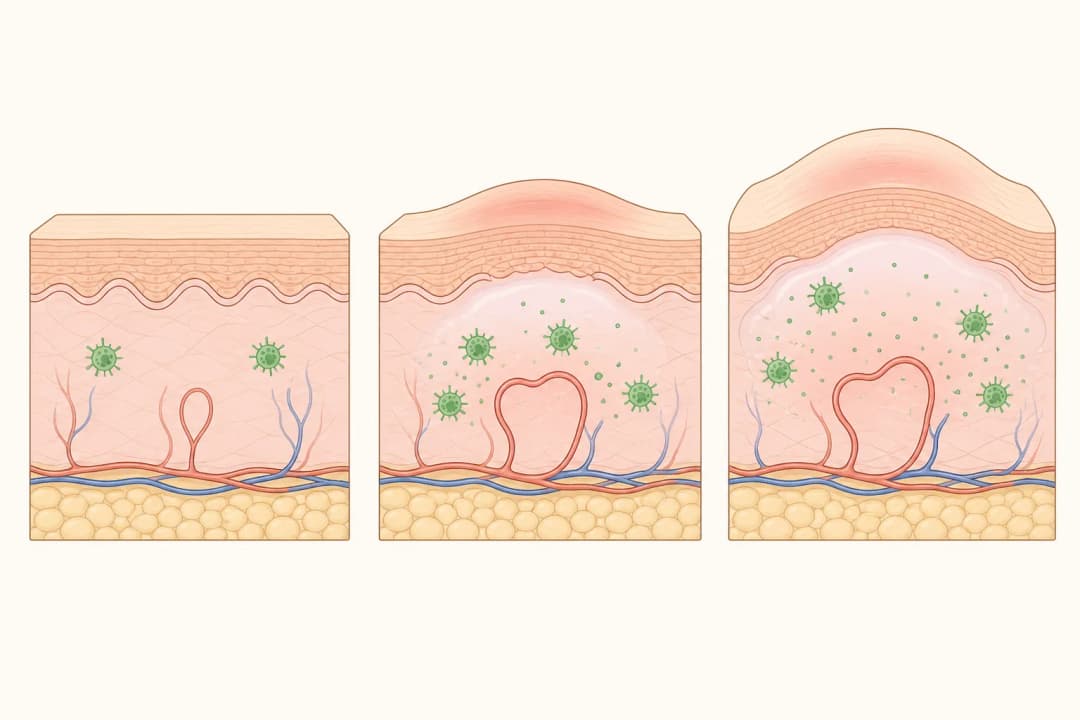
Pet-related hives can appear where the skin touched an animal or more widely across the body. They may come with [Itchy Skin](/symptoms/itchy-skin/), watery eyes, sneezing, or nasal symptoms, but skin findings alone cannot identify the exact trigger. Dander can settle on clothing, furniture, and bedding, while saliva may remain on fur after grooming. A rash that occurs after every encounter deserves assessment, because other exposures in the same setting may also be responsible. See [Hives](/conditions/urticaria/) and [Skin Rash](/symptoms/skin-rash/).
Reducing exposure and easing symptoms
Leave the exposure area, wash hands and exposed skin, and change clothing if fur or saliva contacted it. Avoid rubbing the eyes or scratching the welts. Keep a diary of the animal, location, timing, food, medicines, and other products present during each episode. A clinician can help decide whether an oral antihistamine is suitable; general information is available under [Antihistamine Treatment](/treatments/medical-dermatology/oral-antihistamine-therapy/). Do not assume that removing visible fur removes every allergen from a room.
Signs that need urgent care
Get emergency help at once if hives are accompanied by breathing difficulty, wheezing, throat or chest tightness, faintness, or swelling of the lips, tongue, or mouth. These symptoms can indicate a severe allergic reaction. Seek prompt assessment for facial swelling even when breathing is normal; [Angioedema](/conditions/angioedema/) describes this deeper type of swelling. Arrange a non-urgent review when episodes recur, spread beyond contact areas, or interfere with sleep, work, or caring for an animal.
Questions for your doctor
Could this be a pet allergy or another contact trigger? Should I have allergy assessment? How can I reduce exposure at home? Which symptoms require an emergency plan?
Find care
General Clinics & Polyclinics in Abu Dhabi
That answer is general. If you want it applied to your own case, these are licensed general clinics & polyclinics listed in Abu Dhabi.
27 Ar Ruwwad St - Shakhbout City - MSH4 - Abu Dhabi - United Arab Emirates
Accepts: Daman, Thiqa, Cigna, MetLife +20 more
Al Ruwais, Al Dhafrah
Accepts: Daman, Thiqa, AXA, Cigna +16 more
Al Bahyah - Al Bahyah Old - Abu Dhabi - United Arab Emirates
Accepts: Daman, Thiqa, Cigna, Allianz Care +18 more
Abu Dhabi
Accepts: Daman, Thiqa, AXA, Cigna +27 more
Ordered by verification status and how complete each clinic's public record is, then alphabetically. This is a directory listing, not a ranking — Zavis does not rate or recommend providers.
A factual listing drawn from the DHA, DOH and MOHAP licence registers. It is not a referral, an endorsement, or advice that any of these providers is right for you.
Questions people ask
Can pet fur itself cause hives?
The immune trigger is usually an animal protein carried on fur, dander, or saliva rather than the hair fiber alone.
Should I avoid touching pets if I get hives?
Until assessed, limit suspected exposure and discuss safer contact arrangements with a clinician.
Related
Related reading
Keep reading
Medical disclaimer. This page is general health information, not medical advice, and it cannot diagnose you. Always consult a licensed healthcare provider about your own symptoms and treatment. In an emergency in the UAE, call 998 for an ambulance.