
What should you know about hip fracture plaster?
Short answer
Hip fracture plaster is not a universal treatment; the fracture pattern and a person’s health determine whether immobilisation, surgery, or another plan is appropriate.
This answers one question. It is not a diagnosis and does not replace an assessment by a licensed doctor.
At a glance
- Key point
- A hip fracture does not automatically call for a plaster
- Monitor
- Pain, swelling, skin, colour, warmth, and sensation
- Follow-up
- Confirm support duration and weight-bearing instructions
Why a plaster may be discussed
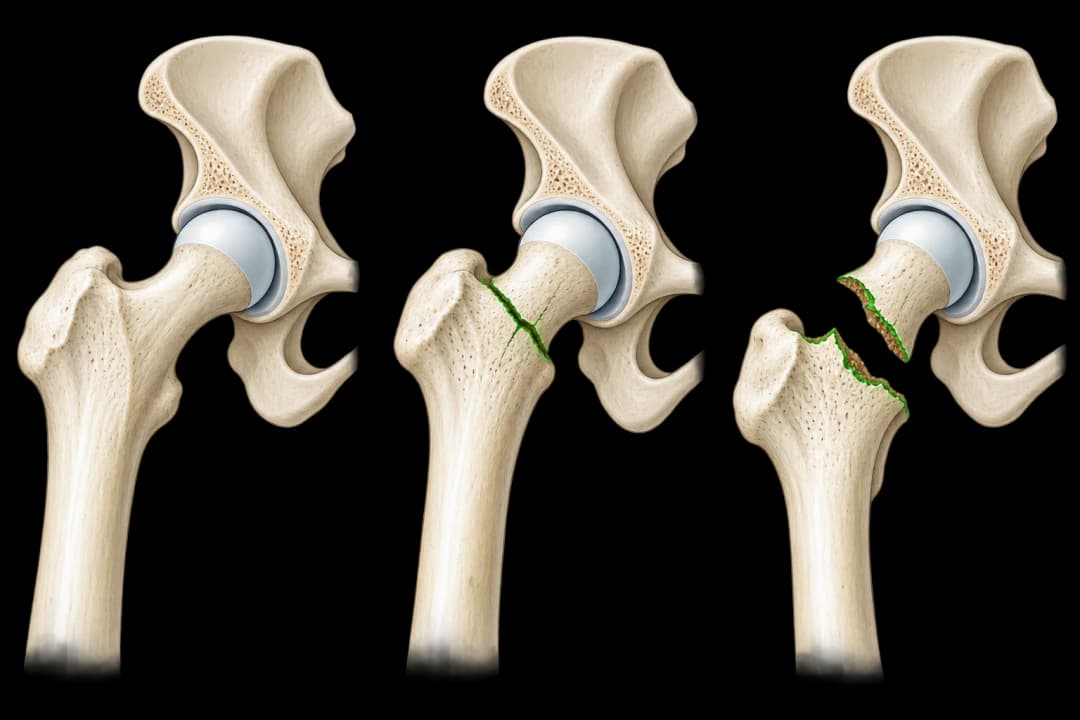
The hip is deep beneath the skin, so a conventional cast around the hip is less common than supports used for other broken bones. A clinician may use temporary immobilisation, traction, a brace, or careful positioning while assessing the injury or preparing treatment. Some stable injuries may be managed without surgery, while many hip fractures need an operation so the person can begin safe movement sooner.
Hip pain, inability to bear weight, and limping after a fall should be treated as possible fracture symptoms until assessed. The decision is based on imaging, fracture stability, bone quality, medical conditions, and the person’s usual mobility—not on the word plaster alone.
Care while immobilised
Do not adjust, wet, cut, or remove a prescribed support without instructions. Keep the skin and padding clean and check exposed toes for colour, warmth, sensation, and movement. Help with repositioning only as the care team demonstrates, and follow the exact weight-bearing order.
Ask about pain relief, blood-clot prevention, toileting, pressure-area care, and safe transfers. Physiotherapy can teach bed exercises, breathing exercises, walking-aid use, and a staged return to daily activity. A follow-up plan should confirm whether the support remains necessary and how healing will be checked.
Warning signs
Seek urgent care for increasing pain or tightness, numbness, pale or blue toes, inability to move the foot, a wet or broken support, new swelling, fever, wound drainage, chest pain, or breathlessness. Return promptly after any new fall or if pain suddenly changes. Do not wait for a routine appointment when the limb’s circulation or sensation seems different.
Questions to ask
Ask what type of support is being used and for how long, whether you may put weight through the leg, and how to protect the skin. Clarify whether surgery is expected, when physiotherapy starts, and which changes require immediate review.
Find care
General Clinics & Polyclinics in Abu Dhabi
That answer is general. If you want it applied to your own case, these are licensed general clinics & polyclinics listed in Abu Dhabi.
27 Ar Ruwwad St - Shakhbout City - MSH4 - Abu Dhabi - United Arab Emirates
Accepts: Daman, Thiqa, Cigna, MetLife +20 more
Al Ruwais, Al Dhafrah
Accepts: Daman, Thiqa, AXA, Cigna +16 more
Al Bahyah - Al Bahyah Old - Abu Dhabi - United Arab Emirates
Accepts: Daman, Thiqa, Cigna, Allianz Care +18 more
Abu Dhabi
Accepts: Daman, Thiqa, AXA, Cigna +27 more
Ordered by verification status and how complete each clinic's public record is, then alphabetically. This is a directory listing, not a ranking — Zavis does not rate or recommend providers.
A factual listing drawn from the DHA, DOH and MOHAP licence registers. It is not a referral, an endorsement, or advice that any of these providers is right for you.
Questions people ask
Can a plaster heal every hip fracture?
No. Hip fractures vary in location and stability, and many require fixation or replacement rather than a traditional cast.
What should I do if a support feels tighter?
Contact the treating team promptly, especially if pain, numbness, colour change, swelling, or reduced movement occurs.
Related
Related reading
Keep reading
Medical disclaimer. This page is general health information, not medical advice, and it cannot diagnose you. Always consult a licensed healthcare provider about your own symptoms and treatment. In an emergency in the UAE, call 998 for an ambulance.