
High arches and foot pain: causes and next steps
Short answer
High arches can contribute to foot pain by concentrating load and reducing shock absorption, but the pain may also have another cause.
This answers one question. It is not a diagnosis and does not replace an assessment by a licensed doctor.
At a glance
- Possible load sites
- Heel, forefoot, and outer foot
- Track
- Location, triggers, and activity changes
- Urgent concern
- Inability to bear weight or a new wound
How the pattern can develop
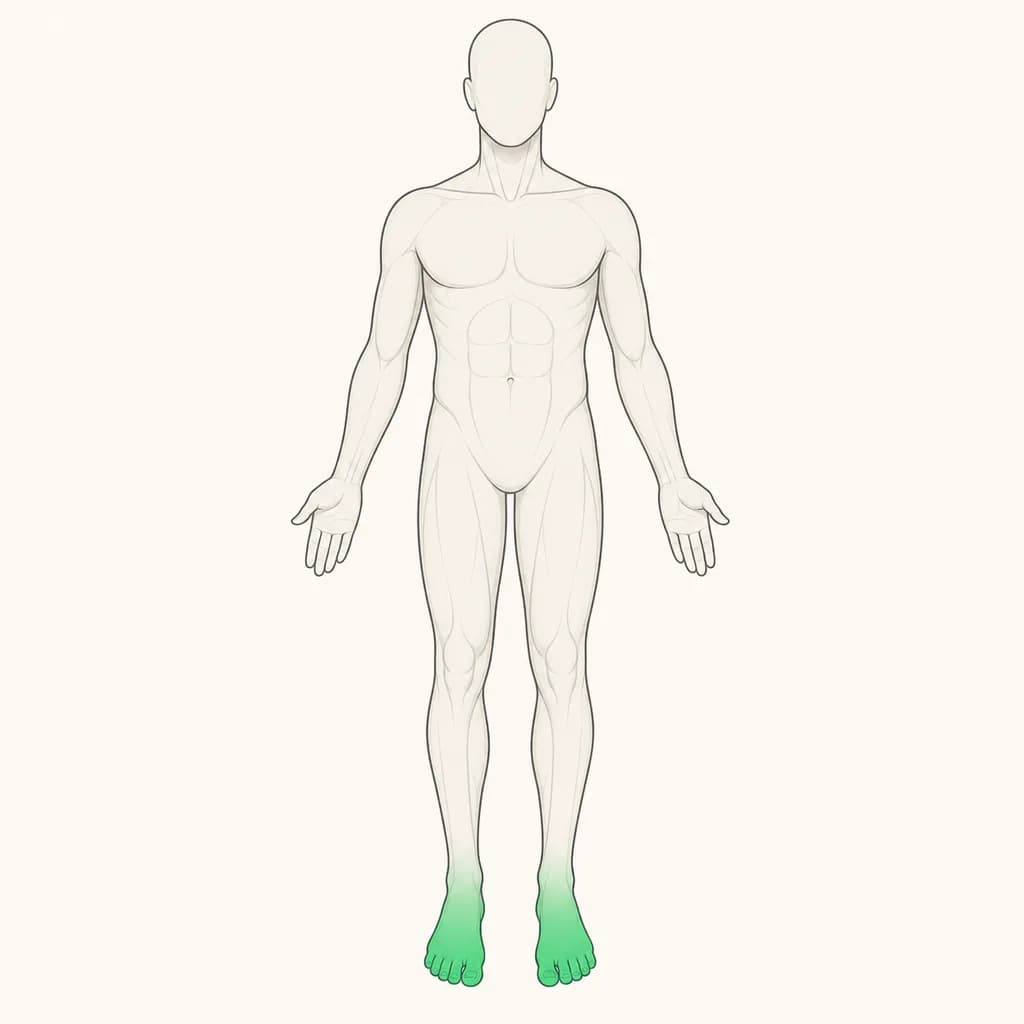
A raised arch may increase force beneath the heel, ball of the foot, or outside border and can make the ankle less stable. Over time, this may contribute to calluses, toe pressure, ankle sprains, or irritation of the plantar fascia. Pain after a sudden increase in activity can also reflect a stress injury. Other foot conditions, including [Bunions](/conditions/bunions/), [Hallux Rigidus](/conditions/hallux-rigidus/), or [Hammer Toe](/conditions/hammer-toe/), may coexist. A physical examination helps separate these patterns.
Practical next steps
Choose supportive shoes with cushioning, a stable heel, and enough width and depth for your toes. Reduce activities that clearly provoke pain, then build back gradually rather than testing the foot repeatedly. Note the location, timing, and triggers of symptoms. [Custom Orthotics](/treatments/non-surgical-orthopedics/custom-orthotics/) may help with pressure distribution when matched to your needs. Avoid using an insert that creates new pain or numbness.
When pain needs medical attention
Arrange a clinical review if pain persists, recurs with ordinary activity, changes your walking, or comes with repeated sprains or a visible change in the foot. Seek prompt care after an injury if you cannot bear weight, or if severe swelling, bruising, numbness, weakness, warmth, redness, or an open wound appears. Sudden focal pain after increased impact activity also deserves assessment for a possible [Stress Fracture](/conditions/stress-fracture/).
Questions to ask
Ask which structure is painful, whether your high arch is contributing, and whether you need imaging or a gait assessment. Ask how to modify activity and whether an orthotic or exercise programme is appropriate.
Find care
General Clinics & Polyclinics in Abu Dhabi
That answer is general. If you want it applied to your own case, these are licensed general clinics & polyclinics listed in Abu Dhabi.
27 Ar Ruwwad St - Shakhbout City - MSH4 - Abu Dhabi - United Arab Emirates
Accepts: Daman, Thiqa, Cigna, MetLife +20 more
Al Ruwais, Al Dhafrah
Accepts: Daman, Thiqa, AXA, Cigna +16 more
Al Bahyah - Al Bahyah Old - Abu Dhabi - United Arab Emirates
Accepts: Daman, Thiqa, Cigna, Allianz Care +18 more
Abu Dhabi
Accepts: Daman, Thiqa, AXA, Cigna +27 more
Ordered by verification status and how complete each clinic's public record is, then alphabetically. This is a directory listing, not a ranking — Zavis does not rate or recommend providers.
A factual listing drawn from the DHA, DOH and MOHAP licence registers. It is not a referral, an endorsement, or advice that any of these providers is right for you.
Questions people ask
Do high arches explain every episode of foot pain?
No. High arches can alter load, but injuries and conditions such as [Plantar Fasciitis](/conditions/plantar-fasciitis/) can also cause symptoms.
What if pain follows more exercise?
Reduce the provoking activity and arrange an assessment if pain is focal, persistent, or worsens with weight-bearing.
Related
Related reading
Keep reading
Medical disclaimer. This page is general health information, not medical advice, and it cannot diagnose you. Always consult a licensed healthcare provider about your own symptoms and treatment. In an emergency in the UAE, call 998 for an ambulance.