
Heavy periods 40 days after delivery: what to know
Short answer
Heavy bleeding 40 days after delivery should be checked, because it may be a returning period or a postpartum problem requiring treatment.
This answers one question. It is not a diagnosis and does not replace an assessment by a licensed doctor.
At a glance
- Timing
- The return of periods varies, particularly with breastfeeding.
- Record
- Track flow, clots, pain, temperature, and odour.
- Urgent signs
- Faintness, severe pain, fever, or rapidly worsening bleeding need immediate help.
How to interpret the timing
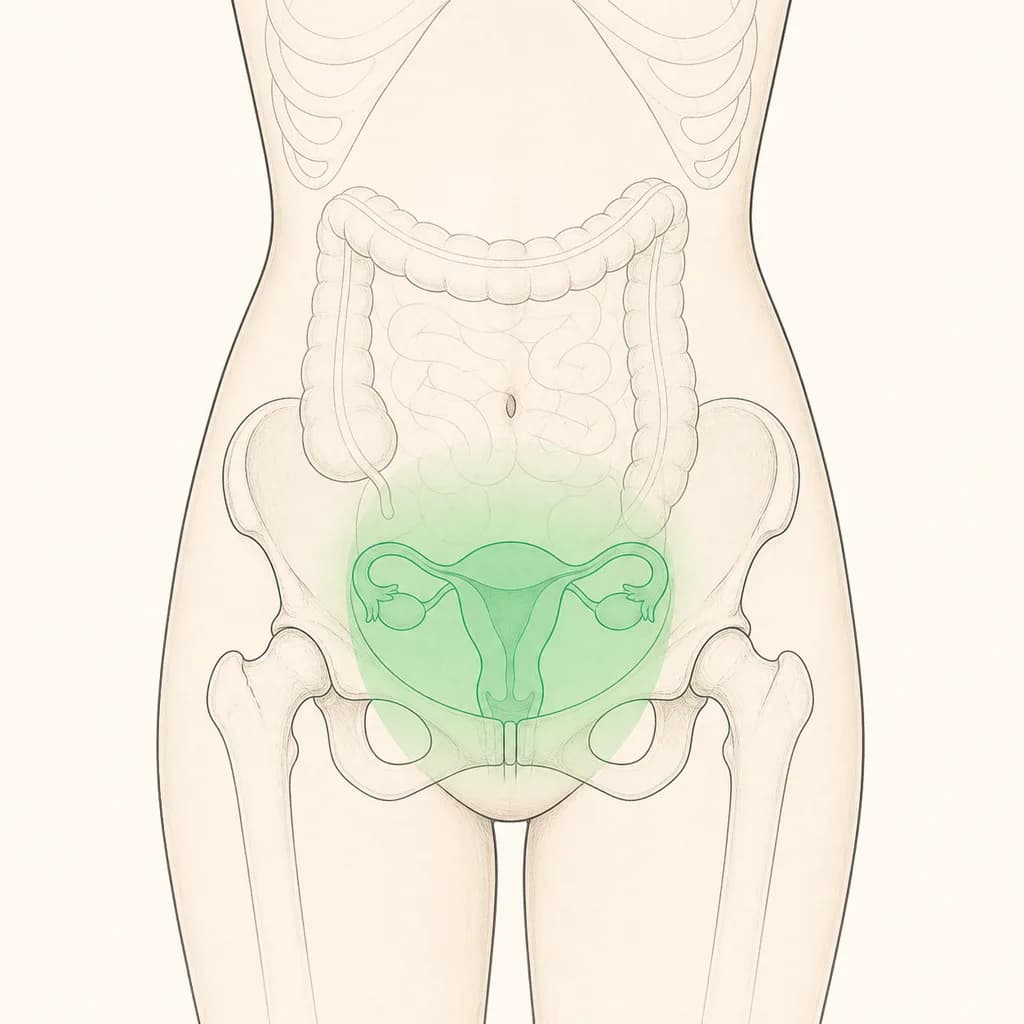
Bleeding after birth, called lochia, gradually changes in amount and colour before settling. Menstrual cycles may return at different times, especially when breastfeeding, so bleeding around this stage is not automatically a period. A heavy flow can also occur when tissue remains in the womb, the womb is not contracting as expected, or infection is present. A heavy period is a symptom; it does not by itself identify the cause. Other explanations, including fibroids, polyps, or adenomyosis, may need consideration once immediate postpartum causes have been addressed.
What to do next
Use pads so you can judge the flow, and record when it started, whether it is increasing, the presence of clots, pelvic pain, fever, or an unpleasant smell. Contact your maternity team, midwife, obstetrician, or GP for advice rather than waiting for the next routine appointment. They may assess your pulse and blood pressure, examine you, check blood count and iron levels, and arrange an ultrasound. Avoid inserting anything into the vagina until a clinician confirms it is appropriate, particularly if you have pain, fever, or have not had a postpartum review.
When to seek urgent help
Go to urgent care now for rapidly worsening bleeding, fainting, marked dizziness, a fast heartbeat, severe abdominal pain, fever, chills, or feeling suddenly very unwell. Seek immediate help if you are soaking pads quickly or passing unusually large clots. These signs can indicate major blood loss or infection. If you are alone with your baby, call someone you trust while arranging care, and do not drive if you feel faint or weak.
Useful questions
Ask: Is this likely to be lochia, a period, or a postpartum complication? Do I need an examination, ultrasound, or blood tests? Could retained tissue, infection, fibroids, or polyps be involved? What bleeding pattern should prompt me to return?
Find care
General Clinics & Polyclinics in Abu Dhabi
That answer is general. If you want it applied to your own case, these are licensed general clinics & polyclinics listed in Abu Dhabi.
27 Ar Ruwwad St - Shakhbout City - MSH4 - Abu Dhabi - United Arab Emirates
Accepts: Daman, Thiqa, Cigna, MetLife +20 more
Al Ruwais, Al Dhafrah
Accepts: Daman, Thiqa, AXA, Cigna +16 more
Al Bahyah - Al Bahyah Old - Abu Dhabi - United Arab Emirates
Accepts: Daman, Thiqa, Cigna, Allianz Care +18 more
Abu Dhabi
Accepts: Daman, Thiqa, AXA, Cigna +27 more
Ordered by verification status and how complete each clinic's public record is, then alphabetically. This is a directory listing, not a ranking — Zavis does not rate or recommend providers.
A factual listing drawn from the DHA, DOH and MOHAP licence registers. It is not a referral, an endorsement, or advice that any of these providers is right for you.
Questions people ask
Can a first period after delivery be heavy?
It can be different from pre-pregnancy periods, but heavy bleeding after birth should still be discussed with a clinician because postpartum causes need to be excluded.
Is bleeding 40 days after delivery always a period?
No. It may be a period, continuing lochia, or a postpartum complication. The amount, trend, pain, fever, and general condition help guide assessment.
Related
Related reading
Keep reading
Medical disclaimer. This page is general health information, not medical advice, and it cannot diagnose you. Always consult a licensed healthcare provider about your own symptoms and treatment. In an emergency in the UAE, call 998 for an ambulance.