
What should you know about heavy period blood loss?
Short answer
Heavy period blood loss can lead to iron deficiency and symptoms such as fatigue or breathlessness, so persistent loss needs assessment.
This answers one question. It is not a diagnosis and does not replace an assessment by a licensed doctor.
At a glance
- Possible effect
- Iron deficiency anaemia with tiredness, weakness, or breathlessness
- Bring
- A bleeding diary and list of medicines and supplements
- Urgent signs
- Faintness, severe breathlessness, chest discomfort, or uncontrolled bleeding
How blood loss can affect you
Repeated heavy menstrual bleeding can gradually reduce iron stores and may cause iron deficiency anaemia. Possible effects include unusual tiredness, weakness, headaches, dizziness, breathlessness with activity, paleness, or a fast heartbeat. These symptoms have other possible causes, so testing is more useful than trying to judge your iron level from symptoms alone.
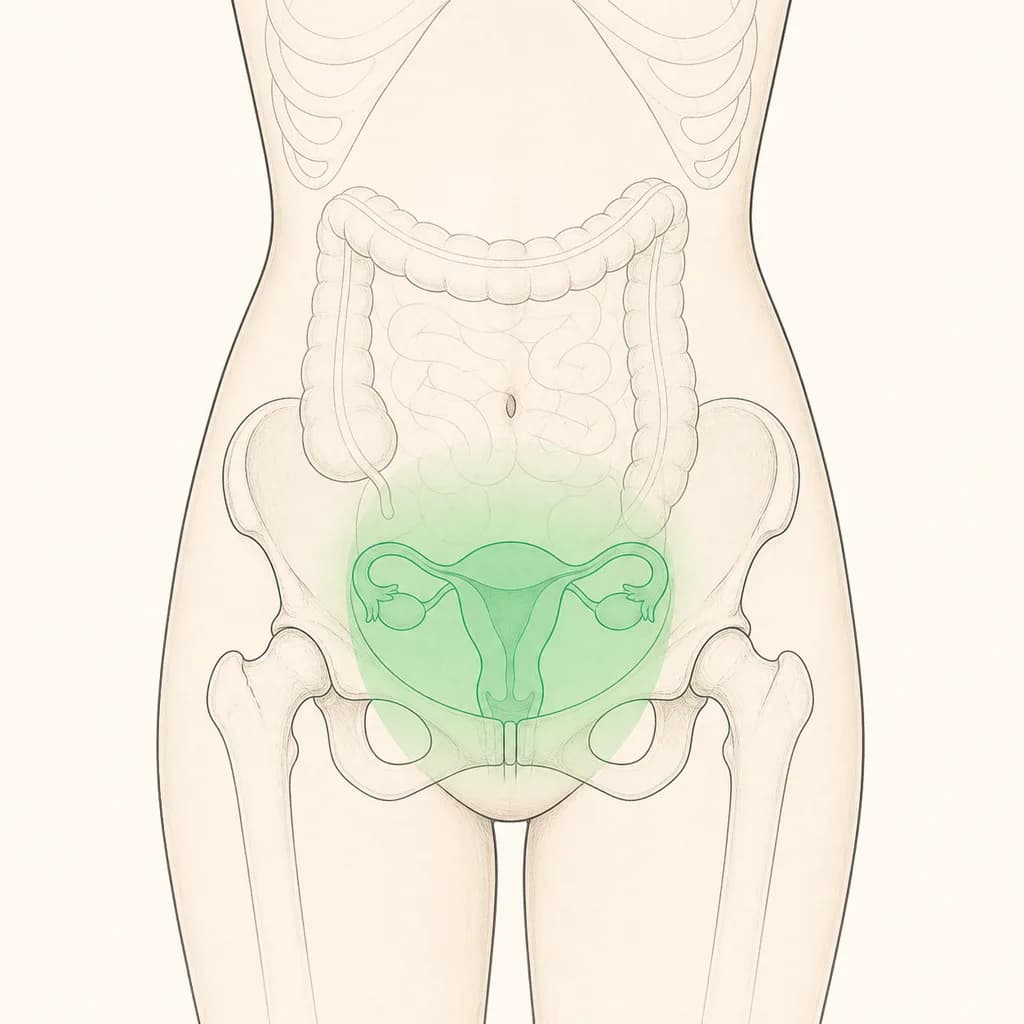
The underlying bleeding pattern may be linked with uterine fibroids, adenomyosis, endometrial polyps, perimenopause, or polycystic ovary syndrome. Heavy blood loss is a symptom and an effect; it does not identify one condition. Tell a clinician if the change started after childbirth, a procedure, a new medicine, or a change in contraception.
Steps that help an assessment
Keep a record of each period, the heaviest days, product changes, clots, flooding, pain, and how symptoms affect activity or sleep. Include vegetarian or restricted diets, previous anaemia, medicines, and pregnancy possibility. A clinician may arrange a blood count and iron testing, then investigate the uterus or hormones when appropriate.
Eat regular iron-containing foods, but do not rely on diet alone if bleeding is heavy or you have symptoms. Iron supplements can be useful for some people and unsuitable for others, so discuss the product and dose with a clinician. Treatment should address both the blood loss and its cause.
When urgent care is needed
Seek urgent help if bleeding is difficult to control or you feel faint, severely dizzy, breathless at rest, confused, extremely weak, or have chest discomfort or severe pelvic pain. Heavy bleeding with a possible pregnancy also needs prompt assessment. Do not wait for a routine blood test when these symptoms are present.
Questions to ask
Could I have iron deficiency or anaemia, and which tests should check it? What may be driving the bleeding? How can we reduce blood loss while investigating it? Should I change any medicines or supplements? Which symptoms mean I need urgent care?
Find care
General Clinics & Polyclinics in Abu Dhabi
That answer is general. If you want it applied to your own case, these are licensed general clinics & polyclinics listed in Abu Dhabi.
27 Ar Ruwwad St - Shakhbout City - MSH4 - Abu Dhabi - United Arab Emirates
Accepts: Daman, Thiqa, Cigna, MetLife +20 more
Al Ruwais, Al Dhafrah
Accepts: Daman, Thiqa, AXA, Cigna +16 more
Al Bahyah - Al Bahyah Old - Abu Dhabi - United Arab Emirates
Accepts: Daman, Thiqa, Cigna, Allianz Care +18 more
Abu Dhabi
Accepts: Daman, Thiqa, AXA, Cigna +27 more
Ordered by verification status and how complete each clinic's public record is, then alphabetically. This is a directory listing, not a ranking — Zavis does not rate or recommend providers.
A factual listing drawn from the DHA, DOH and MOHAP licence registers. It is not a referral, an endorsement, or advice that any of these providers is right for you.
Questions people ask
Can heavy periods cause anaemia?
Repeated heavy blood loss can reduce iron stores and contribute to iron deficiency anaemia. Blood tests can check whether this is happening.
How can I tell how much blood I have lost?
Exact loss is difficult to judge at home. Product changes, flooding, clots, duration, and symptoms provide useful information for a clinician.
Related
Related reading
Keep reading
Medical disclaimer. This page is general health information, not medical advice, and it cannot diagnose you. Always consult a licensed healthcare provider about your own symptoms and treatment. In an emergency in the UAE, call 998 for an ambulance.