
First period after breastfeeding: when heavy bleeding needs attention
Short answer
The first period after breastfeeding can be heavier or irregular, but very heavy bleeding, severe pain, dizziness, or breathlessness needs medical assessment.
This answers one question. It is not a diagnosis and does not replace an assessment by a licensed doctor.
At a glance
- Cycle return
- Ovulation may return before the first period.
- Track
- Record product changes, clots, pain, and duration.
- Warning signs
- Faintness, breathlessness, severe pain, or rapidly heavy bleeding need urgent help.
What a changed first period can mean
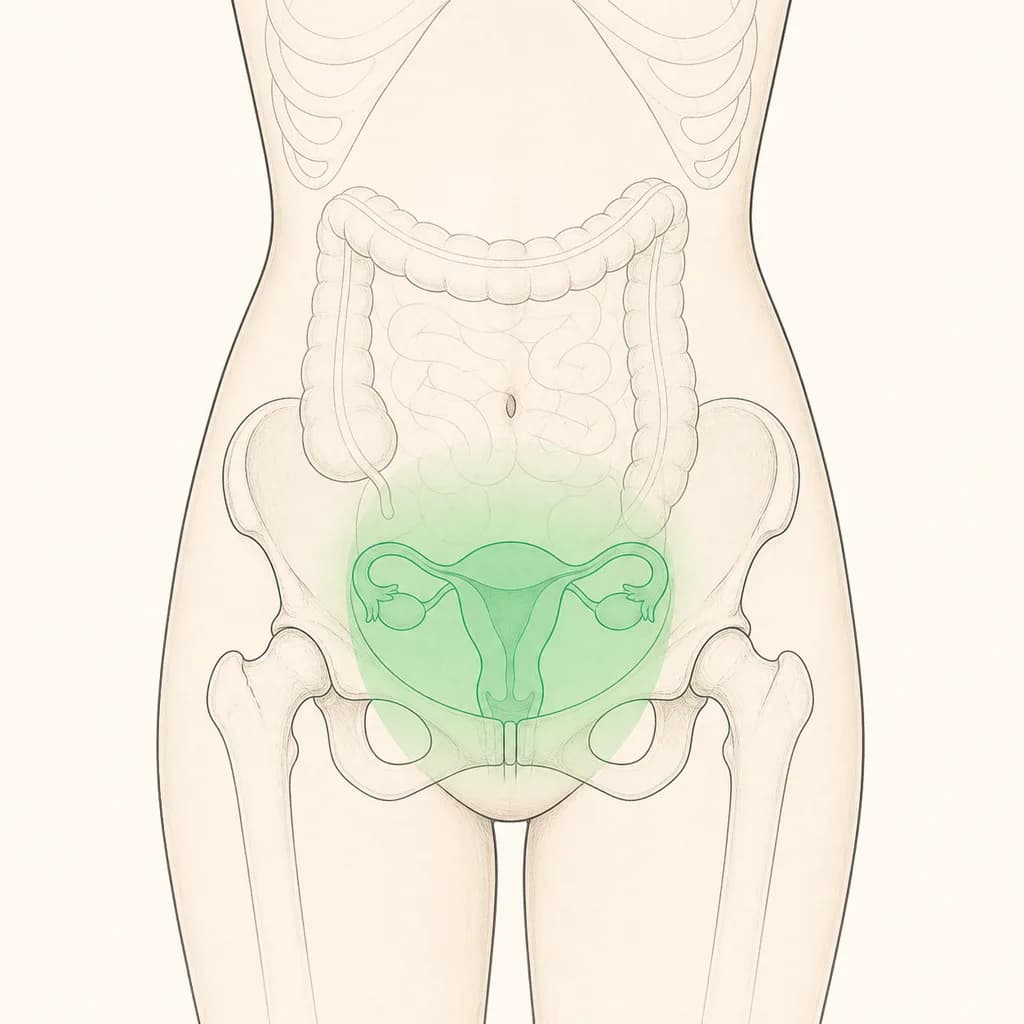
Breastfeeding can delay ovulation, so the first cycles after feeds reduce or stop may not follow your previous pattern. Flow may be heavier, lighter, longer, or accompanied by more cramping while the cycle settles. Heavy Periods can also occur with conditions such as uterine fibroids, adenomyosis, endometrial polyps, or endometrial hyperplasia. A heavy period may contribute to Iron Deficiency Anaemia, which can cause tiredness, headaches, paleness, or reduced exercise tolerance.
What you can do now
Record when bleeding starts, how often you change period products, whether clots appear, and how long the flow lasts. Rest when needed, drink fluids, and eat iron-containing foods. If pregnancy is possible, take a pregnancy test because ovulation can return before the first period. Arrange a routine review if heavy bleeding repeats, affects daily life, or comes with increasing pelvic pain; a clinician may check for anaemia and discuss examination or imaging.
When to seek care
Seek urgent medical help if bleeding is rapidly soaking products, you feel faint or unusually weak, have shortness of breath, chest discomfort, severe pelvic pain, fever, or bleeding with a positive pregnancy test. Contact a clinician promptly if bleeding remains much heavier than your usual pattern or does not begin to ease, even without those warning signs.
Questions for your doctor
Ask whether your bleeding pattern suggests anaemia, whether medicines are suitable while breastfeeding, and whether you need a pelvic examination, blood tests, or an ultrasound. Mention your breastfeeding pattern, delivery history, contraception, pain, clots, and any chance of pregnancy.
Find care
General Clinics & Polyclinics in Abu Dhabi
That answer is general. If you want it applied to your own case, these are licensed general clinics & polyclinics listed in Abu Dhabi.
27 Ar Ruwwad St - Shakhbout City - MSH4 - Abu Dhabi - United Arab Emirates
Accepts: Daman, Thiqa, Cigna, MetLife +20 more
Al Ruwais, Al Dhafrah
Accepts: Daman, Thiqa, AXA, Cigna +16 more
Al Bahyah - Al Bahyah Old - Abu Dhabi - United Arab Emirates
Accepts: Daman, Thiqa, Cigna, Allianz Care +18 more
Abu Dhabi
Accepts: Daman, Thiqa, AXA, Cigna +27 more
Ordered by verification status and how complete each clinic's public record is, then alphabetically. This is a directory listing, not a ranking — Zavis does not rate or recommend providers.
A factual listing drawn from the DHA, DOH and MOHAP licence registers. It is not a referral, an endorsement, or advice that any of these providers is right for you.
Questions people ask
Can the first period after breastfeeding be different?
Yes. The first cycles may be irregular, and flow or cramping may differ while ovulation resumes.
When is heavy bleeding after breastfeeding concerning?
It is concerning when flow is rapidly heavy, causes faintness or breathlessness, comes with severe pain or fever, or repeatedly disrupts daily activities.
Related
Related reading
Keep reading
Medical disclaimer. This page is general health information, not medical advice, and it cannot diagnose you. Always consult a licensed healthcare provider about your own symptoms and treatment. In an emergency in the UAE, call 998 for an ambulance.