
What should you know about female kidney stones in the toilet?
Short answer
If you see a suspected kidney stone in the toilet, preserve it if possible and seek advice about testing and symptoms.
This answers one question. It is not a diagnosis and does not replace an assessment by a licensed doctor.
At a glance
- Collecting a fragment
- Use a clean container and follow local clinical instructions
- Do not ignore
- Fever, inability to pass urine or severe pain
What to do when you see a stone
A stone may look like a small hard grain or irregular fragment, but mucus, tissue or toilet debris can look similar. Use a clean container if you can collect it safely, keep it dry unless your clinician gives different instructions, and take it to the appointment.
What the finding may mean
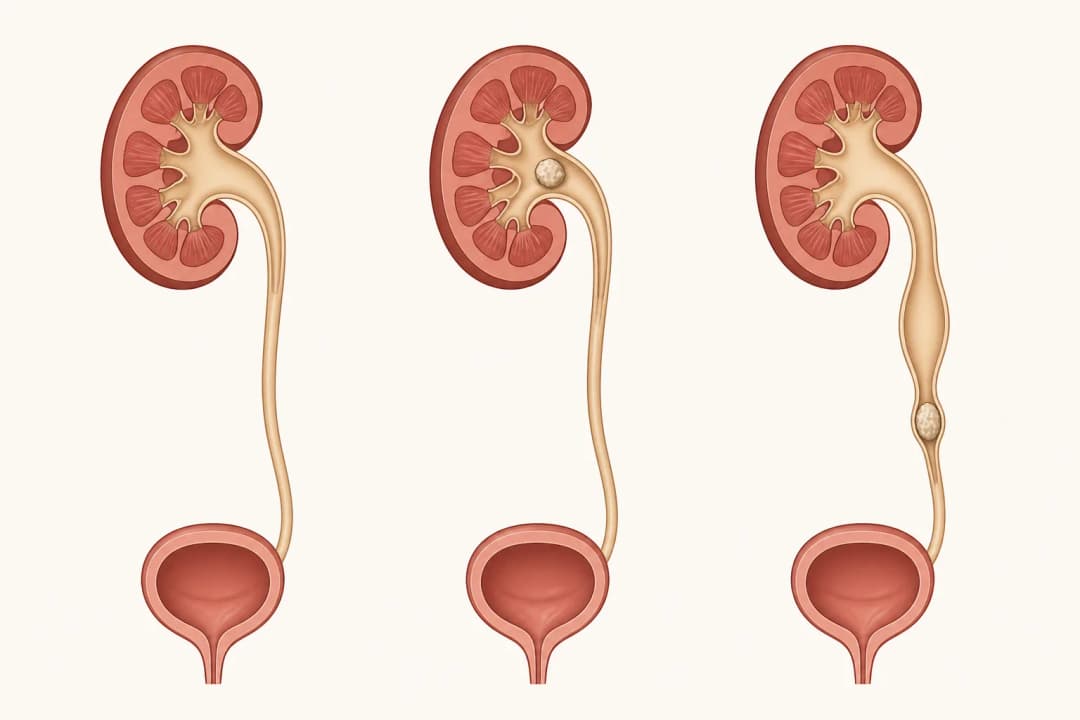
Passing a fragment can happen when a kidney stone moves through the urinary tract. Flank Pain, Abdominal Pain, blood in the urine or painful urination may occur, but the appearance alone cannot confirm the diagnosis. Laboratory analysis of a collected fragment and urine or imaging assessment can help clarify what happened.
Steps after passing a fragment
Note when you saw it and whether pain, nausea or urinary changes followed. Drink normally if you are able and have no fluid restriction; avoid forcing fluids during repeated vomiting. Arrange a GP Consultation if this is a first episode, symptoms continue or you want prevention advice. An Abdominal Ultrasound may be considered when a remaining stone or obstruction needs assessment.
Warning signs needing urgent care
Get urgent medical help for fever or chills, severe or worsening pain, repeated vomiting, difficulty passing urine, faintness or marked weakness. Emergency care is needed for confusion, collapse or severe breathing difficulty. These warnings matter even if you believe a fragment has passed, because infection or blockage can remain.
Questions for your doctor
Ask whether the fragment should be analysed, whether urine testing or an Abdominal Ultrasound is appropriate, how to manage pain, and what fluid or dietary advice fits your health history. Ask how to recognise a remaining obstruction.
Find care
General Clinics & Polyclinics in Abu Dhabi
That answer is general. If you want it applied to your own case, these are licensed general clinics & polyclinics listed in Abu Dhabi.
27 Ar Ruwwad St - Shakhbout City - MSH4 - Abu Dhabi - United Arab Emirates
Accepts: Daman, Thiqa, Cigna, MetLife +20 more
Al Ruwais, Al Dhafrah
Accepts: Daman, Thiqa, AXA, Cigna +16 more
Al Bahyah - Al Bahyah Old - Abu Dhabi - United Arab Emirates
Accepts: Daman, Thiqa, Cigna, Allianz Care +18 more
Abu Dhabi
Accepts: Daman, Thiqa, AXA, Cigna +27 more
Ordered by verification status and how complete each clinic's public record is, then alphabetically. This is a directory listing, not a ranking — Zavis does not rate or recommend providers.
A factual listing drawn from the DHA, DOH and MOHAP licence registers. It is not a referral, an endorsement, or advice that any of these providers is right for you.
Questions people ask
Can I tell by looking whether it is a kidney stone?
No. Toilet debris and other material can look similar, so testing and clinical assessment are more reliable.
Should I keep the suspected stone?
If it can be collected safely, keep it in a clean container and ask the clinician how it should be stored or delivered.
Related
Related reading
Keep reading
Medical disclaimer. This page is general health information, not medical advice, and it cannot diagnose you. Always consult a licensed healthcare provider about your own symptoms and treatment. In an emergency in the UAE, call 998 for an ambulance.