
Altitude Sickness Explained
Short answer
Altitude sickness is an altitude-related illness caused by reduced available oxygen, often starting with headache, nausea, tiredness, or dizziness after ascent.
This answers one question. It is not a diagnosis and does not replace an assessment by a licensed doctor.
At a glance
- Cause
- Reduced available oxygen during ascent
- Early clues
- Headache, nausea, tiredness, dizziness, or poor sleep
- Key response
- Stop ascending; descend if symptoms worsen
How it develops
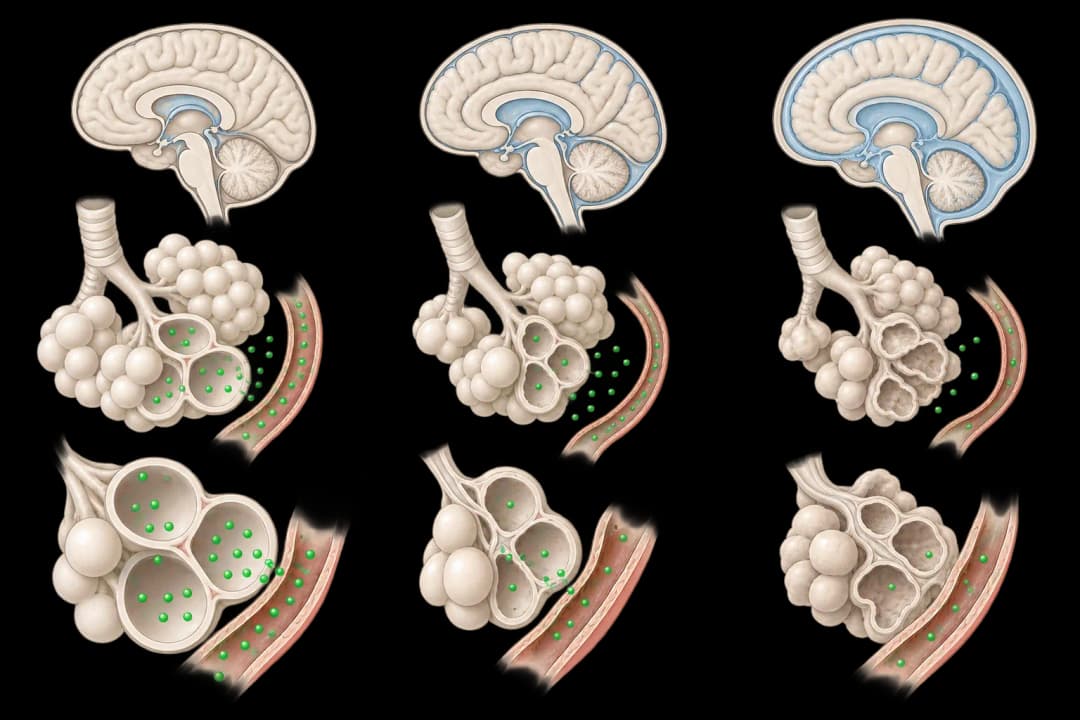
At high altitude, each breath provides less available oxygen than at sea level. The body needs time to adjust, and symptoms can begin after travelling upward, especially when ascent is rapid. Headache is common, with nausea, poor appetite, unusual tiredness, dizziness, and disturbed sleep also possible. Mild symptoms should not be dismissed if they worsen. Severe altitude illness can affect the brain or lungs, causing confusion, poor coordination, breathlessness at rest, a cough, or frothy sputum. Fitness does not guarantee protection, and a previous comfortable trip does not predict every future response.
What to do
Stop ascending when symptoms appear and rest at the same elevation while monitoring closely. Avoid alcohol and strenuous exertion, and drink normally rather than forcing excessive fluids. If symptoms do not improve or become worse, descend to a lower altitude with assistance. People planning travel to high areas should discuss acclimatisation, medicines, existing heart or lung conditions, and an emergency plan during a travel health consultation. Do not continue upward to reach a planned destination while unwell.
Urgent warning signs
Seek emergency help and descend urgently for confusion, unusual sleepiness, trouble walking straight, fainting, breathlessness at rest, chest tightness, a worsening cough, blue lips, or frothy sputum. Someone with severe symptoms should not descend alone. Persistent headache, repeated vomiting, or worsening nausea also warrants medical advice, especially when rest at the same altitude has not helped.
Questions before travel
How should I plan ascent and rest days? Do my medical conditions or medicines change my risk? What symptoms mean I must descend, and what emergency supplies or support should my group arrange?
Find care
General Clinics & Polyclinics in Abu Dhabi
That answer is general. If you want it applied to your own case, these are licensed general clinics & polyclinics listed in Abu Dhabi.
27 Ar Ruwwad St - Shakhbout City - MSH4 - Abu Dhabi - United Arab Emirates
Accepts: Daman, Thiqa, Cigna, MetLife +20 more
Al Ruwais, Al Dhafrah
Accepts: Daman, Thiqa, AXA, Cigna +16 more
Al Bahyah - Al Bahyah Old - Abu Dhabi - United Arab Emirates
Accepts: Daman, Thiqa, Cigna, Allianz Care +18 more
Abu Dhabi
Accepts: Daman, Thiqa, AXA, Cigna +27 more
Ordered by verification status and how complete each clinic's public record is, then alphabetically. This is a directory listing, not a ranking — Zavis does not rate or recommend providers.
A factual listing drawn from the DHA, DOH and MOHAP licence registers. It is not a referral, an endorsement, or advice that any of these providers is right for you.
Questions people ask
Can altitude sickness happen to fit travellers?
Yes. Fitness does not remove the need for gradual acclimatisation or symptom monitoring.
Should I keep climbing with a headache?
No. Stop ascending, rest, monitor symptoms, and descend if they persist or worsen.
Related
Related reading
Keep reading
Medical disclaimer. This page is general health information, not medical advice, and it cannot diagnose you. Always consult a licensed healthcare provider about your own symptoms and treatment. In an emergency in the UAE, call 998 for an ambulance.