
What should you know about Ewing sarcoma pathophysiology?
Short answer
Ewing sarcoma develops when abnormal cells multiply in bone or soft tissue and form a tumour that can spread.
This answers one question. It is not a diagnosis and does not replace an assessment by a licensed doctor.
At a glance
- Origin
- Bone or nearby soft tissue
- Underlying feature
- An acquired genetic change in tumour cells
- Assessment
- Biopsy plus staging scans
How the condition develops
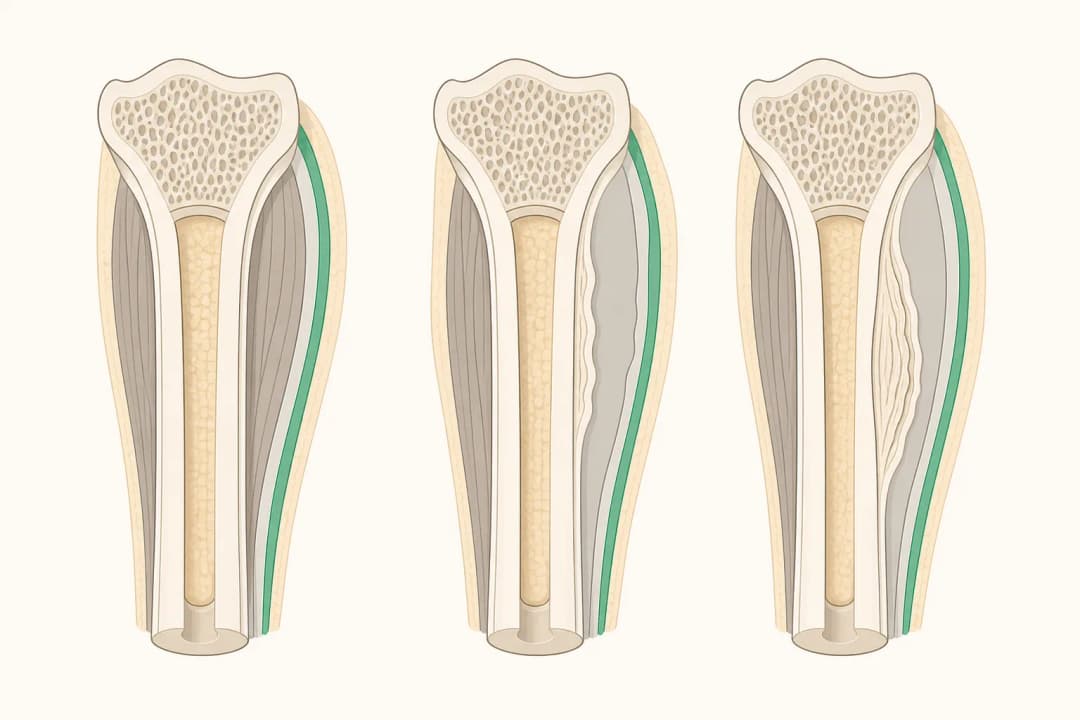
Ewing sarcoma is driven by a specific change in the genetic material inside a tumour cell. This change can alter gene signals that control cell growth. The abnormal cells may gather in bone or in soft tissue beside it, causing local pain, swelling, or pressure. As the tumour grows, it can affect nearby structures and may travel through the bloodstream to distant sites, which is why staging scans are part of evaluation.
The genetic change is generally acquired in the tumour rather than passed through a family. A biopsy lets the laboratory examine the cells and confirm the tumour's identity.
How biology guides care
A specialist team uses the biopsy, imaging, and examination to map the disease before choosing treatment. Chemotherapy can target cells beyond the original site, while Tumour Removal Surgery or Radiotherapy can address the local tumour when suitable. The plan also considers the tumour's relationship to nerves, blood vessels, joints, and growing bone. Ask how treatment will protect function and how response will be monitored.
Symptoms needing assessment
Have persistent bone or soft-tissue pain, swelling, an enlarging lump, reduced movement, or unexplained fever assessed by a clinician. Urgent evaluation is needed for sudden severe pain, inability to bear weight, new weakness or numbness, or breathing difficulty. These symptoms are not specific to Ewing sarcoma, but delay can complicate assessment of a serious problem.
Questions about the biology
Ask what the biopsy shows, whether the relevant tumour marker or genetic change was identified, and what staging scans are planned. Ask how the tumour's location affects surgery or radiation, how response will be checked, and who will coordinate supportive care.
Questions people ask
Is Ewing sarcoma inherited?
The genetic change that drives the tumour is generally acquired in the tumour cells, rather than inherited through a family.
Why are staging scans needed?
They help the team see the original tumour and check for disease in other parts of the body.
Related
Related reading
Keep reading
Cancer care in the UAE
Hospitals & Medical Centers in Abu Dhabi
Most UAE cancer care is delivered inside hospital services rather than by standalone oncology clinics, so these are licensed hospitals & medical centers listed in Abu Dhabi. Confirm the specific cancer service exists before you travel, and know that asking for a second opinion is routine.
Ahalia Hospital Musaffah Building - Musaffah - Musaffah Industrial - Abu Dhabi - United Arab Emirates
Accepts: Daman, Thiqa, AXA, Cigna +26 more
Al Ruwais Industrial City - Abu Dhabi - United Arab Emirates
Accepts: Daman, Thiqa, AXA, Cigna +30 more
Abu Dhabi, Abu Dhabi
Accepts: Daman, Thiqa, AXA, Cigna +30 more
Second opinions are routine in cancer care and asking for one does not affect your treatment. How to arrange a second opinion in the UAE.
Ordered by verification status and how complete each clinic's public record is, then alphabetically. This is a directory listing, not a ranking — Zavis does not rate or recommend providers.
A factual listing drawn from the DHA, DOH and MOHAP licence registers. It is not a referral, an endorsement, or advice that any of these providers is right for you.
Medical disclaimer. This page is general health information, not medical advice, and it cannot diagnose you. Always consult a licensed healthcare provider about your own symptoms and treatment. In an emergency in the UAE, call 998 for an ambulance.