
What should you know about hyperthyroidism in pregnancy?
Short answer
Hyperthyroidism in pregnancy can affect the pregnant person and developing baby, so symptoms, thyroid levels, and treatment need regular medical monitoring.
This answers one question. It is not a diagnosis and does not replace an assessment by a licensed doctor.
At a glance
- Needs monitoring
- Symptoms and thyroid blood levels
- Care team
- Maternity, GP, and sometimes endocrine clinicians
- Medicine
- Do not change prescribed treatment without advice
How it may present
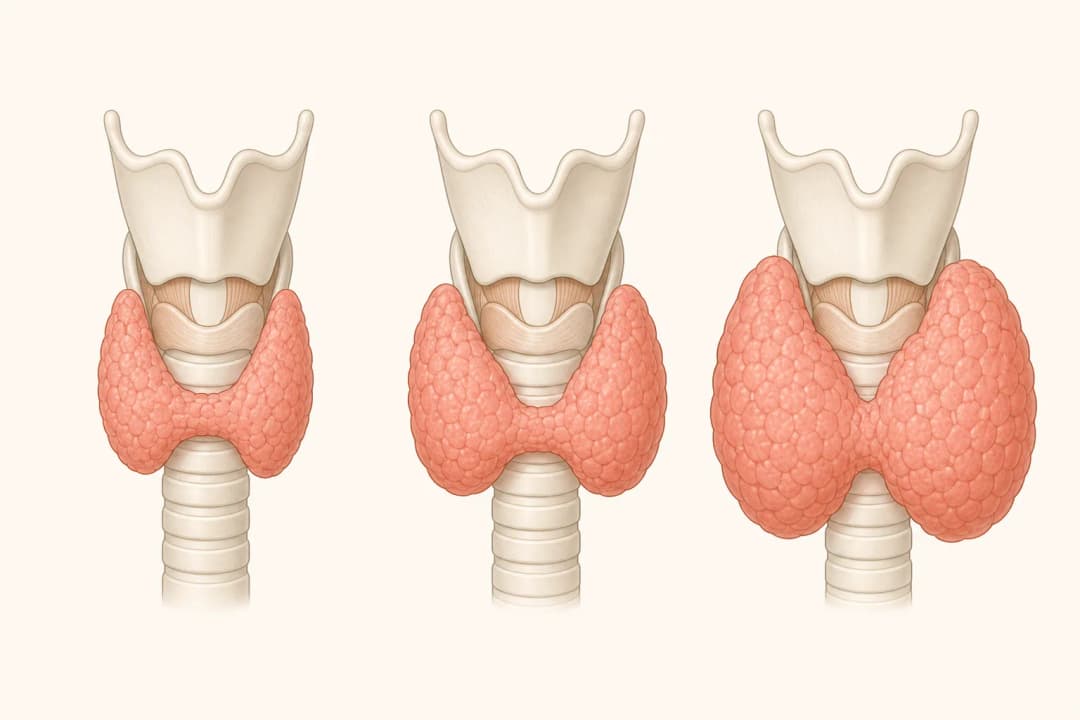
Hyperthyroidism means the thyroid produces more hormone than the body needs. Most people with hyperthyroidism notice symptoms such as palpitations, heat intolerance, excessive sweating, feeling anxious, difficulty sleeping, diarrhoea, or night sweats, although pregnancy itself can overlap with some of these experiences.
When thyroid activity remains high, it can place extra strain on the heart and affect general wellbeing. Uncontrolled disease may also affect pregnancy progress and fetal growth. These possibilities do not mean a complication will occur; they explain why antenatal and thyroid care are planned together.
Managing it during pregnancy
Tell your maternity team or GP if you have symptoms, a history of thyroid disease, or are taking thyroid medicine. They can arrange blood tests at suitable intervals and adjust treatment to balance control of your thyroid with medication safety for the pregnancy.
Take prescribed medicine exactly as directed and do not stop it suddenly. Keep a record of palpitations, sleep changes, sweating, bowel changes, and any new symptoms. Your clinician may coordinate care with an endocrinology or obstetric team, depending on your results and stage of pregnancy.
When to seek urgent help
Seek urgent care for severe or persistent palpitations, chest pain, fainting, marked breathlessness, confusion, high fever, or vomiting that prevents you keeping medicine down. Contact your maternity service promptly for reduced fetal movement, vaginal bleeding, severe abdominal pain, or any concern about your pregnancy.
Questions for your doctor
Ask how often your thyroid levels will be checked, what symptoms suggest that treatment needs review, how medicines are timed with pregnancy care, and which team should receive your results.
Find care
General Clinics & Polyclinics in Abu Dhabi
That answer is general. If you want it applied to your own case, these are licensed general clinics & polyclinics listed in Abu Dhabi.
27 Ar Ruwwad St - Shakhbout City - MSH4 - Abu Dhabi - United Arab Emirates
Accepts: Daman, Thiqa, Cigna, MetLife +20 more
Al Ruwais, Al Dhafrah
Accepts: Daman, Thiqa, AXA, Cigna +16 more
Al Bahyah - Al Bahyah Old - Abu Dhabi - United Arab Emirates
Accepts: Daman, Thiqa, Cigna, Allianz Care +18 more
Abu Dhabi
Accepts: Daman, Thiqa, AXA, Cigna +27 more
Ordered by verification status and how complete each clinic's public record is, then alphabetically. This is a directory listing, not a ranking — Zavis does not rate or recommend providers.
A factual listing drawn from the DHA, DOH and MOHAP licence registers. It is not a referral, an endorsement, or advice that any of these providers is right for you.
Questions people ask
Can pregnancy symptoms resemble hyperthyroidism?
Yes. Sweating, sleep difficulty, anxiety, and awareness of the heartbeat can overlap, so blood testing helps distinguish pregnancy changes from excess thyroid hormone.
Should thyroid medicine be stopped during pregnancy?
No. Do not stop or alter it yourself; your clinician can choose and adjust treatment with pregnancy safety in mind.
Related
Related reading
Keep reading
Medical disclaimer. This page is general health information, not medical advice, and it cannot diagnose you. Always consult a licensed healthcare provider about your own symptoms and treatment. In an emergency in the UAE, call 998 for an ambulance.