
Drugs to avoid with latex allergy: what to know
Short answer
With latex allergy, the main concern is latex in medicine packaging, equipment, or clinical supplies rather than a drug ingredient itself.
This answers one question. It is not a diagnosis and does not replace an assessment by a licensed doctor.
At a glance
- Main risk
- Latex in packaging, equipment, gloves, or other clinical supplies
- Before treatment
- Tell the healthcare team before medicines or procedures
- Emergency signs
- Breathing difficulty, swelling, hives, dizziness, or faintness
Where exposure can occur
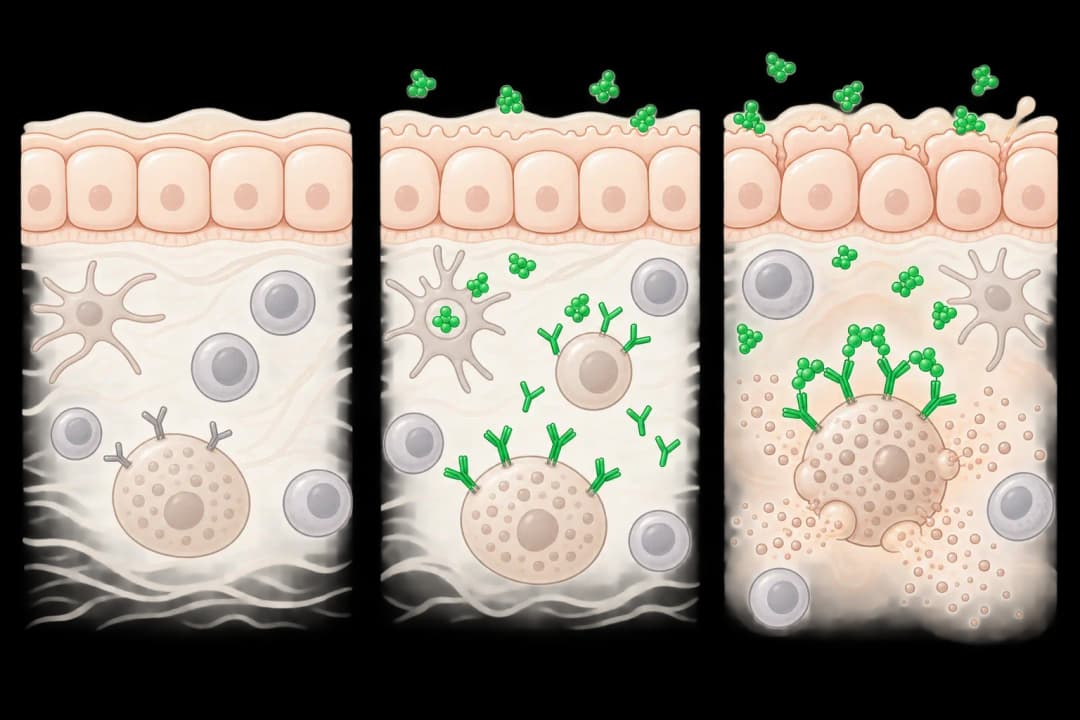
Latex is a natural rubber material that may be present in some vial stoppers, syringe components, gloves, adhesive products, or medical devices. Whether a product contains latex depends on its manufacturer and presentation, so a medicine name alone cannot answer the question. Tell every healthcare professional about your allergy before an injection, procedure, blood test, or hospital visit. A previous mild reaction can still be useful information, including what touched you and how quickly symptoms began.
Planning safer care
Ask a pharmacist or clinician to check the specific product and packaging, and request latex-safe equipment when treatment is planned. Keep your allergy details in your medical record and carry an alert card or other clear reminder if advised. Do not skip a necessary medicine or substitute another product without professional guidance. Allergy testing may help clarify whether symptoms came from latex, a medicine, or another material, particularly when the earlier reaction is uncertain.
When emergency help is needed
After possible latex exposure, call emergency services for trouble breathing, throat or tongue swelling, widespread hives, dizziness, faintness, vomiting with breathing symptoms, or rapidly worsening illness. These may be signs of anaphylaxis. Use your prescribed emergency treatment if you have one and follow your emergency action plan while help is coming.
Questions for your doctor
Ask which products and devices in your planned care may contain latex, how the allergy will be recorded, whether testing is useful, and what emergency treatment you should carry. Confirm whom to tell before attending a clinic or hospital.
Find care
General Clinics & Polyclinics in Abu Dhabi
That answer is general. If you want it applied to your own case, these are licensed general clinics & polyclinics listed in Abu Dhabi.
27 Ar Ruwwad St - Shakhbout City - MSH4 - Abu Dhabi - United Arab Emirates
Accepts: Daman, Thiqa, Cigna, MetLife +20 more
Al Ruwais, Al Dhafrah
Accepts: Daman, Thiqa, AXA, Cigna +16 more
Al Bahyah - Al Bahyah Old - Abu Dhabi - United Arab Emirates
Accepts: Daman, Thiqa, Cigna, Allianz Care +18 more
Abu Dhabi
Accepts: Daman, Thiqa, AXA, Cigna +27 more
Ordered by verification status and how complete each clinic's public record is, then alphabetically. This is a directory listing, not a ranking — Zavis does not rate or recommend providers.
A factual listing drawn from the DHA, DOH and MOHAP licence registers. It is not a referral, an endorsement, or advice that any of these providers is right for you.
Questions people ask
Must you avoid every medicine if you have latex allergy?
No. The product and its packaging need checking because the concern is usually latex exposure, not the active drug.
Can a pharmacist check whether a medicine is latex-free?
A pharmacist can check available product information and contact the manufacturer when the packaging details are unclear.
Related
Related reading
Keep reading
Medical disclaimer. This page is general health information, not medical advice, and it cannot diagnose you. Always consult a licensed healthcare provider about your own symptoms and treatment. In an emergency in the UAE, call 998 for an ambulance.